Ready to explore Poland? This article will guide you through an unforgettable journey across four of Poland’s most captivating destinations: Warsaw, Wrocław, Zakopane, and Kraków. I’ve crafted a 10-day itinerary that can be condensed into a week if needed. If you’re short on time, you might skip Zakopane or adjust the plan to suit your interests.
Join me as I dive into the details of these must-visit spots and share tips on how to make the most of your first trip to Poland. Whether you’re an urban explorer or a nature enthusiast, there’s something here for everyone!
Facts about Poland:
I bet these are some facts you didn’t know about Poland! Here are a few intriguing insights:
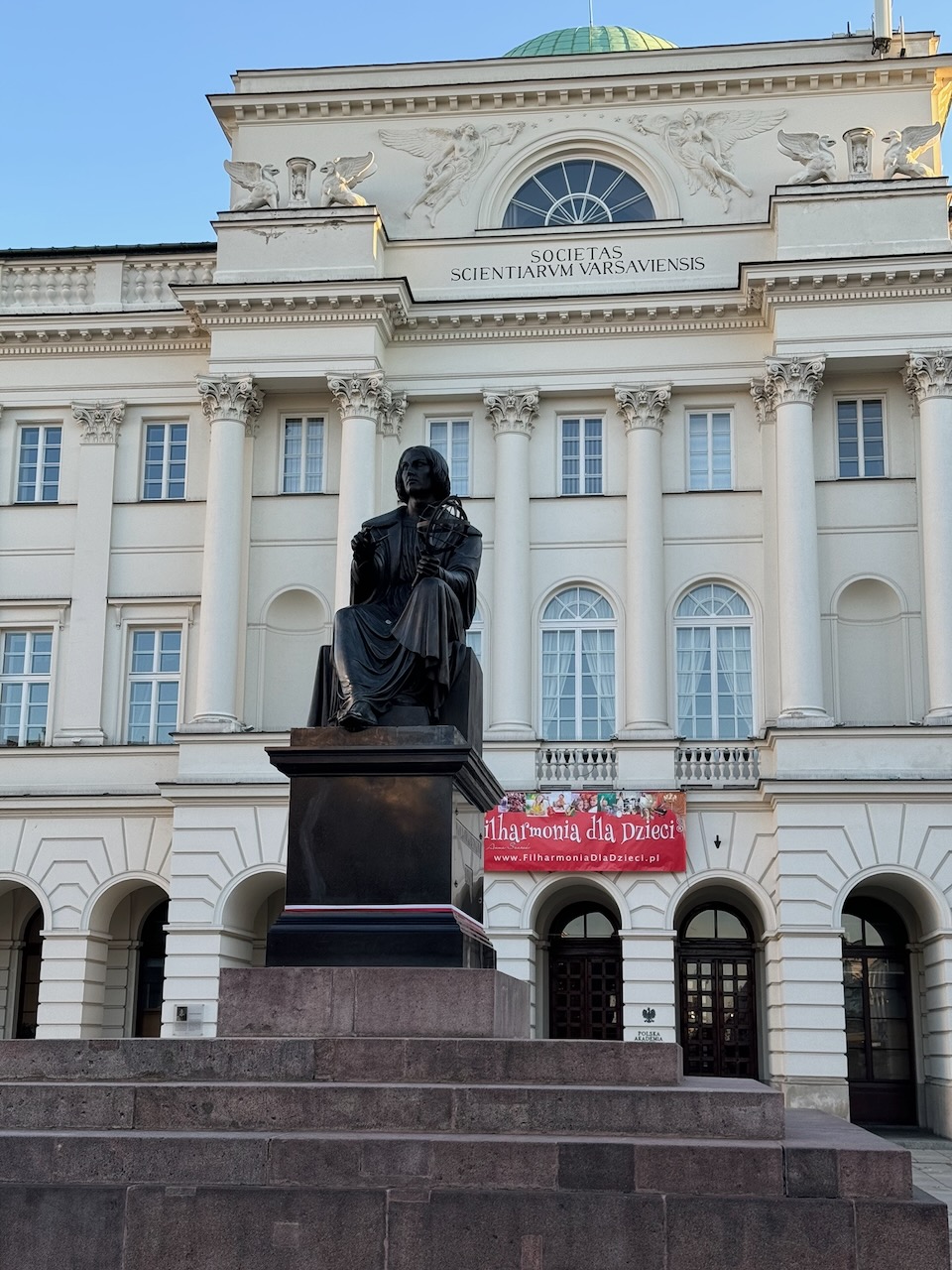
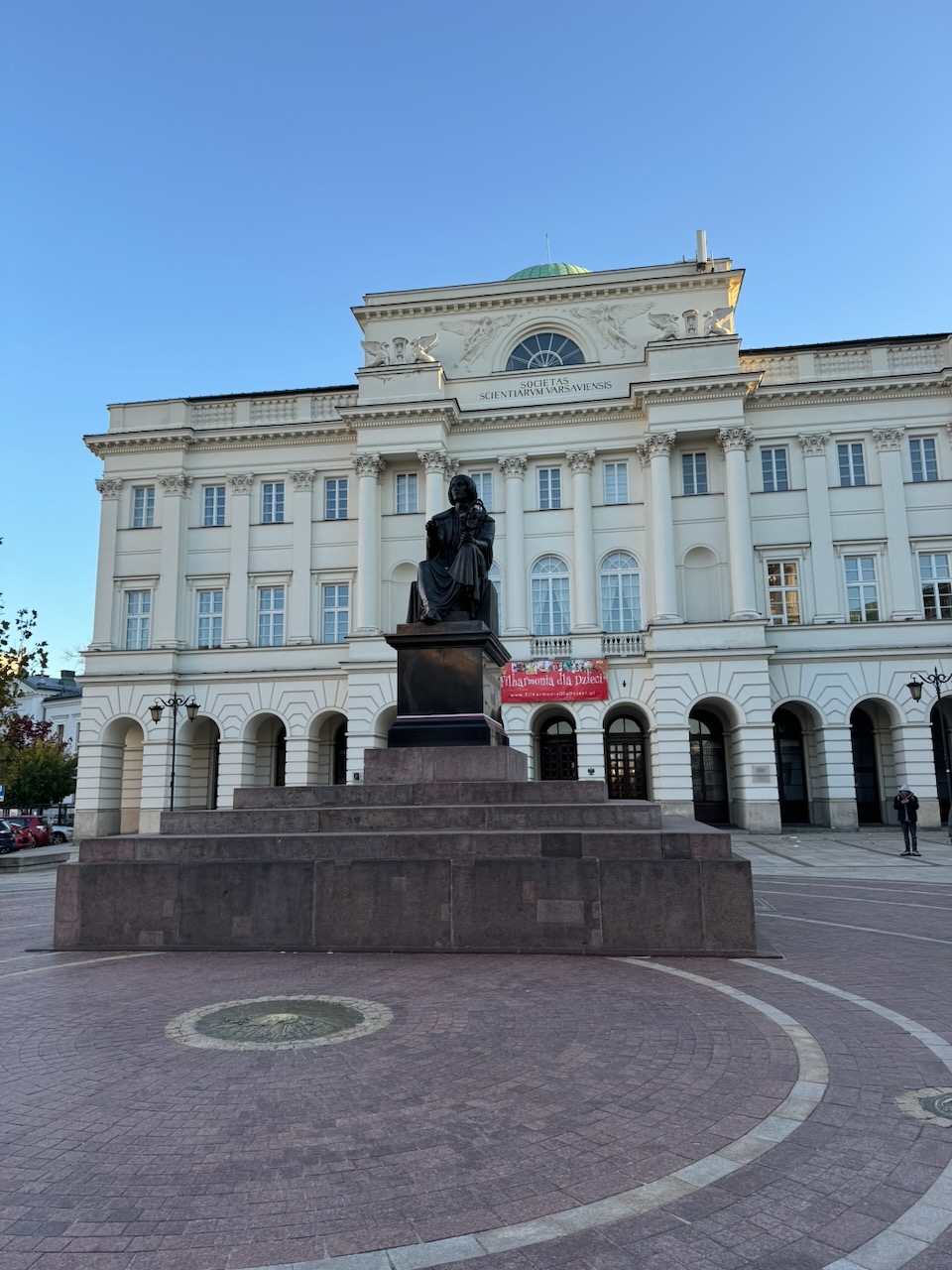
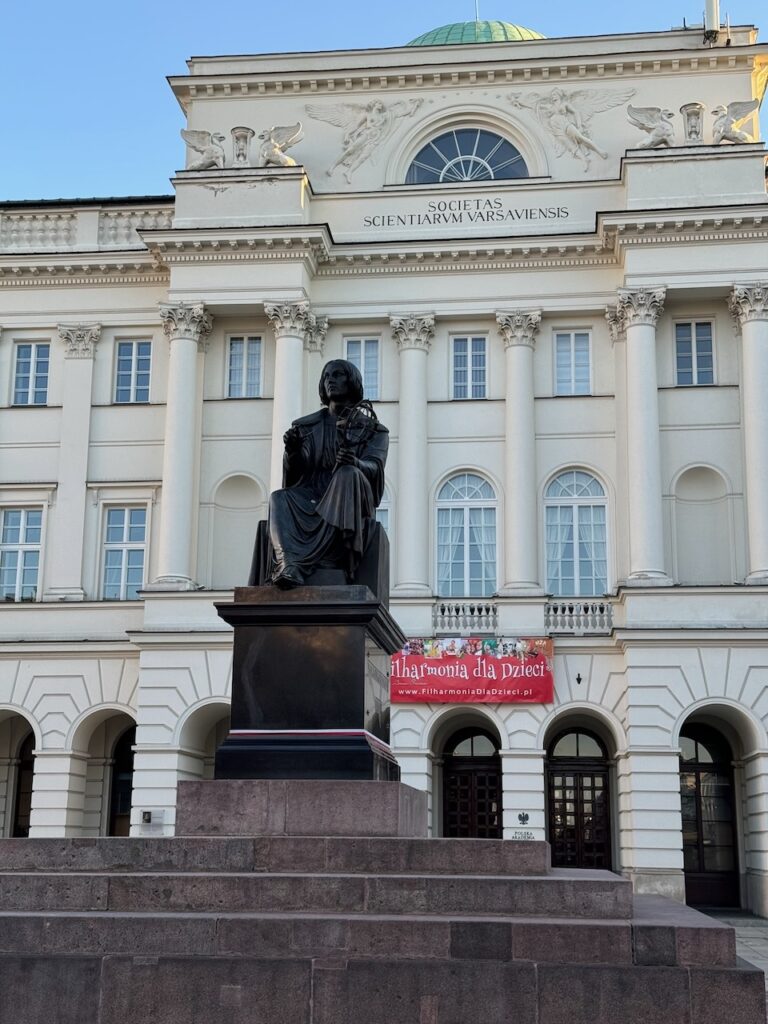
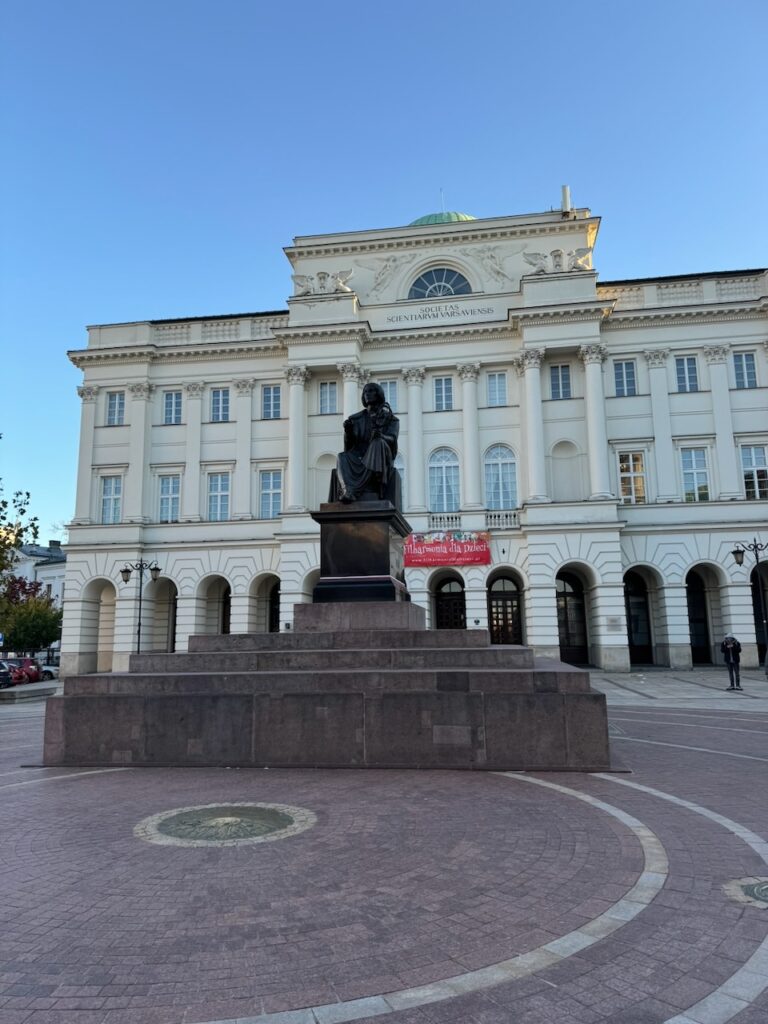
- The First Astronomer: Poland is the birthplace of Nicolaus Copernicus, the astronomer who revolutionized our understanding of the solar system by proposing that the Earth orbits the Sun. His groundbreaking work laid the foundation for modern astronomy.
- A Land of Castles: Poland boasts over 500 castles, with some of the most notable being Malbork Castle, the largest brick castle in the world, and the stunning Wawel Castle in Krakow.
- Auschwitz Concentration Camp: Poland has a significant and somber history regarding the Holocaust. The Auschwitz concentration camp, located near Krakow, was the largest Nazi concentration and extermination camp during World War II, serving as a painful reminder of the atrocities committed against the Jewish people and many others.
- Famous Poles: Poland is also the birthplace of two renowned figures: Frédéric Chopin, the famous composer and virtuoso pianist, and Marie Curie, the first woman to win a Nobel Prize and the only person to win in two different scientific fields (Physics and Chemistry).
10-Day Itinerary Overview
Here’s how you could plan your Poland itinerary if you’d like to visit for 10 days.
Day 1-2: Warsaw
- Day 1: Arrive in Warsaw. Spend the day exploring the Old Town, visiting the Royal Castle, and enjoying the Market Square. Have dinner at a local restaurant and stay overnight.
- Day 2: Visit Łazienki Park or other attractions in Warsaw (more details below). Enjoy another evening in the city, perhaps in the vibrant Praga district.
Day 3-4: Wrocław
- Day 3: Travel to Wrocław in the morning (about 3.5 hours by train). Spend the afternoon exploring the Market Square and Stare Jatki. Enjoy dinner at a local eatery and stay overnight.
- Day 4: Visit the University of Wrocław and Cathedral Island. In the evening, check out the Neon Quarter for music and drinks, or relax at local wine bars.
Day 5-7: Zakopane
- Day 5: Travel to Zakopane in the morning (about 3 hours by train or bus). Spend the day exploring Krupówki Street and trying local cuisine.
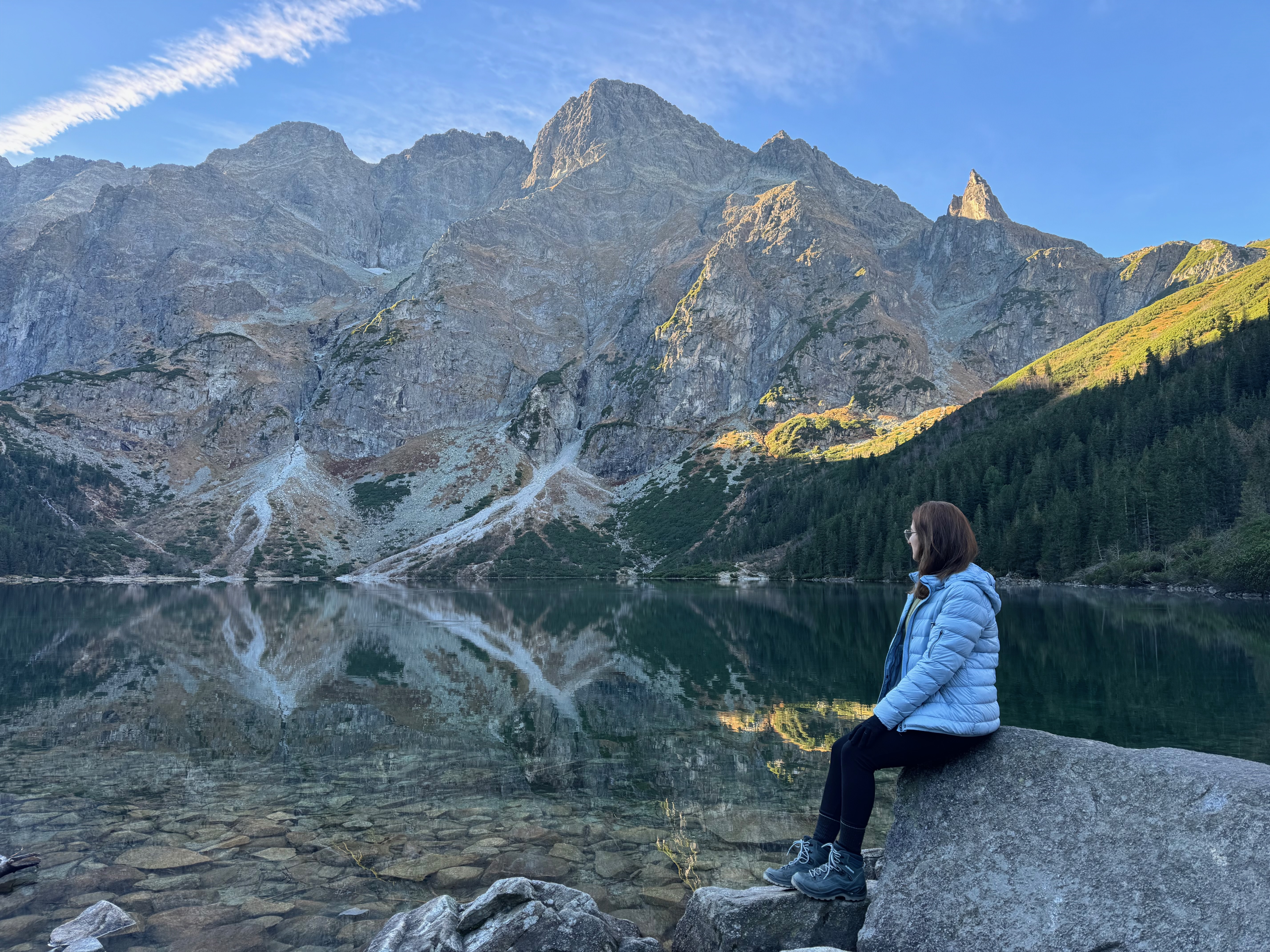
- Day 6: Hike to Morskie Oko or another trail to enjoy stunning mountain views.
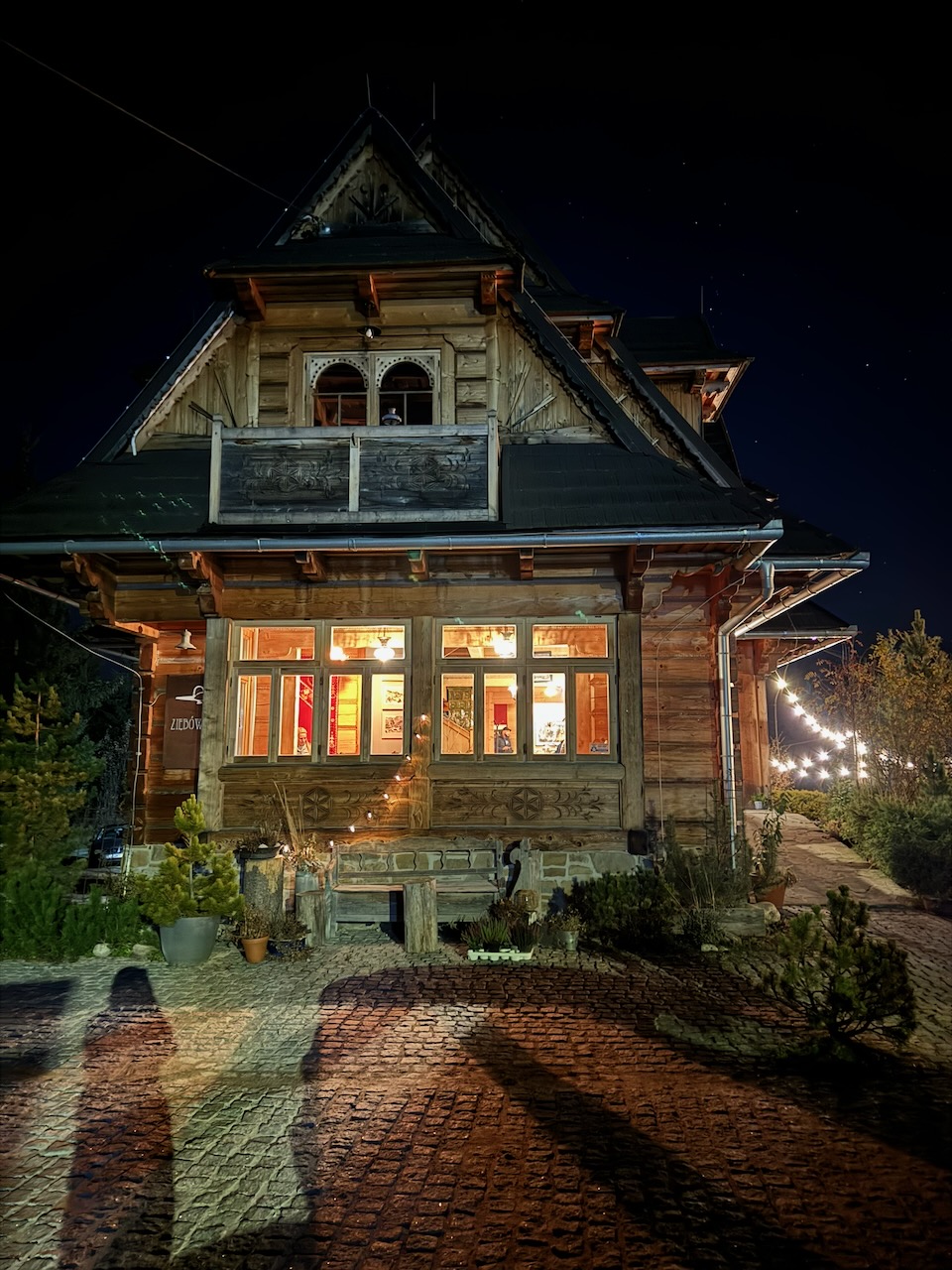
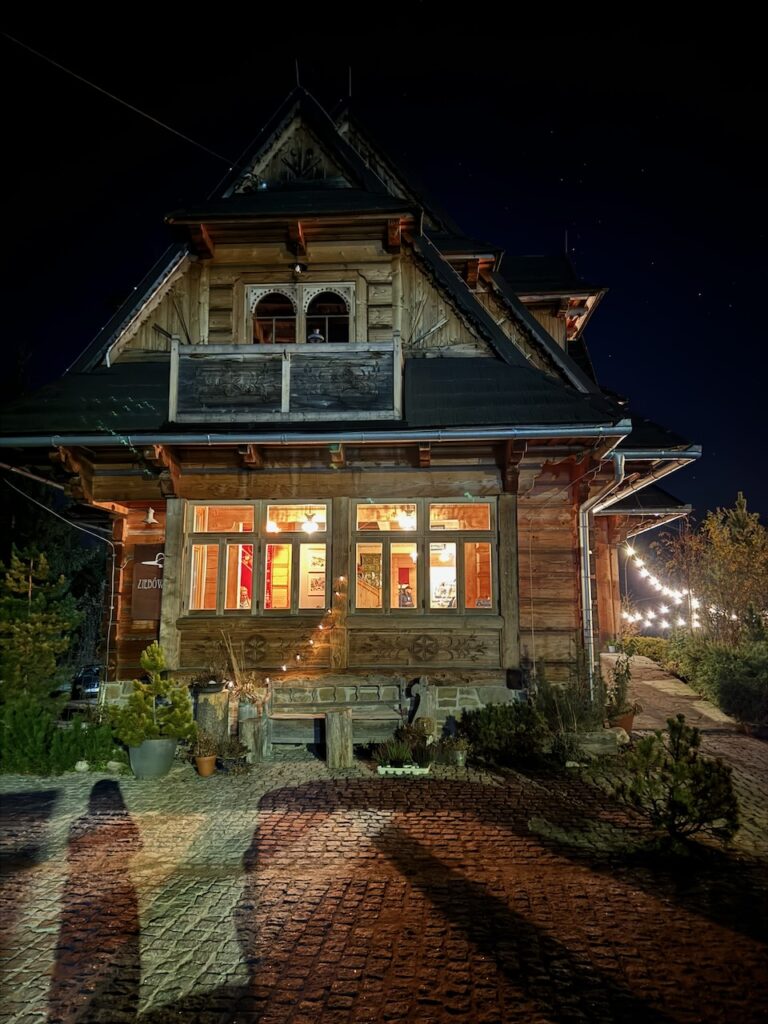
- Day 7: Choose either more hiking or relax in thermal baths. Explore Zakopane’s unique wooden architecture and soak in the local atmosphere.
Day 8-10: Kraków
- Day 8: Travel to Kraków in the morning. Spend the day visiting the Main Market Square, St. Mary’s Basilica, and the Cloth Hall. Enjoy dinner in the city center.
- Day 9: Take a day trip to Auschwitz-Birkenau Memorial and Museum for a profound historical experience. Return to Kraków for the night.
- Day 10: Explore the Kazimierz District and Wawel Castle. Enjoy a leisurely day discovering more of Kraków’s rich history and vibrant culture before departing.
And now, dive into the next section for an exciting deep dive into each destination, where you’ll discover must-visit eateries, hidden gems, and practical tips to make your journey through Poland truly unforgettable!
Day 1-2: Warsaw – The Resilient Capital
Getting to Warsaw
If you’re in Europe, reaching Warsaw is quite straightforward, whether by air or land. Warsaw is well-connected by flights from major European cities. For instance, you can fly from Berlin to Warsaw in just under 1.5 hours, or from London in about 2.5 hours. If you prefer traveling by train, you can reach Warsaw from Berlin in approximately 6 hours, from Prague in about 8 hours, and from Vienna in just under 8 hours. Buses are also an option, though they might take longer.
For those looking to combine their trip to Poland with visits to neighboring countries, Warsaw serves as a great starting point. You can easily travel to and from Germany, the Czech Republic, and Lithuania, making it convenient to explore multiple destinations in one trip.
Things to Do and See in Warsaw
Start your journey in Warsaw, the capital city that beautifully marries history and modernity. Warsaw’s resilience is reflected in its architecture, which features a mix of Gothic, Renaissance, and contemporary styles. The city was first mentioned in historical records in the 13th century and has since grown into a vibrant metropolis.
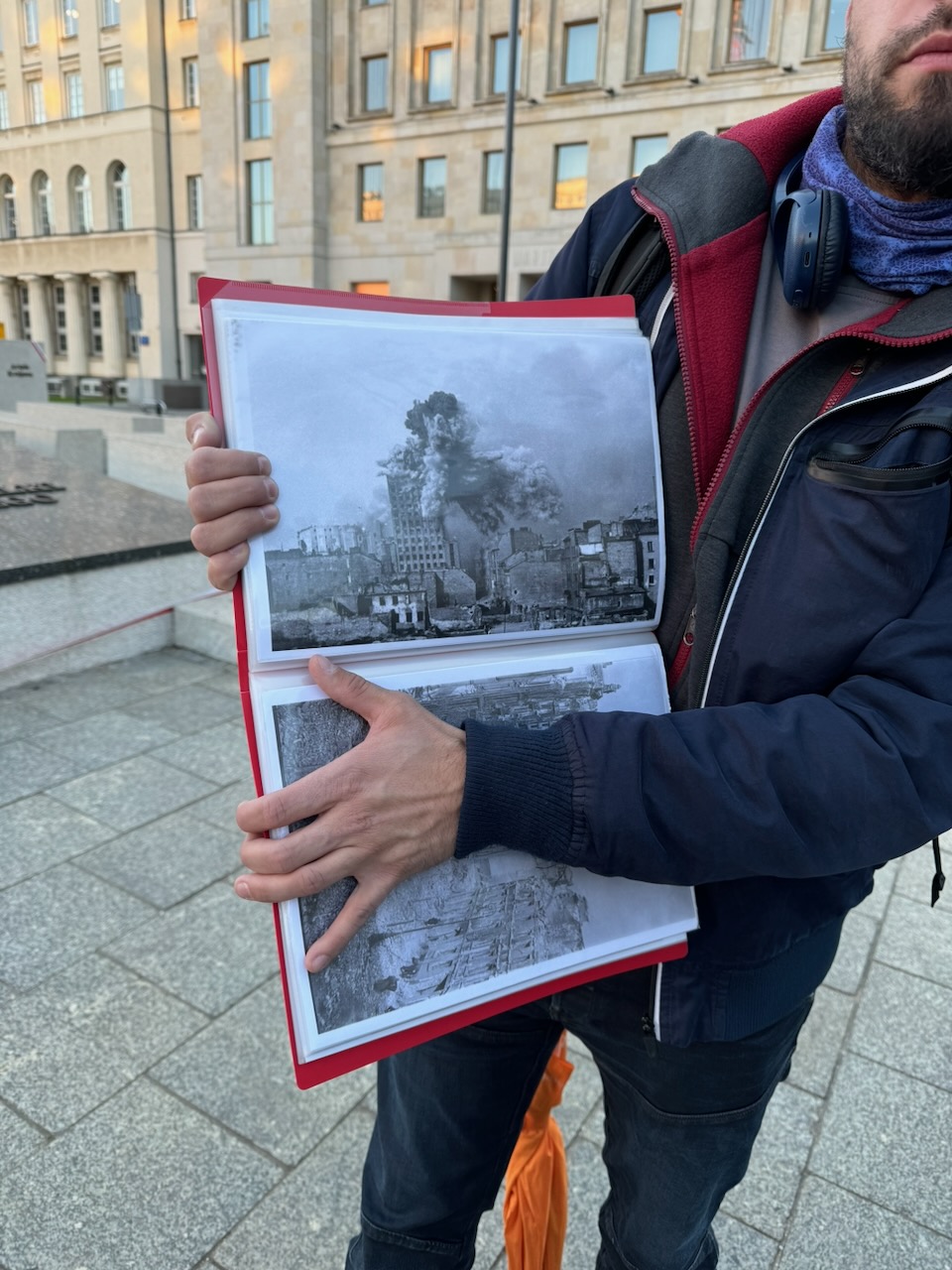
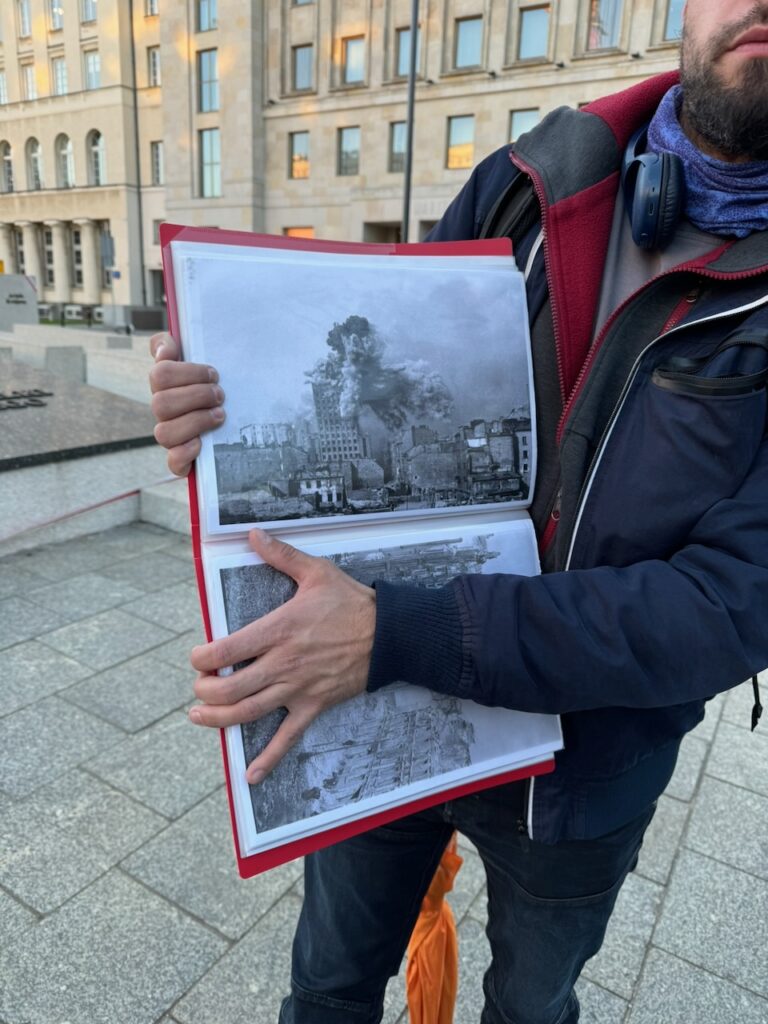
During World War II, Warsaw was almost entirely destroyed by the Nazis, who had plans to obliterate the city completely. However, the city was rebuilt from the ground up, becoming a symbol of Polish resilience and determination.
Old Town (Stare Miasto)
The Old Town of Warsaw, a UNESCO World Heritage site is so beautiful, it will make you forget you’re in a Slavic country, as it feels like a medieval European city. However, once you hear about its destruction and the scale of its reconstruction, you might lose interest for a moment. But when you hear the story of how it was rebuilt, it becomes such a special place. So here are the details of its incredible reconstruction:
The reconstruction of Warsaw’s Old Town is a remarkable story of resilience and determination. After World War II, the Old Town was left in ruins, with about 85% of its buildings destroyed during the war, particularly during the Warsaw Uprising in 1944. The devastation was immense, but the spirit of the Polish people was unbroken.
The decision to rebuild the Old Town was made almost immediately after the war ended. This wasn’t just about restoring buildings; it was about preserving the cultural and historical identity of Warsaw. The reconstruction effort was led by a team of dedicated architects, historians, and conservators who meticulously studied old photographs, paintings, and architectural plans to ensure the new buildings would be as faithful to the originals as possible.
One of the key figures in this effort was Jan Zachwatowicz, an architect and conservation officer who played a crucial role in the reconstruction process. Under his guidance, the team used a combination of traditional techniques and modern technology to rebuild the Old Town. They even incorporated bricks and materials from other historic buildings across Poland to maintain authenticity.
To reach the Old Town, you can take tram lines 4, 13, 18, 20, 23, or 26, or bus lines 116, 178, or 180. The stop you need is Stare Miasto. Once you arrive, you’ll probably start walking around, checking out the charming streets that transport you to medieval times.
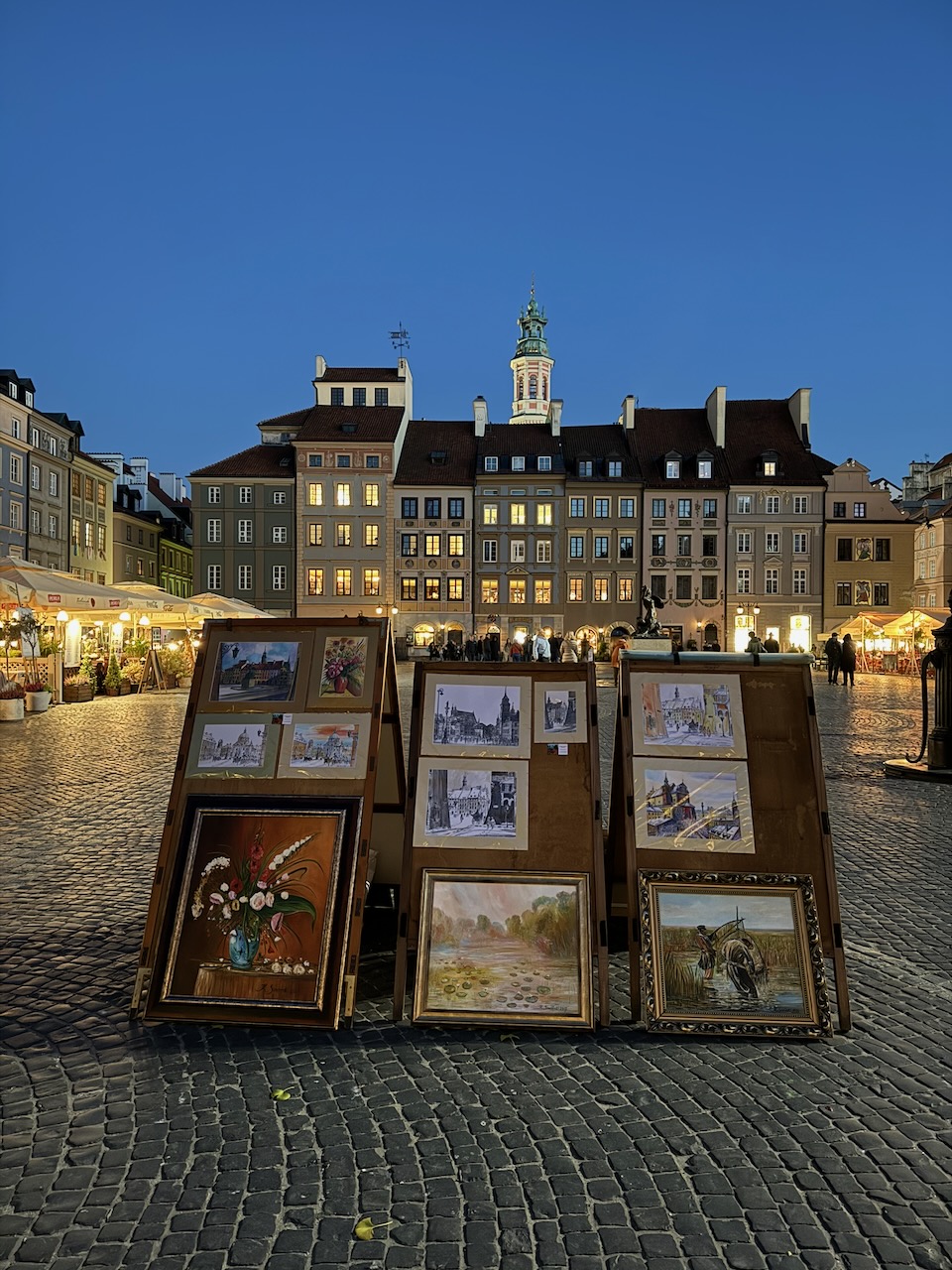
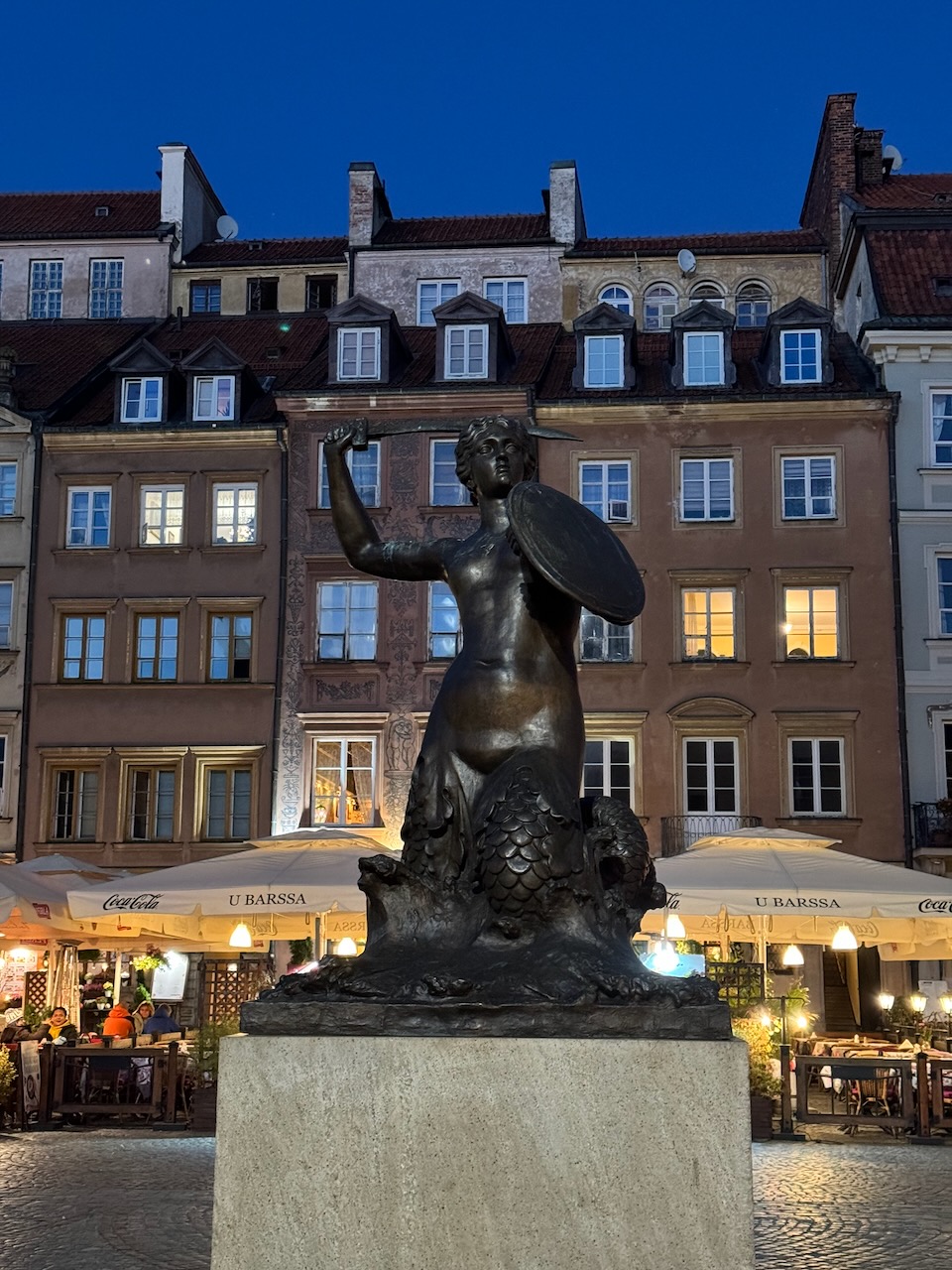
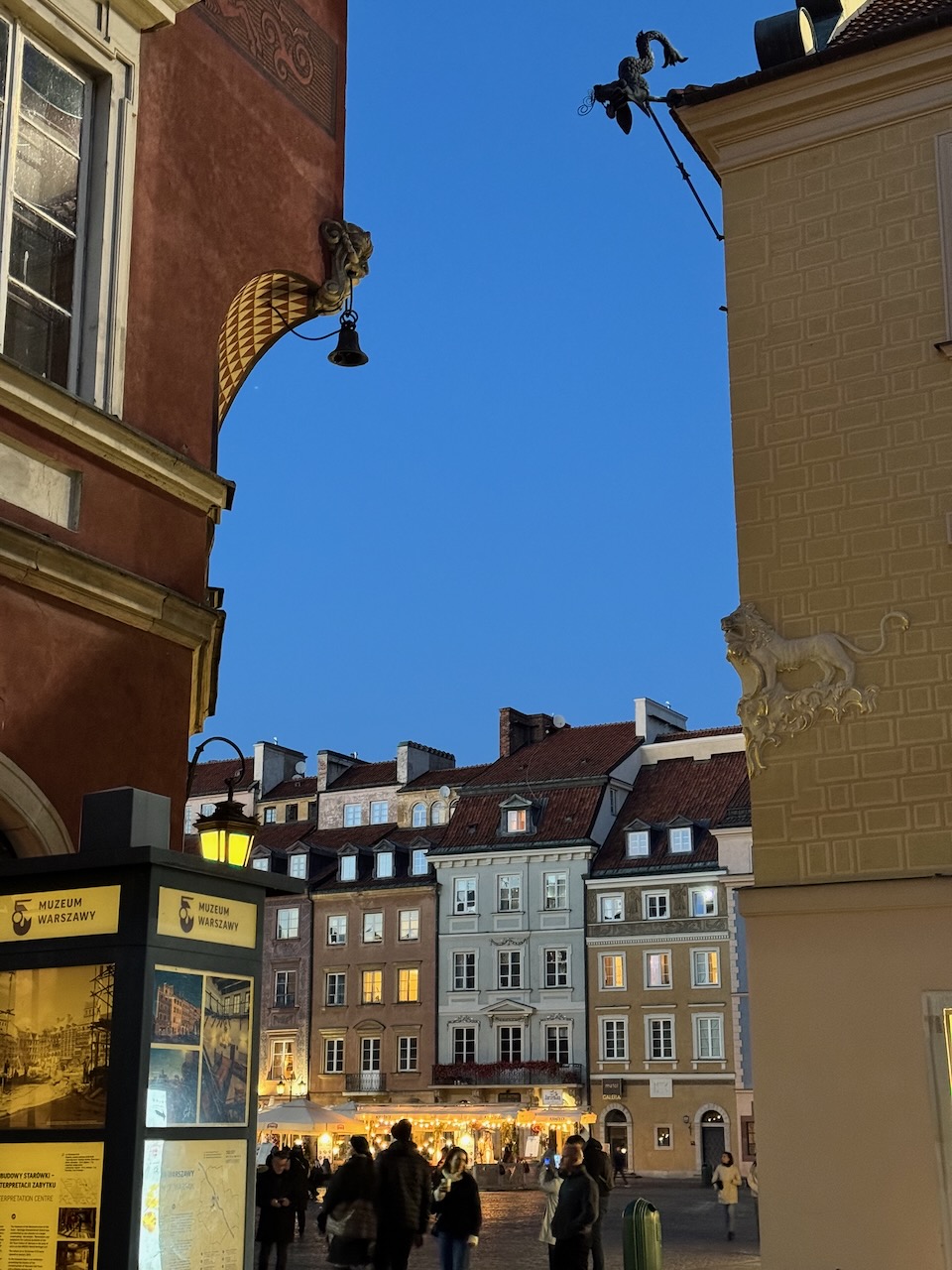
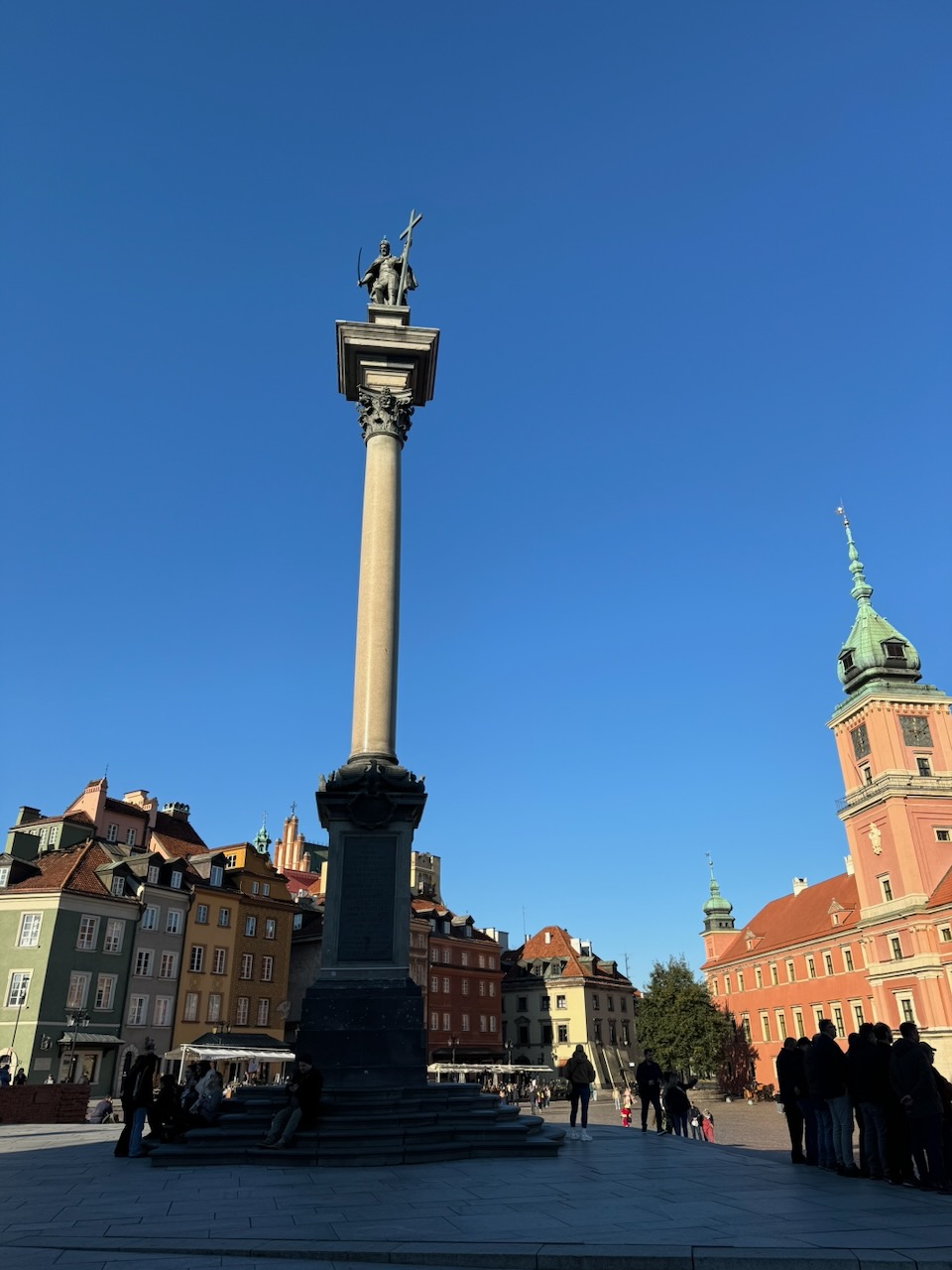
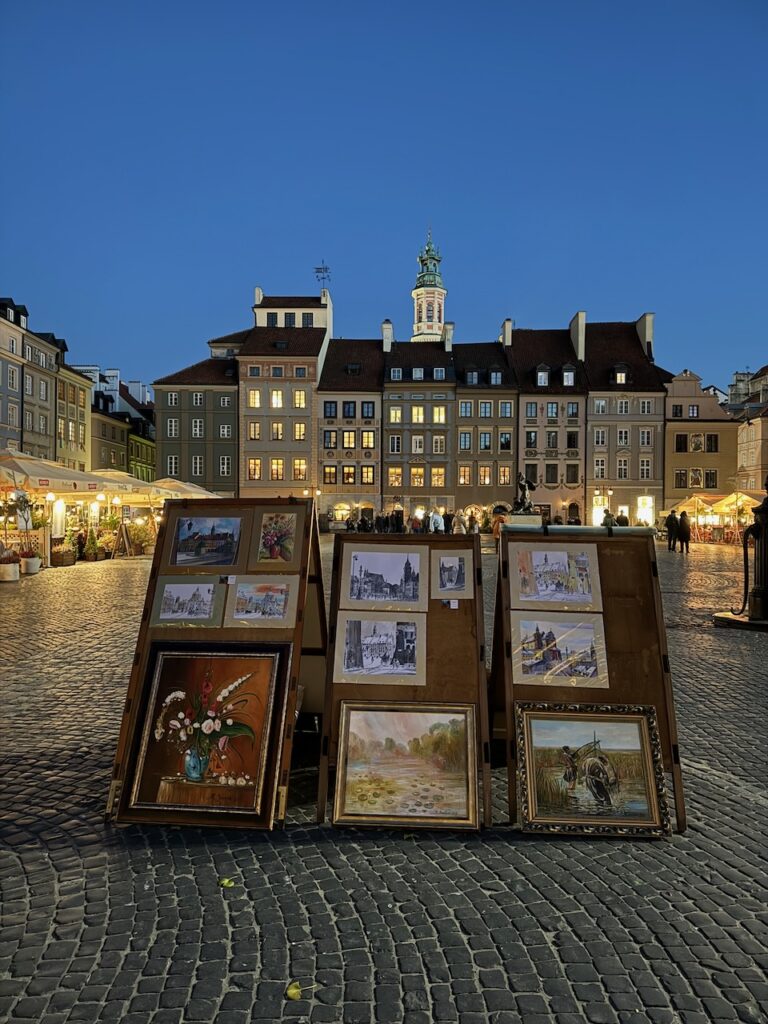
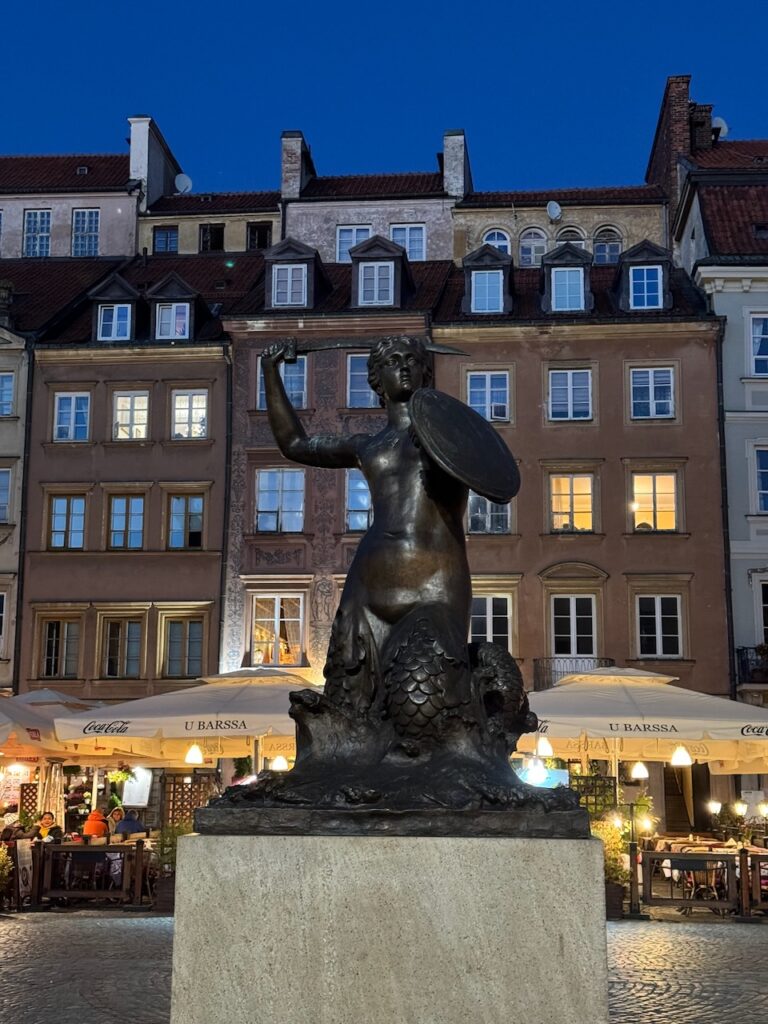
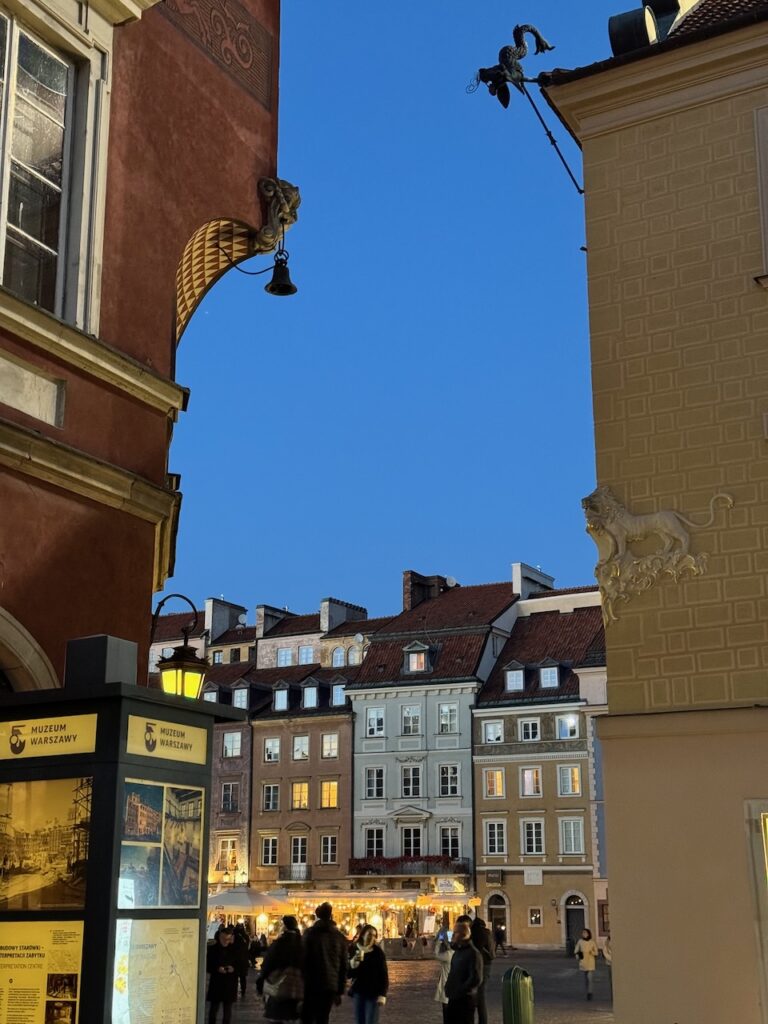
You’ll soon find yourself at the Market Square, the vibrant heart of the Old Town. Meticulously reconstructed between 1948 and 1953, the square is a must-see for any visitor. Here, you can relax at a café, enjoy local cuisine, and admire the Mermaid Statue, a symbol of Warsaw’s enduring spirit. The square is also home to the Museum of Warsaw, which offers fascinating insights into the city’s history.
Next, visit the St. John’s Archcathedral, the oldest church in Warsaw, dating back to the 14th century. This Gothic masterpiece served as a coronation and burial site for numerous Dukes of Masovia and has been meticulously restored after being devastated during World War II.
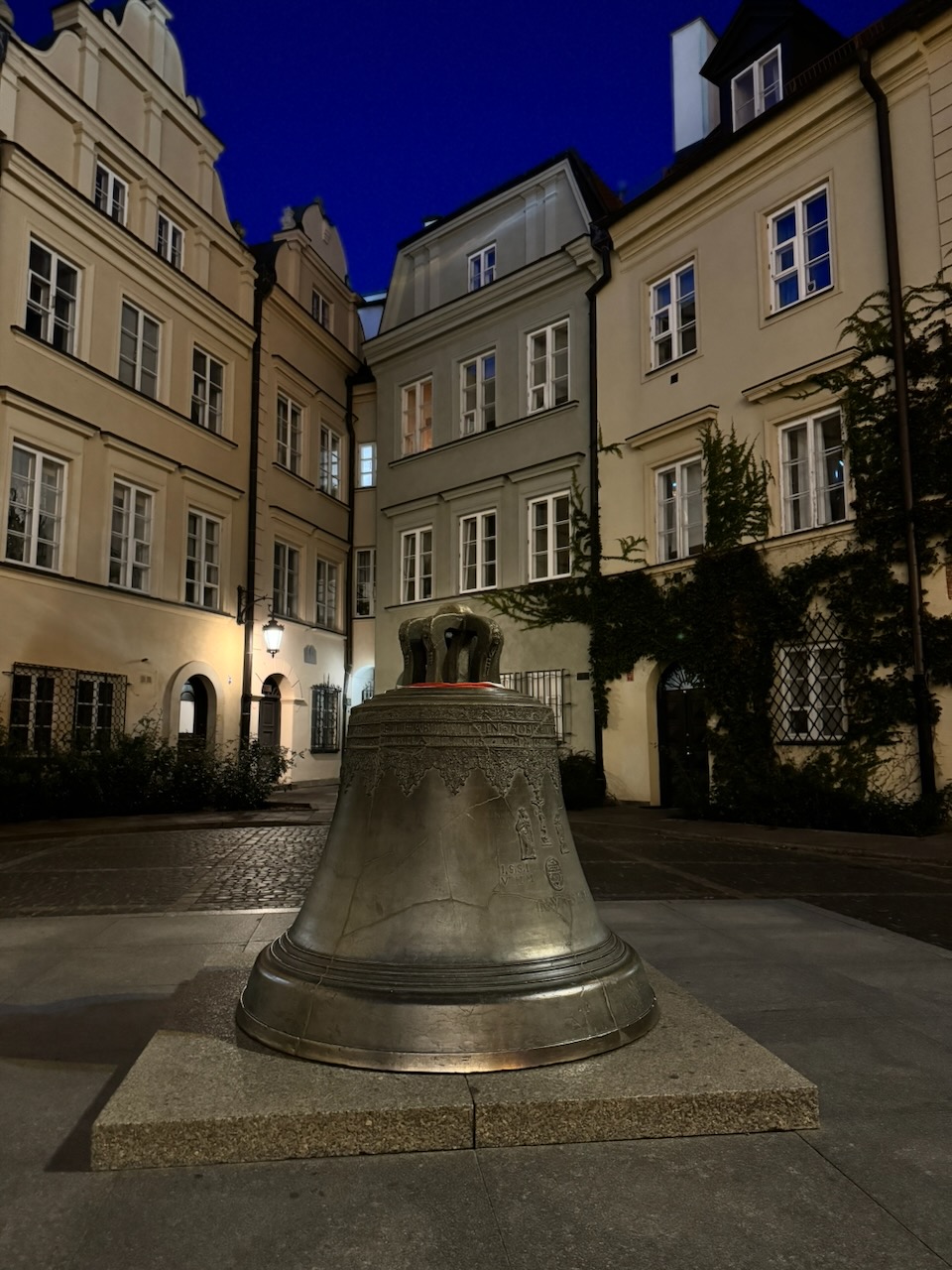
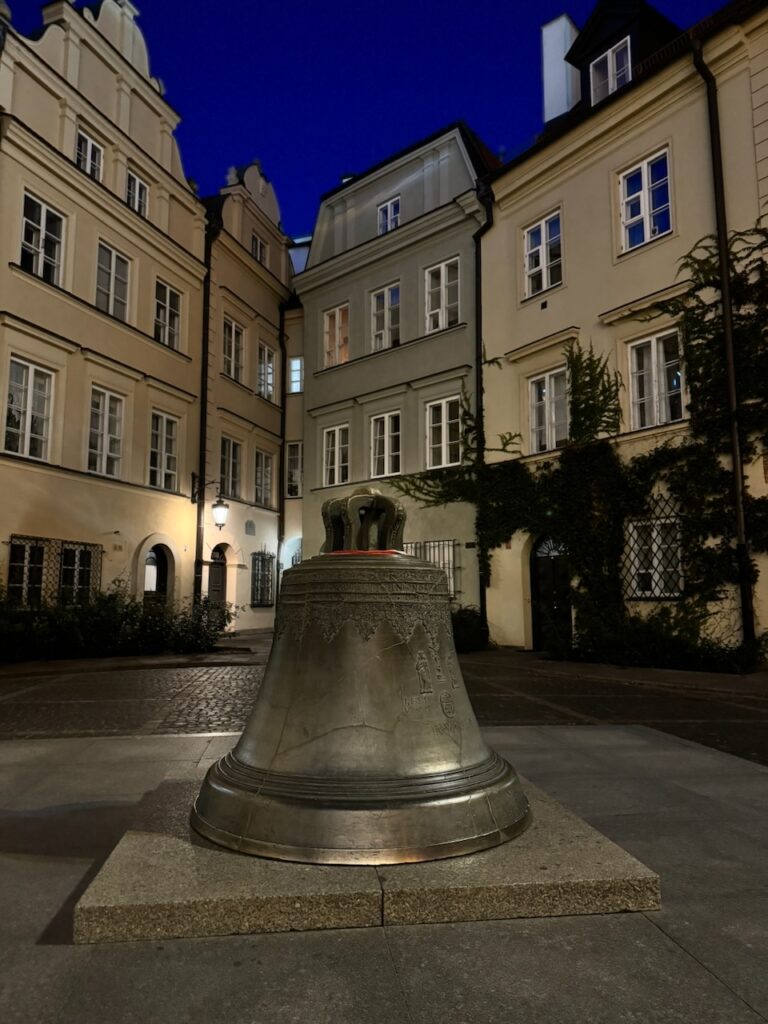
Behind the cathedral, you’ll find the Wishing Bell. This old bell is steeped in legend and is said to grant wishes. Visitors often walk around the bell while touching it, hoping their wishes will come true.
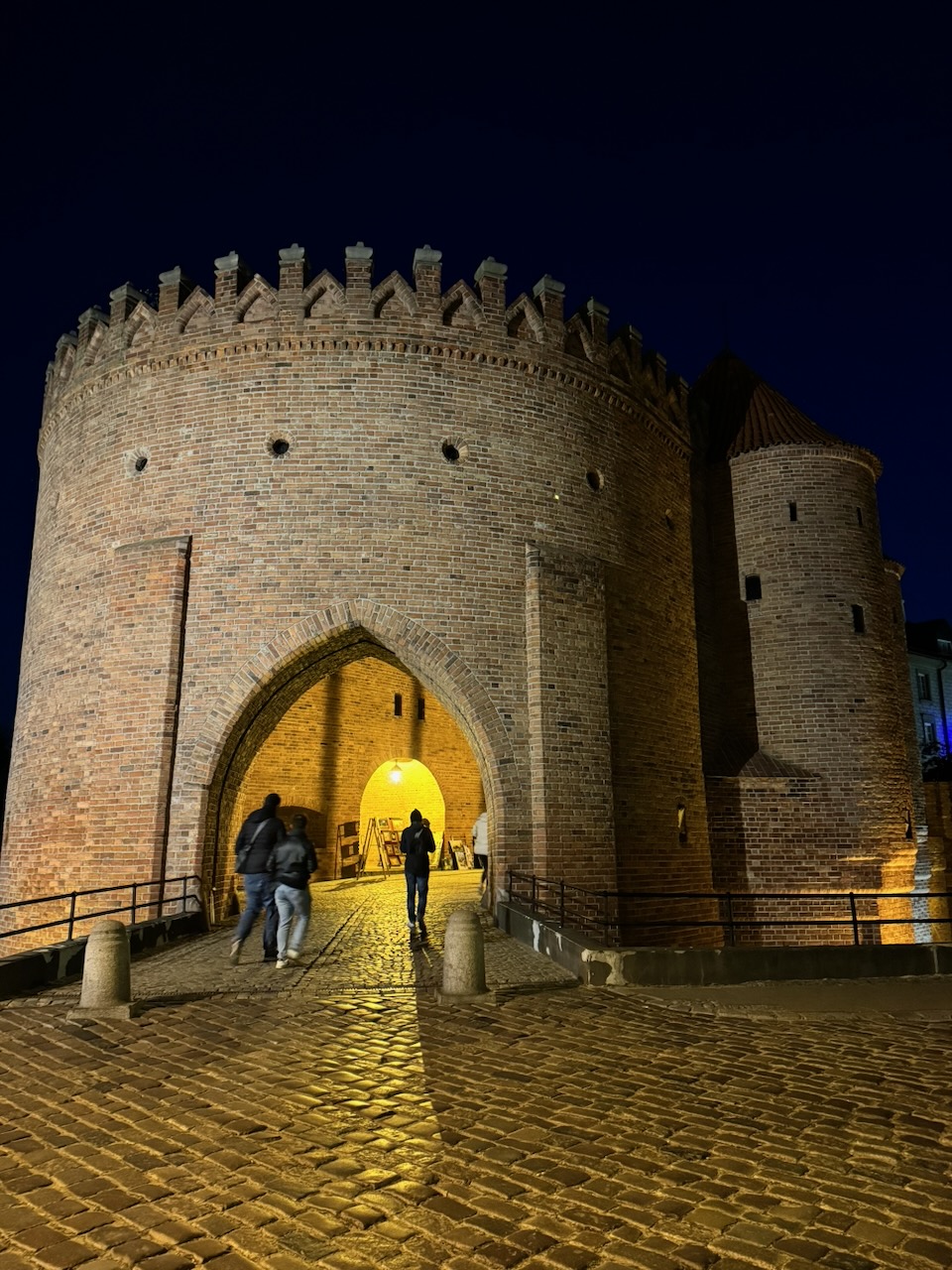
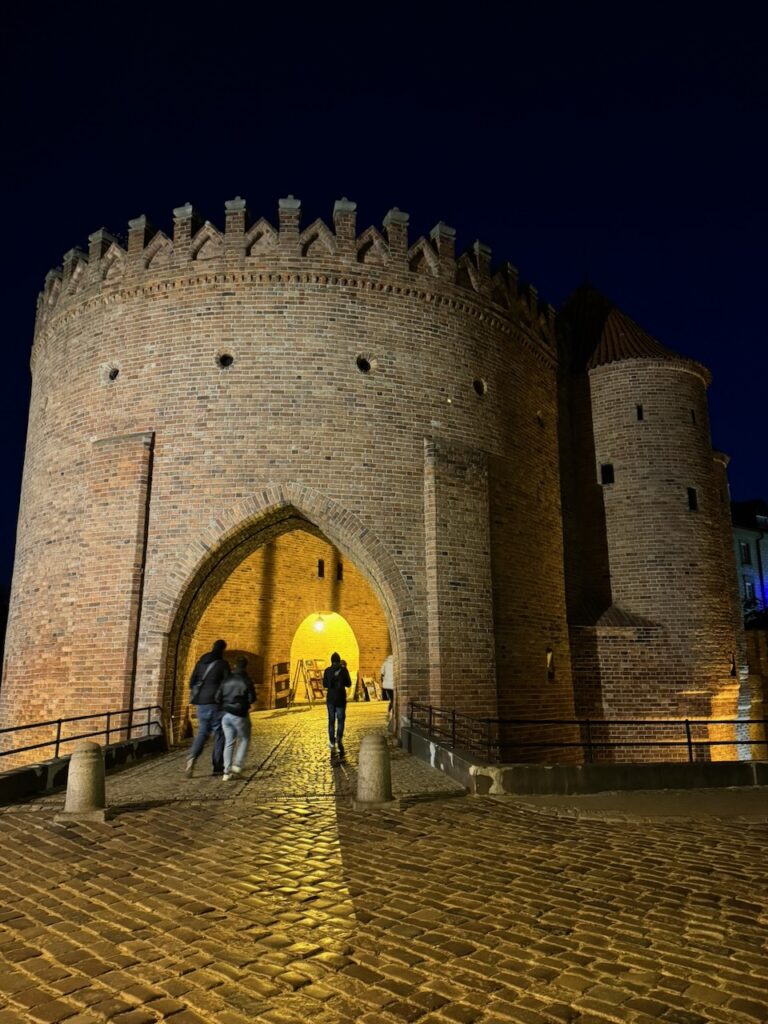
Don’t miss the Barbican, an ancient fortification that once protected the city. Built in 1540, this semicircular bastion was designed by Jan Baptist the Venetian8. Walking through its historic walls, you can almost feel the echoes of the past. The Barbican was meticulously rebuilt after the war, using bricks from historic buildings in other Polish cities8. In the evening, the Barbican is beautifully lit, creating a magical atmosphere.
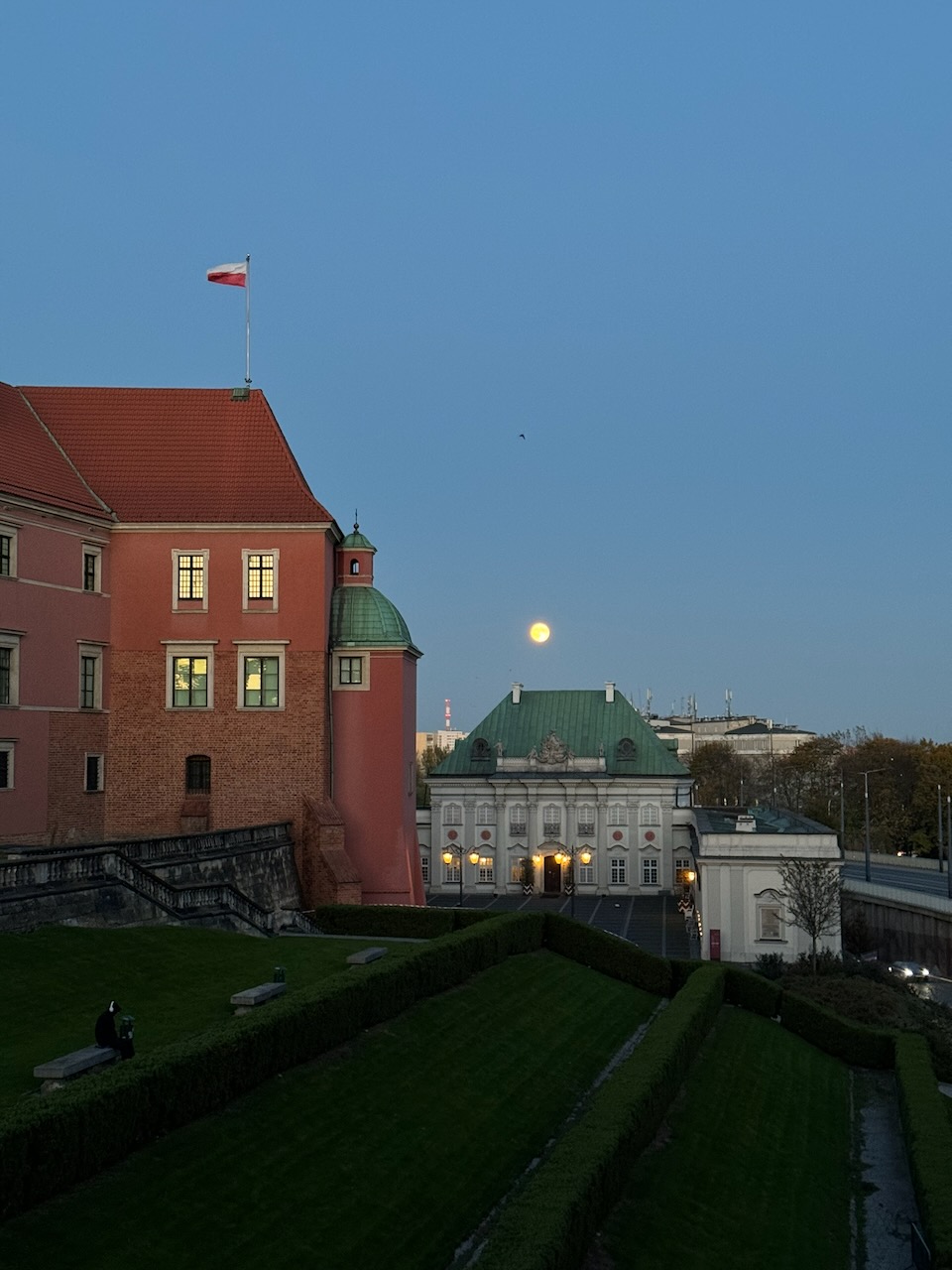
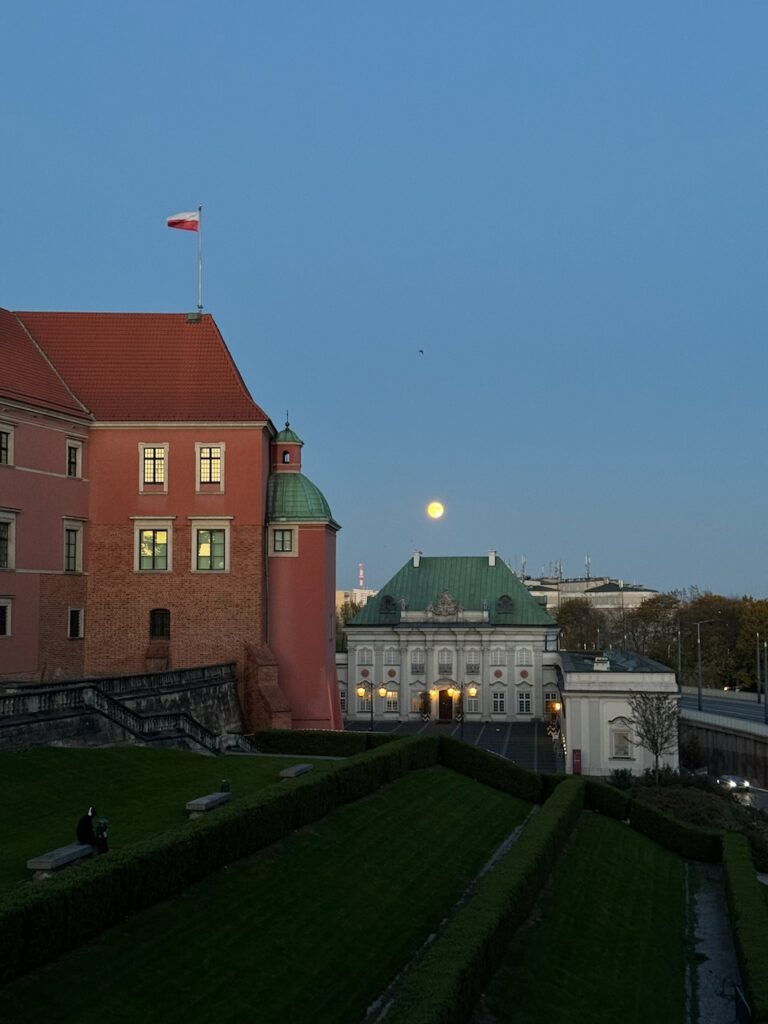
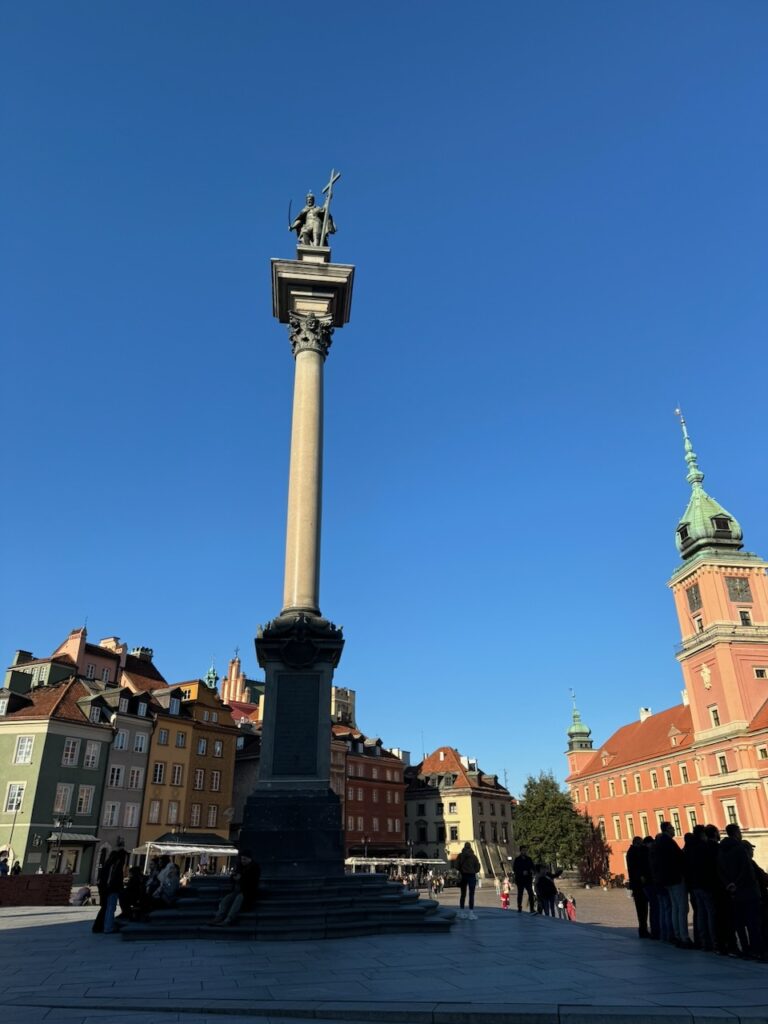
Finally, visit the Royal Castle, a stunning reconstruction of the original that was destroyed during World War II. Built in the late 16th century, it served as the official royal residence of several Polish monarchs9. The castle’s architecture is a blend of Mannerist and Baroque styles. Inside, you’ll find beautifully restored rooms and impressive artworks that offer a glimpse into the lives of Polish royalty9. The castle was meticulously rebuilt between 1971 and 1984.
Palace of Culture and Science
The Palace of Culture and Science in Warsaw is an iconic landmark that towers over the city at 237 meters tall. Completed in 1955, this impressive structure was a “gift” from the Soviet Union to Poland, designed by Soviet-Russian architect Lev Rudnev. Its architectural style blends Polish historical elements with American Art Deco, reminiscent of the skyscrapers in Moscow.
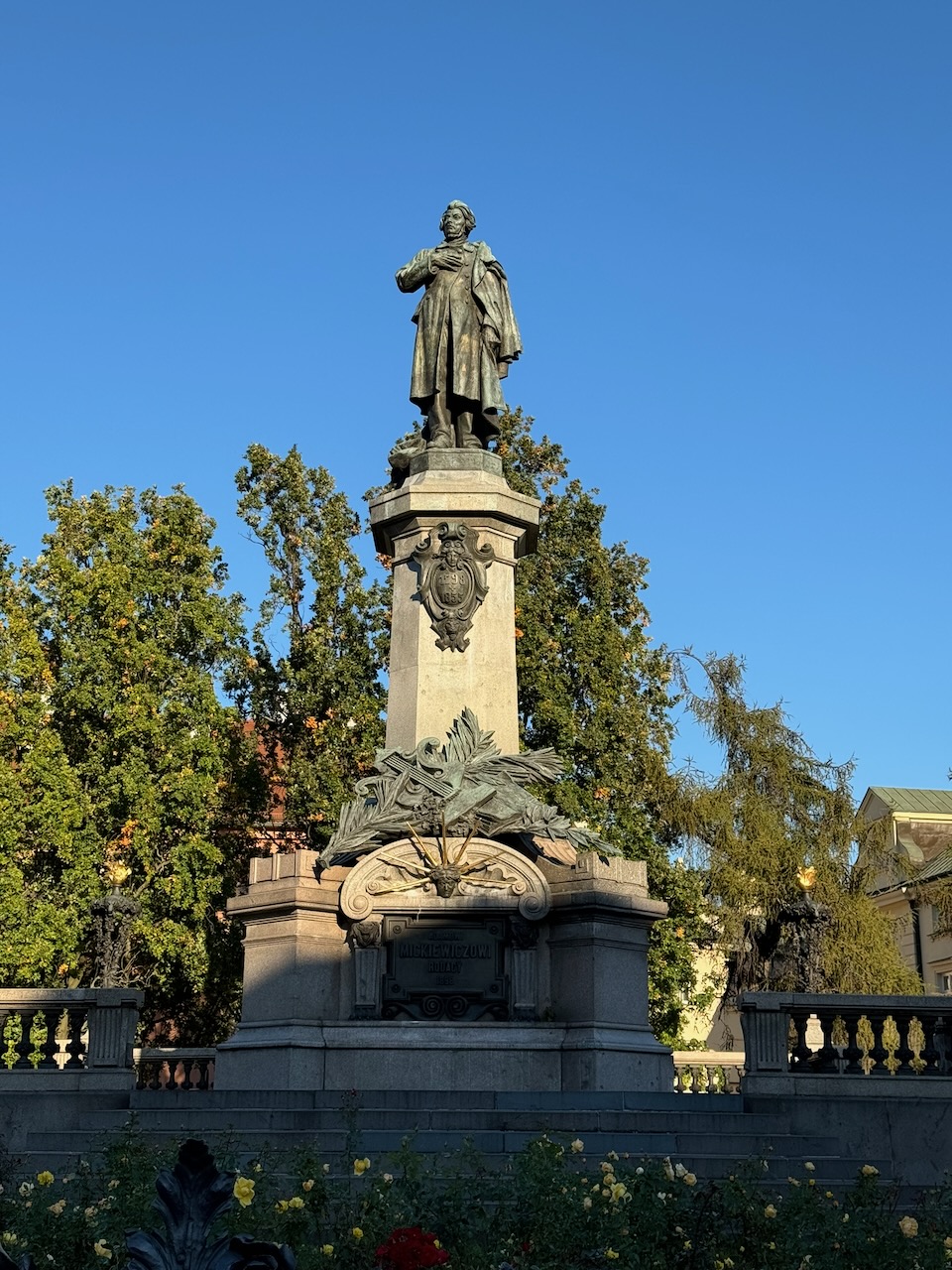
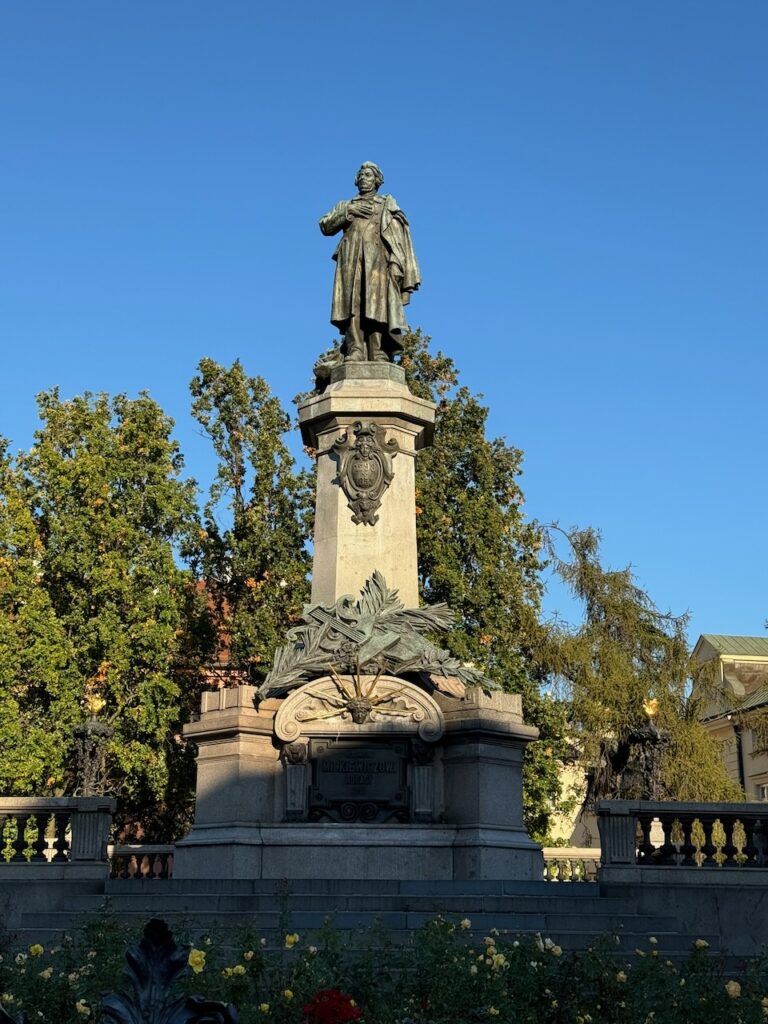
The Palace is home to a variety of cultural and public institutions, including theatres, cinemas, libraries, and the Polish Academy of Sciences. Surrounding the building are sculptures of notable figures like Nicolaus Copernicus and Adam Mickiewicz, adding to its cultural significance.
One of the main attractions is the observation deck on the 30th floor, offering stunning panoramic views of Warsaw. It’s a popular spot for both tourists and locals, providing a unique perspective of the city.
Despite its grandeur, the Palace has been a subject of controversy. While some view it as an iconic symbol of the city and a testament to its resilience, others see it as a reminder of Soviet dominance and oppression. The Palace’s history as a “gift” from the Soviet Union during a time of significant political tension leaves a bitter taste for some. Its construction involved the demolition of many serviceable buildings in a city already in desperate need of housing after World War II. This association with Stalinist architecture and Soviet influence has led to ongoing debates about its place in modern Warsaw.
Despite these controversies, the Palace of Culture and Science has become an integral part of Warsaw’s identity. It stands as a complex symbol, representing both the city’s historical struggles and its cultural achievements.

Other Attractions in Warsaw
Beyond the well-known landmarks, Warsaw has many attractions to explore.
One must-visit spot is Łazienki Park, the largest park in the city, featuring the stunning Palace on the Isle, beautiful gardens, peacocks, and free Chopin concerts during the summer.
For history enthusiasts, the Warsaw Uprising Museum offers a powerful look at the 1944 uprising through interactive exhibits and personal stories.
Another gem is the University of Warsaw Library Gardens, one of Europe’s largest rooftop gardens, providing a peaceful retreat with stunning city views and unique vegetation.
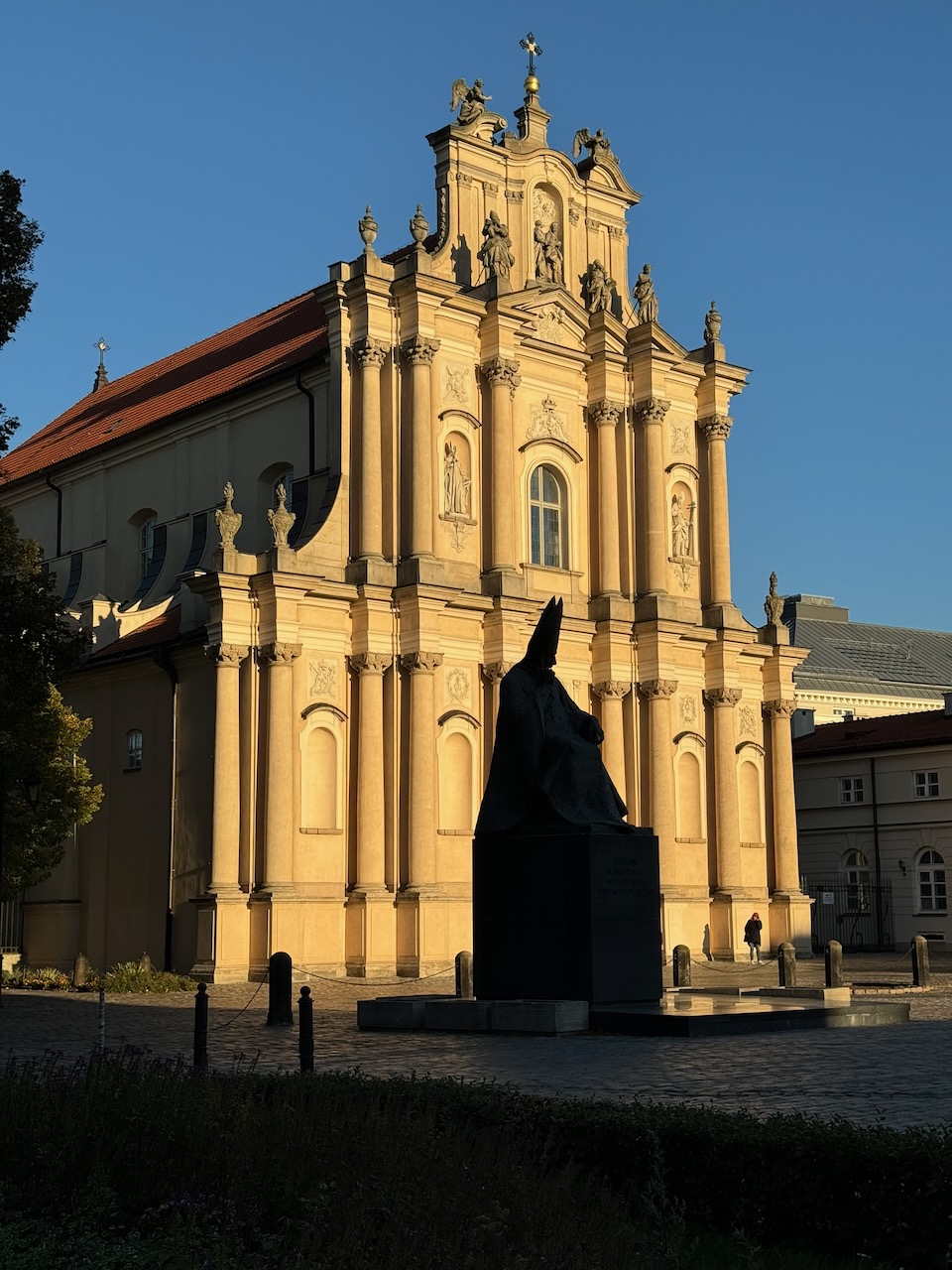
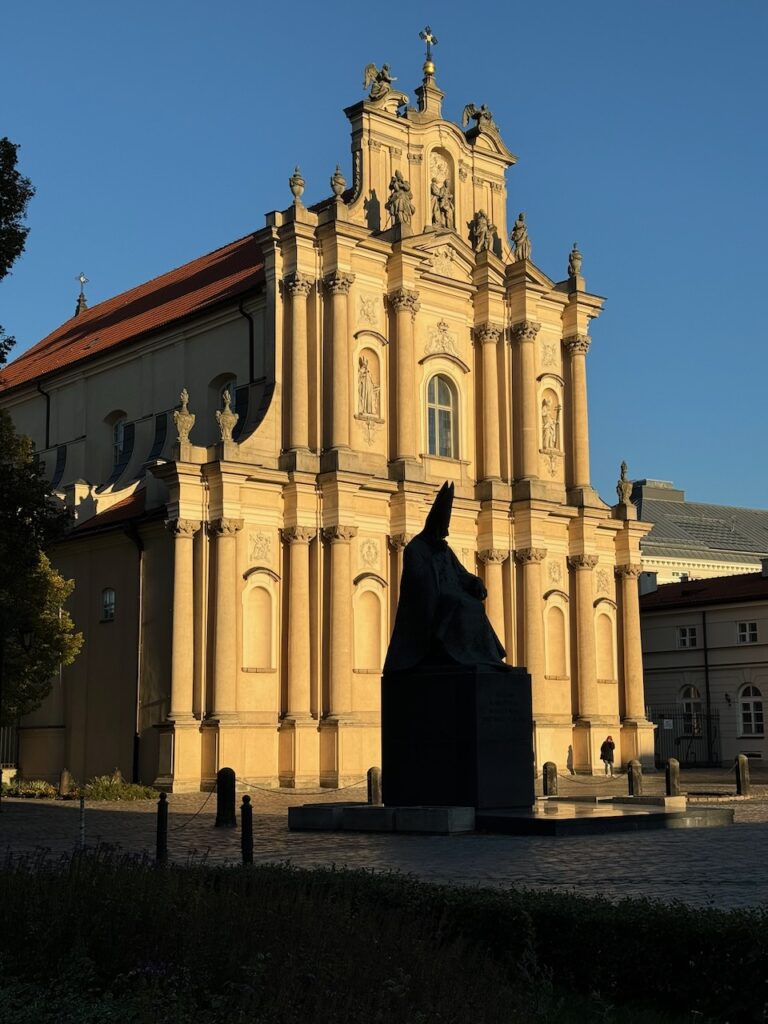
While in Warsaw, don’t miss the Holy Cross Church on Krakowskie Przedmieście. This Baroque masterpiece houses the heart of composer Frédéric Chopin, a poignant tribute to his legacy. The inscription marks a touching connection to his homeland, making it a must-see for visitors.
Consider taking guided tours to delve into Warsaw’s rich history, including the Historic Centre and Jewish Warsaw, led by knowledgeable guides.
Where to eat in Warsaw?
Bar Mleczny (Milk Bar)
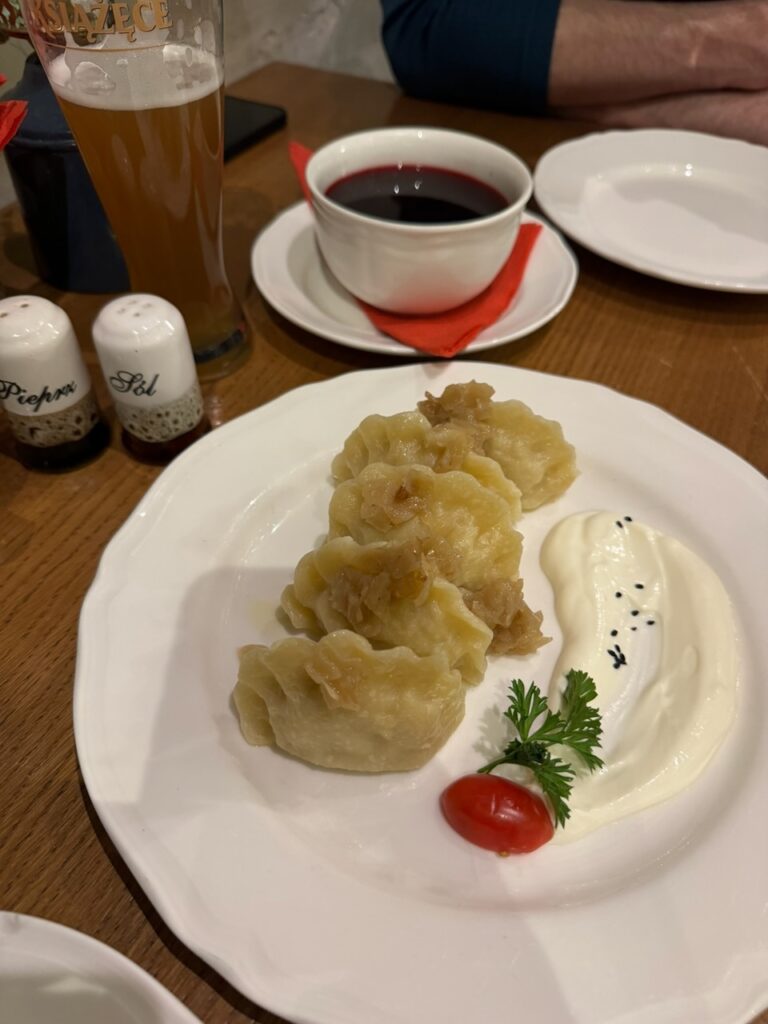
A Bar Mleczny, or Milk Bar, is a type of cafeteria that originated during the Communist era in Poland. These establishments offer traditional Polish dishes at very affordable prices, making them popular with both locals and tourists. The atmosphere is simple and unpretentious, reminiscent of a bygone era. You can enjoy hearty meals like pierogi (dumplings), bigos (hunter’s stew), and placki ziemniaczane (potato pancakes) without breaking the bank.
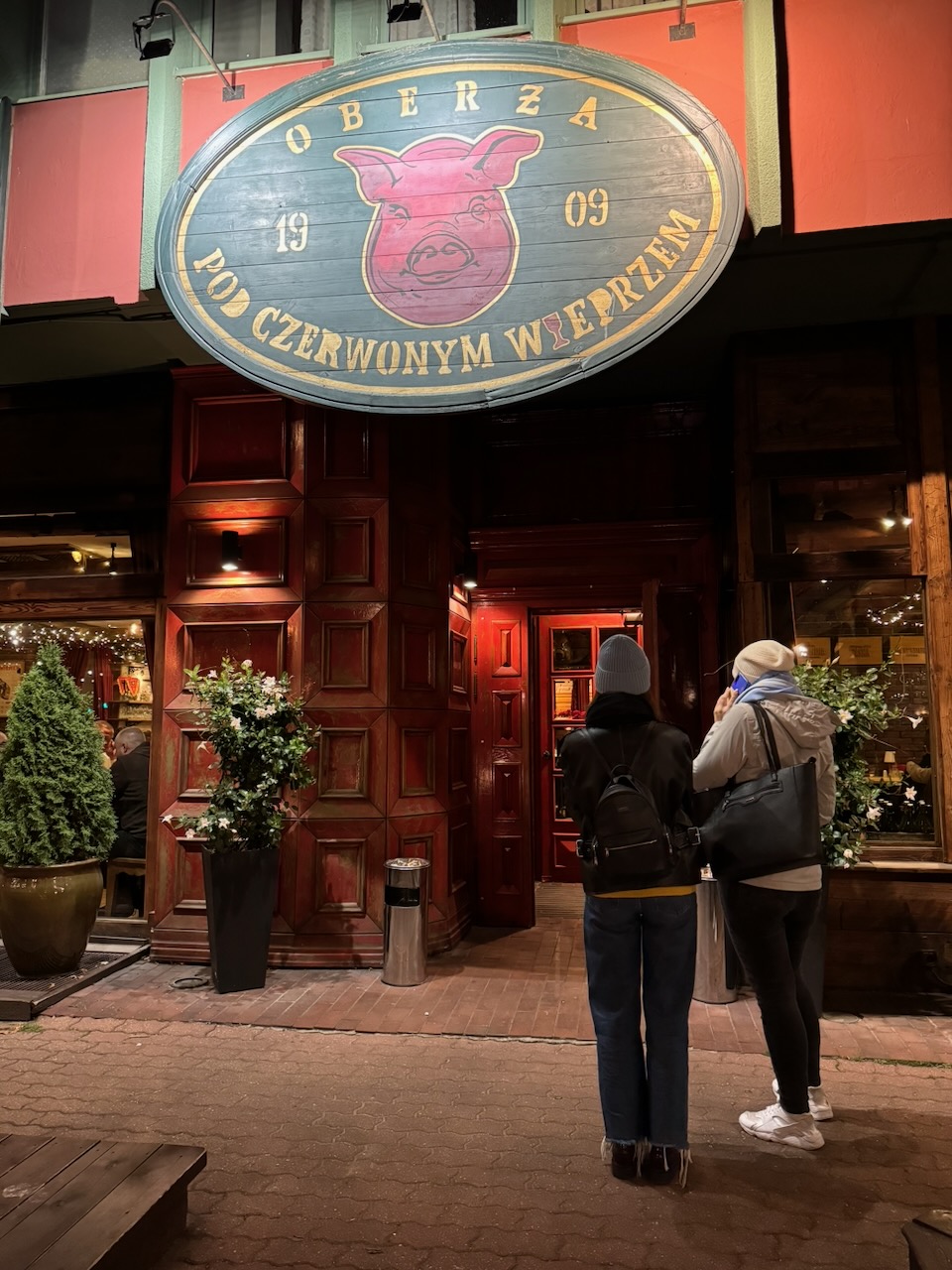
Czerwony Wieprz
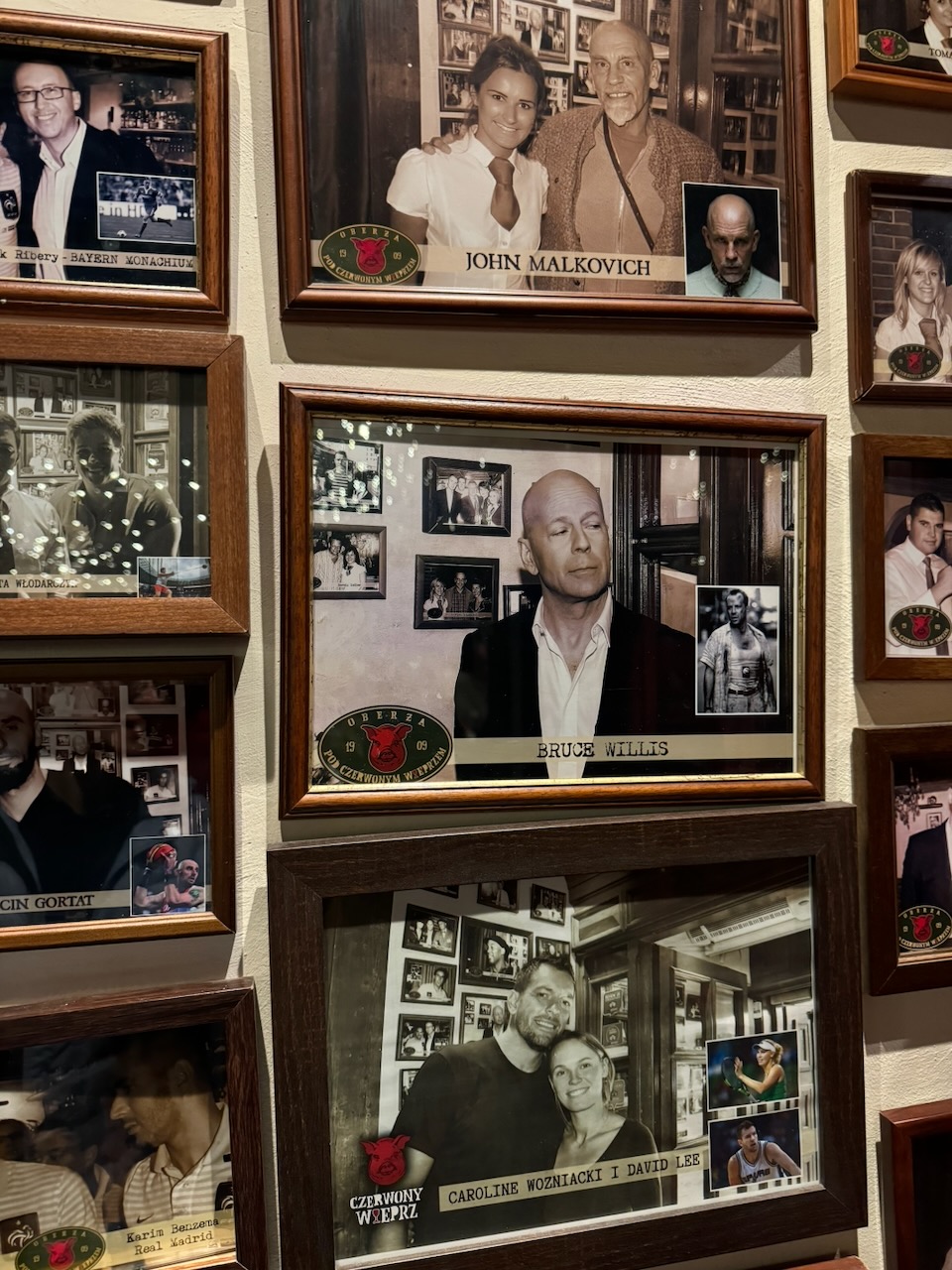
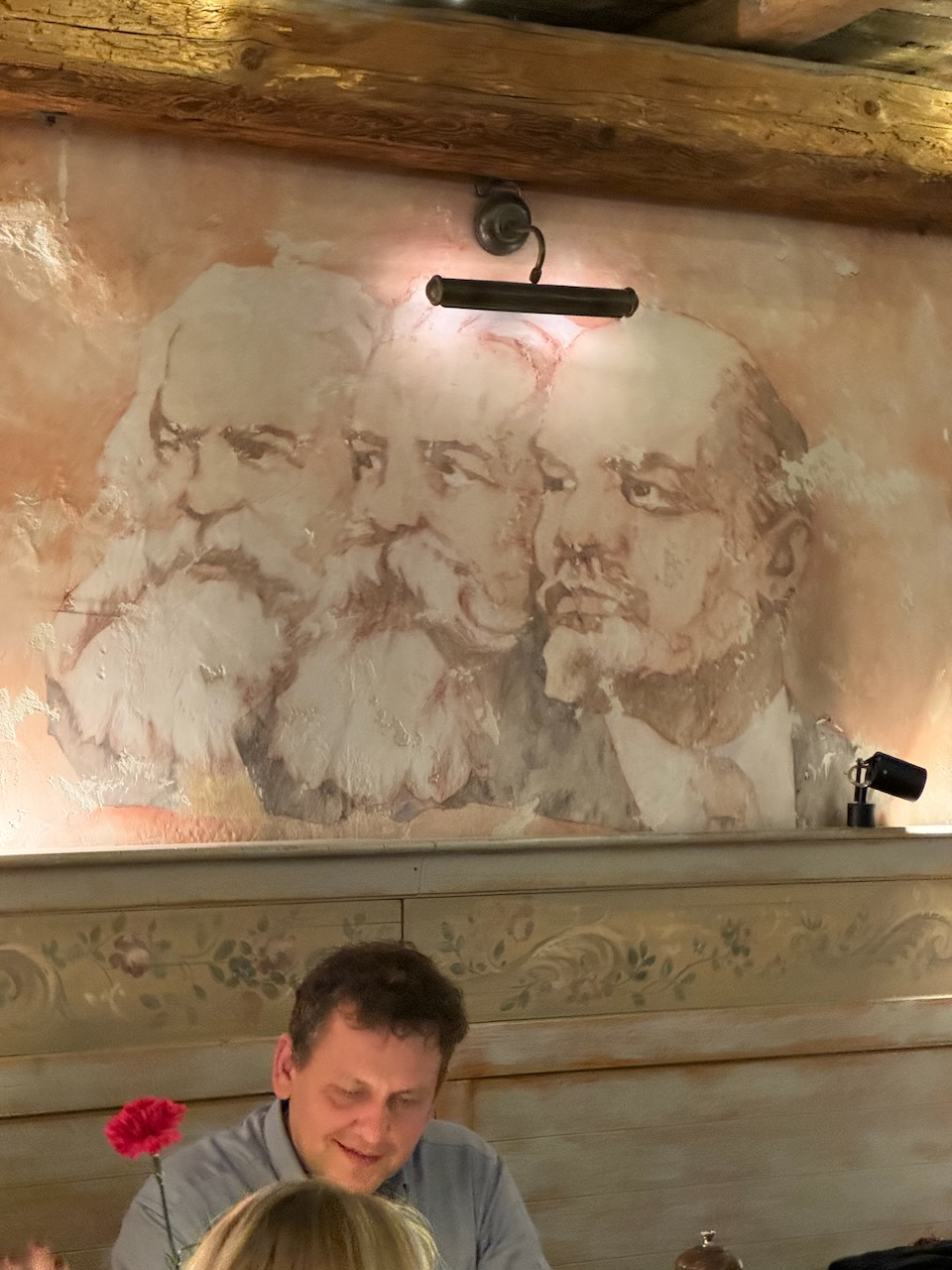
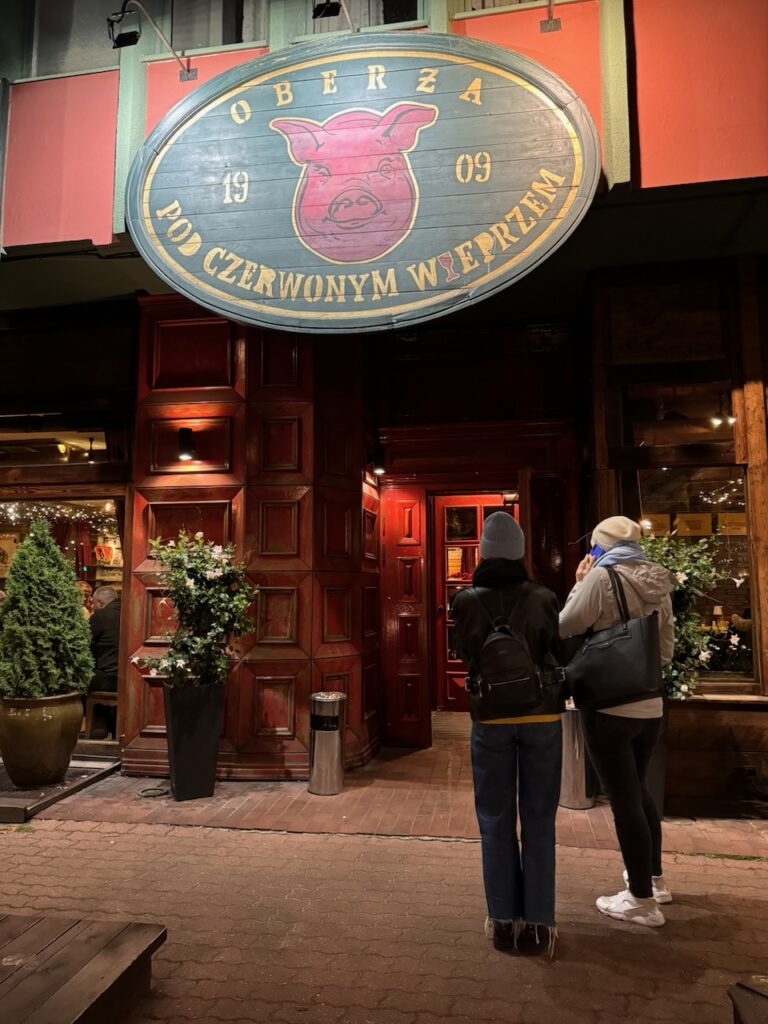
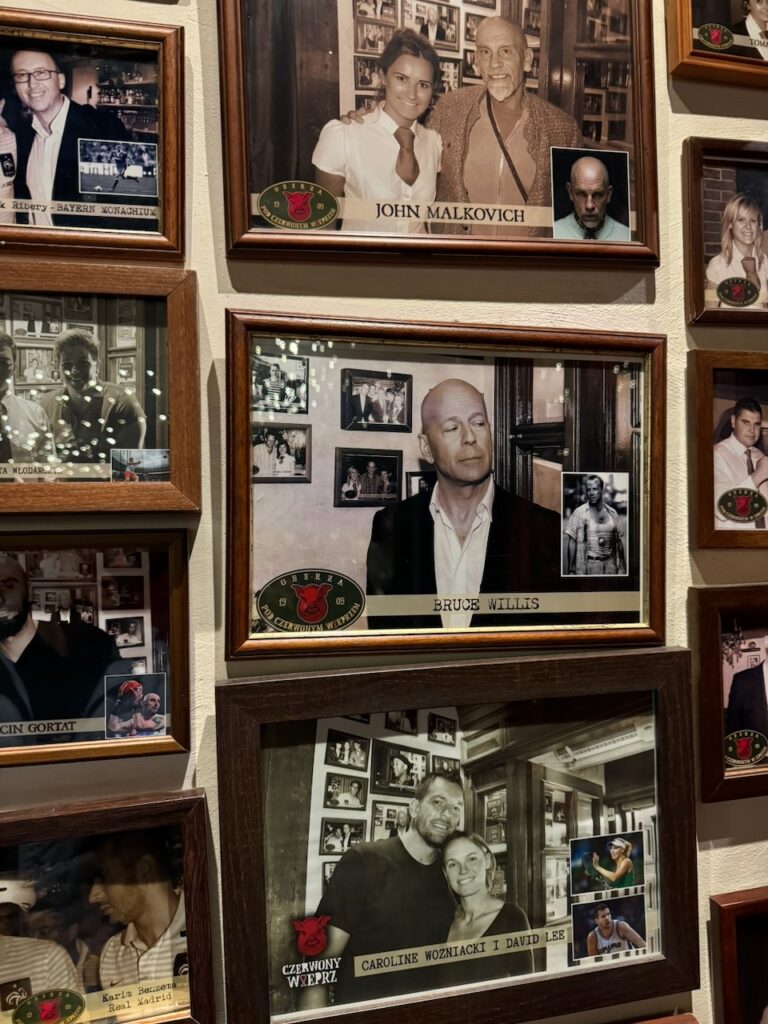
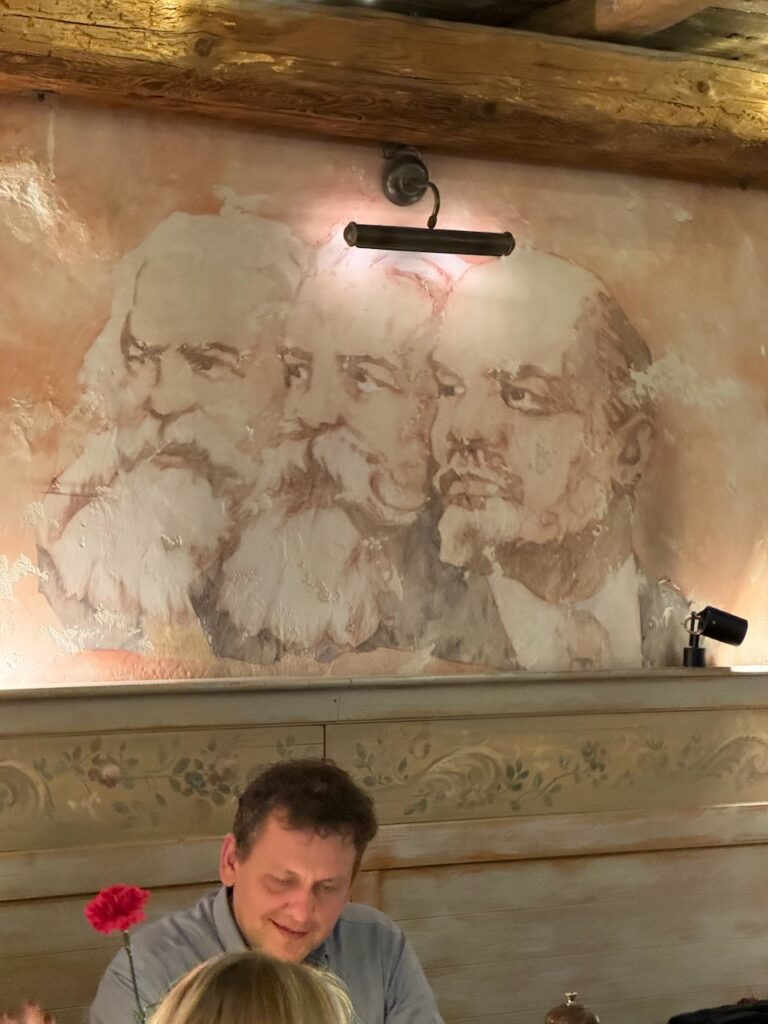
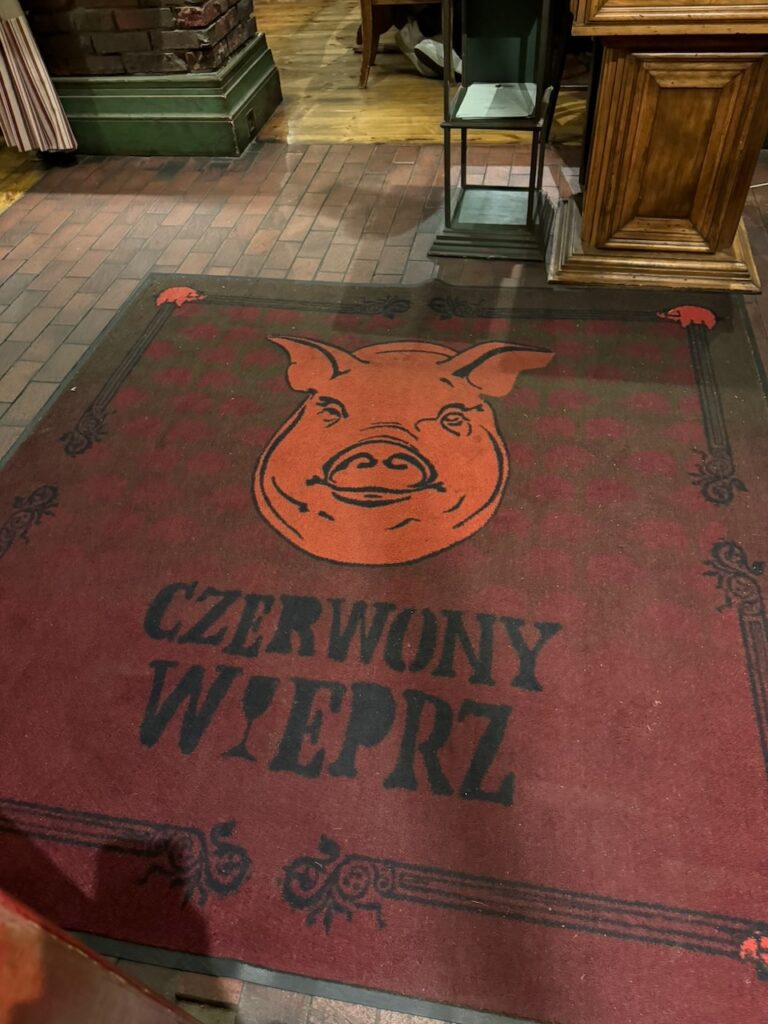
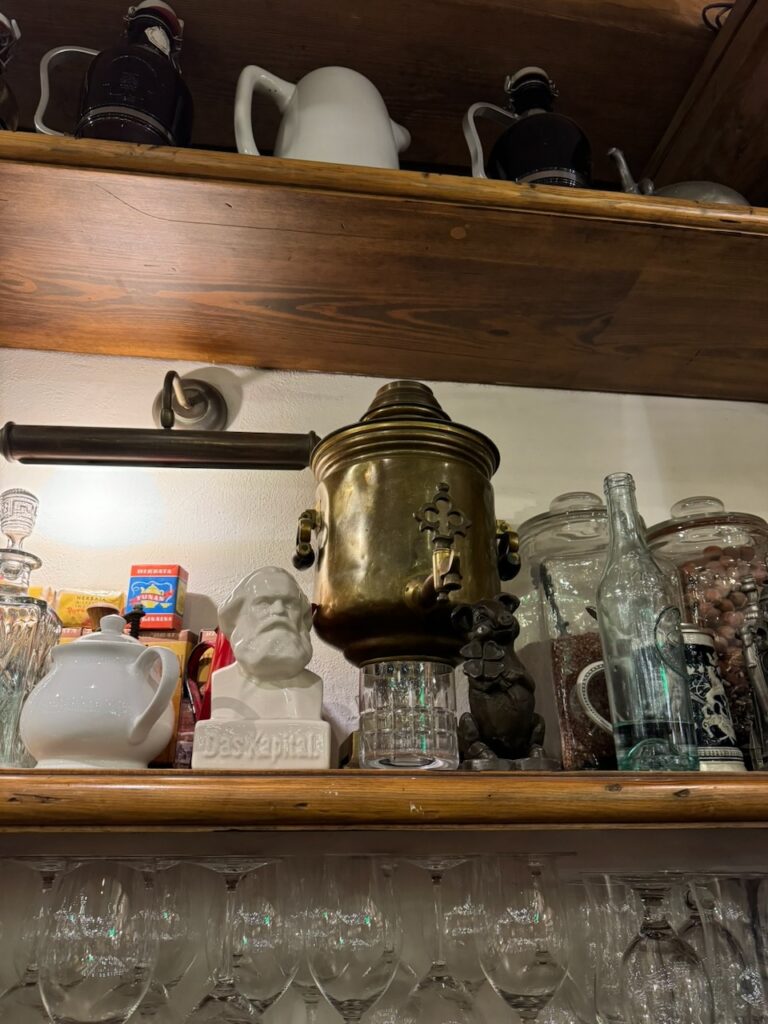
Czerwony Wieprz (The Red Hog) takes you on a nostalgic journey back to the Communist era with its themed interior. The restaurant is decorated with chandeliers, portraits, and flags, creating a warm and humorous atmosphere. The menu features traditional Polish cuisine and culinary hits from former Eastern Bloc countries like Czechoslovakia, Yugoslavia, and East Germany. One of the highlights is the “Last Communist Supper” portrait, depicting historical leaders gathered around a festive table.
Oma
For a quick and cozy lunch, Oma is the perfect spot. This small eatery feels like home, offering a limited but delicious menu. The atmosphere is intimate, making it an ideal place for a relaxed meal. Despite its size, Oma delivers big on flavor, with dishes that are both comforting and satisfying.
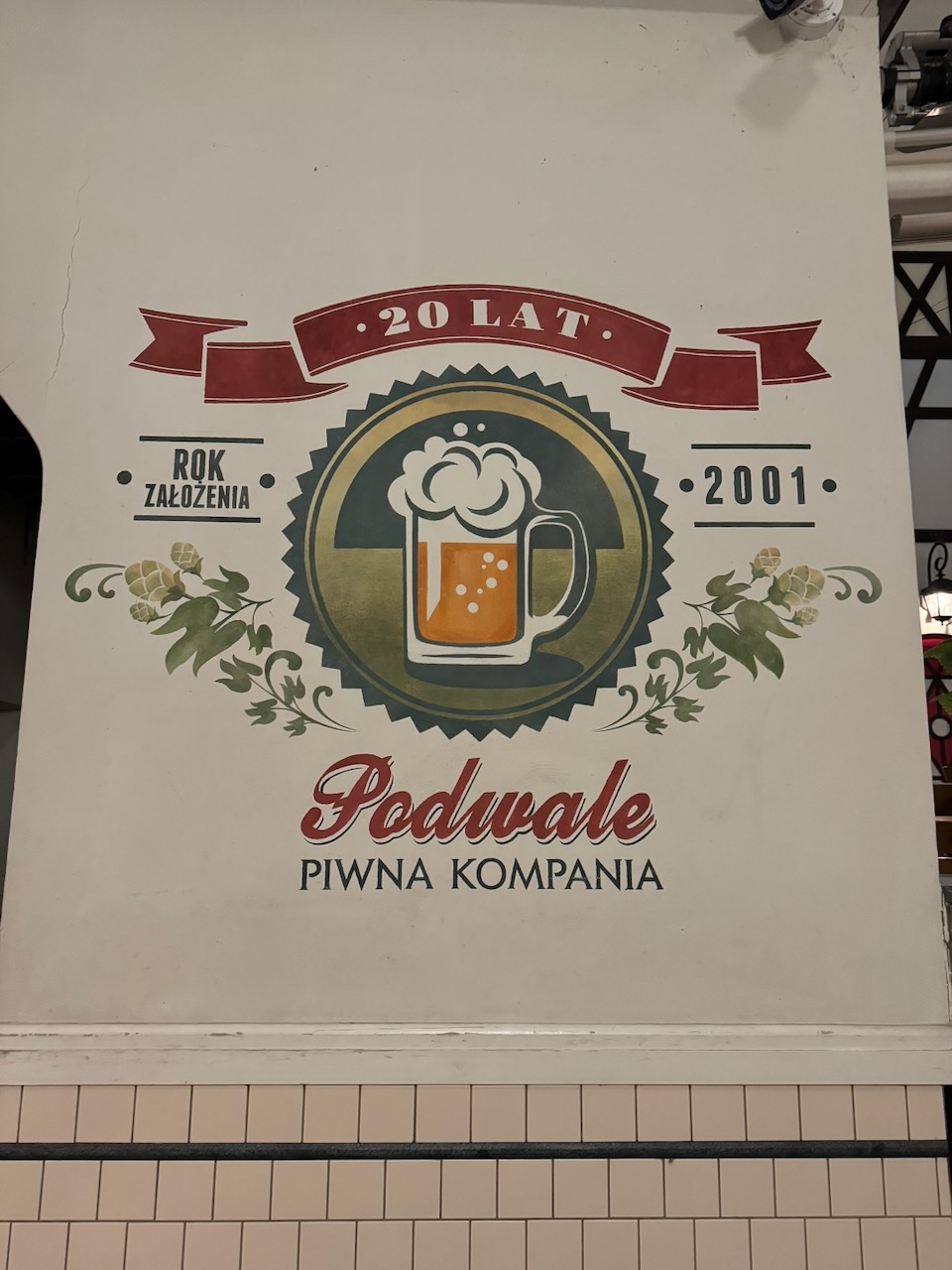
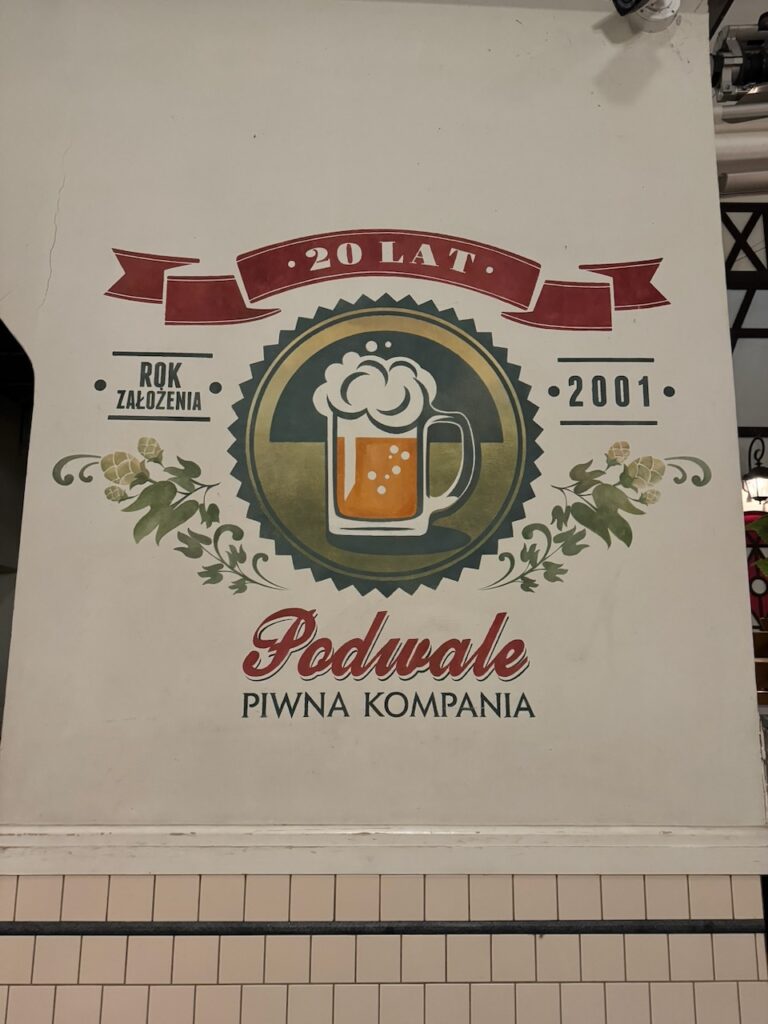
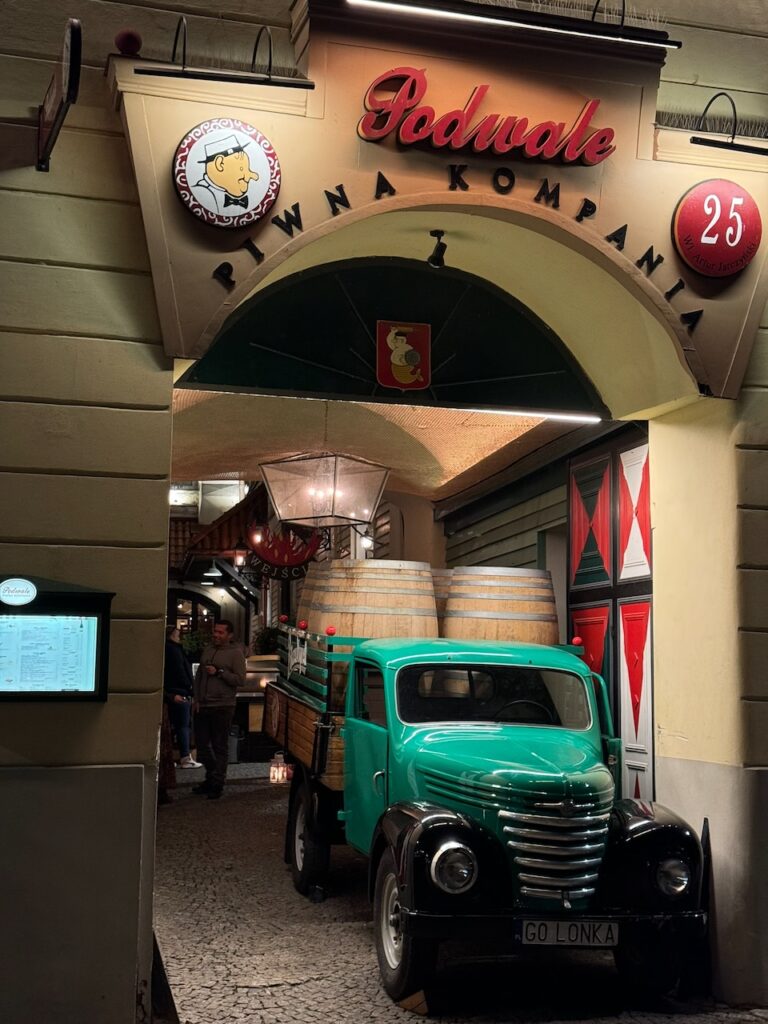
Podwale 25 Kompania Piwna
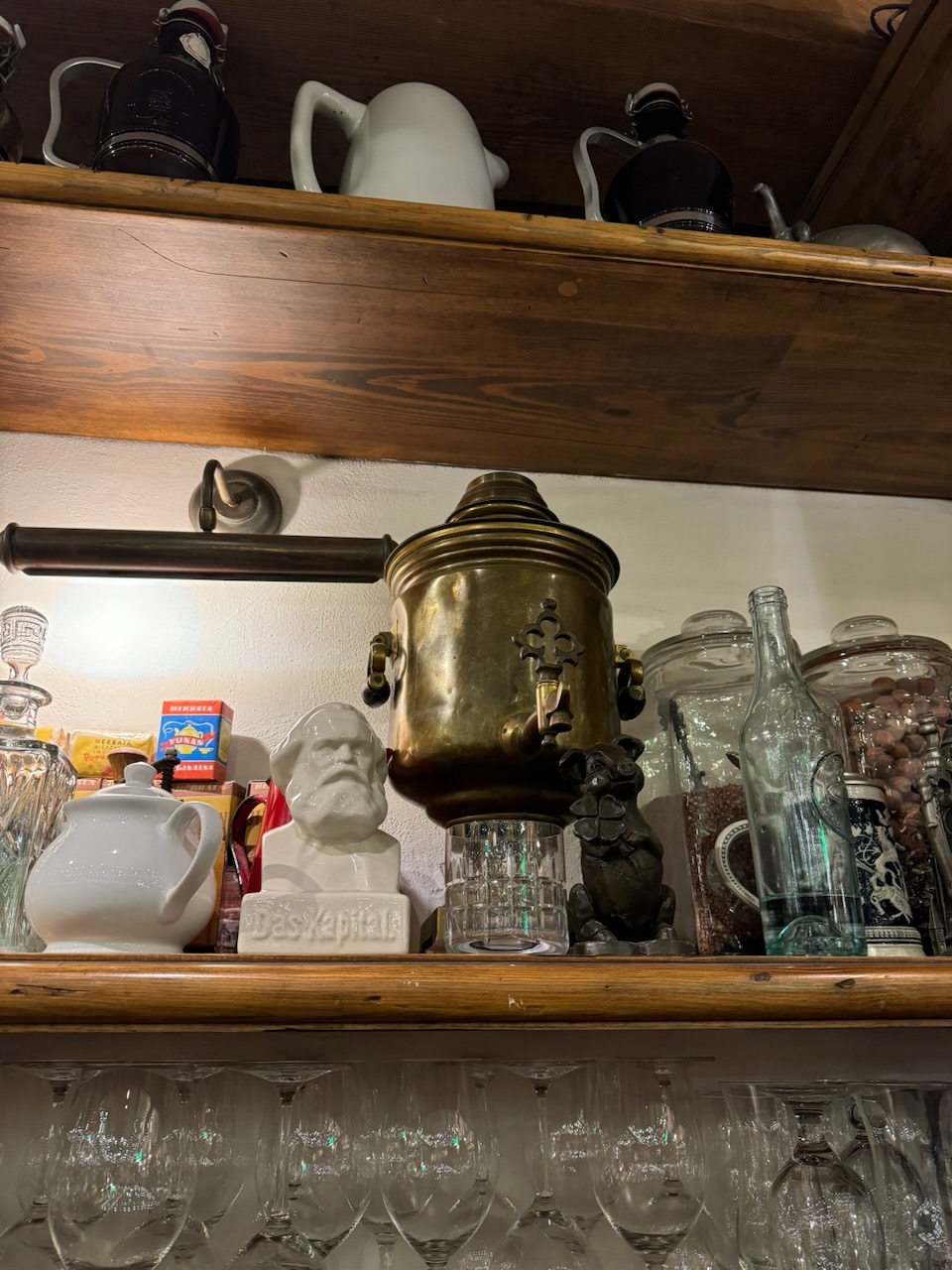
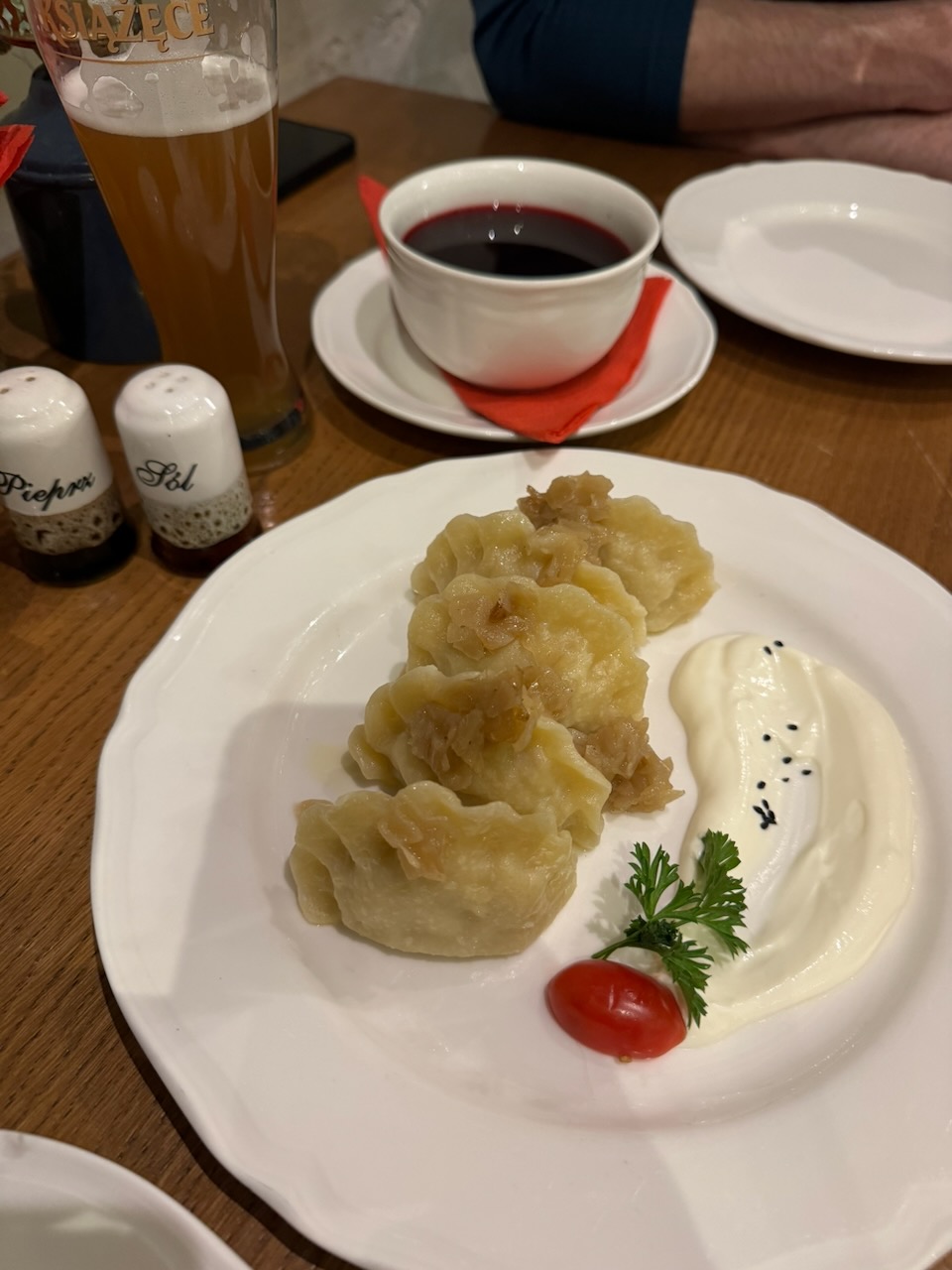
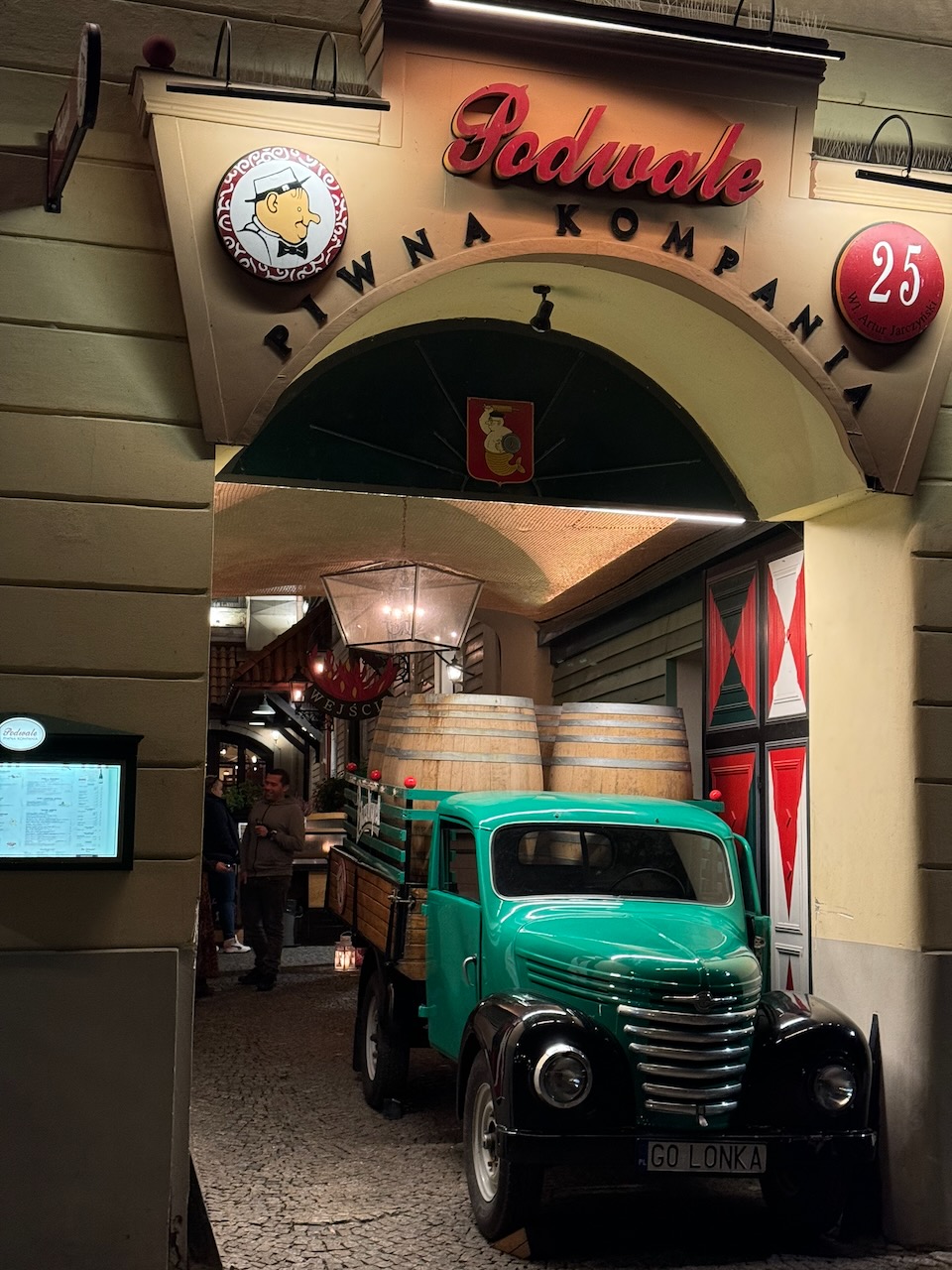
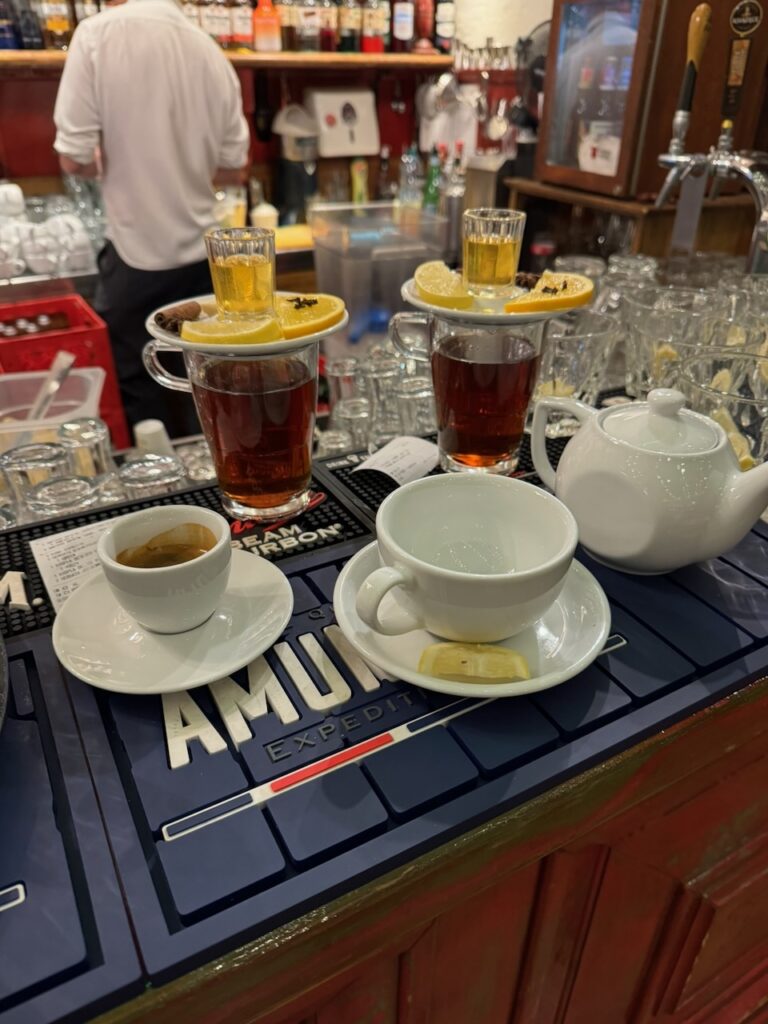
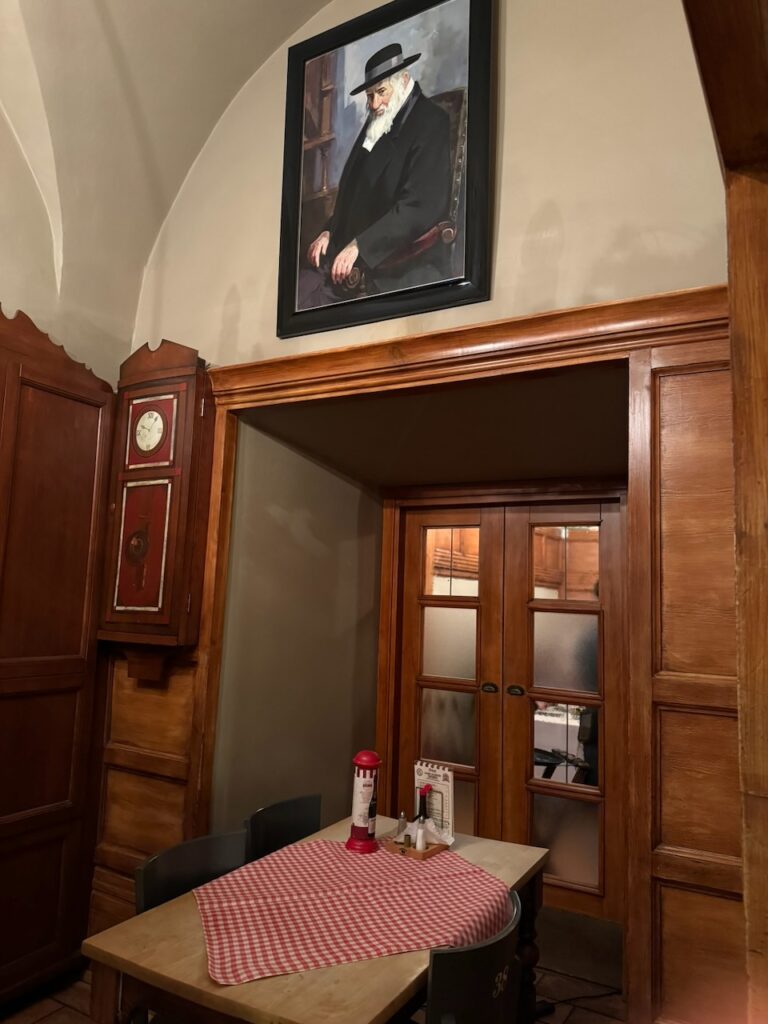
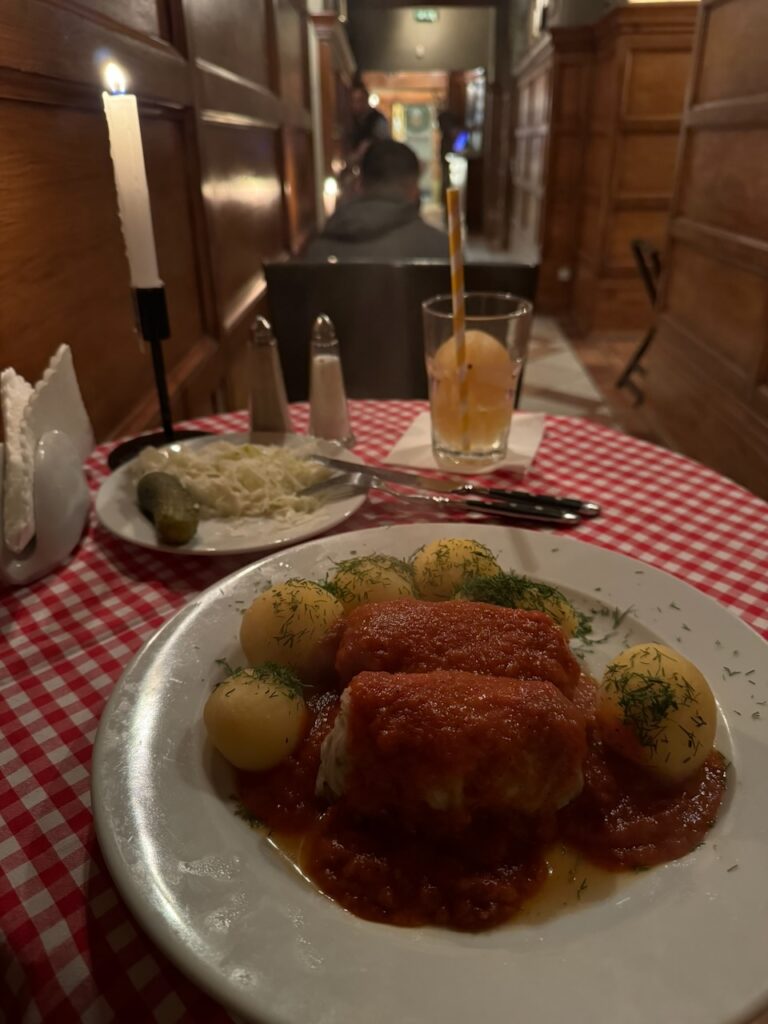
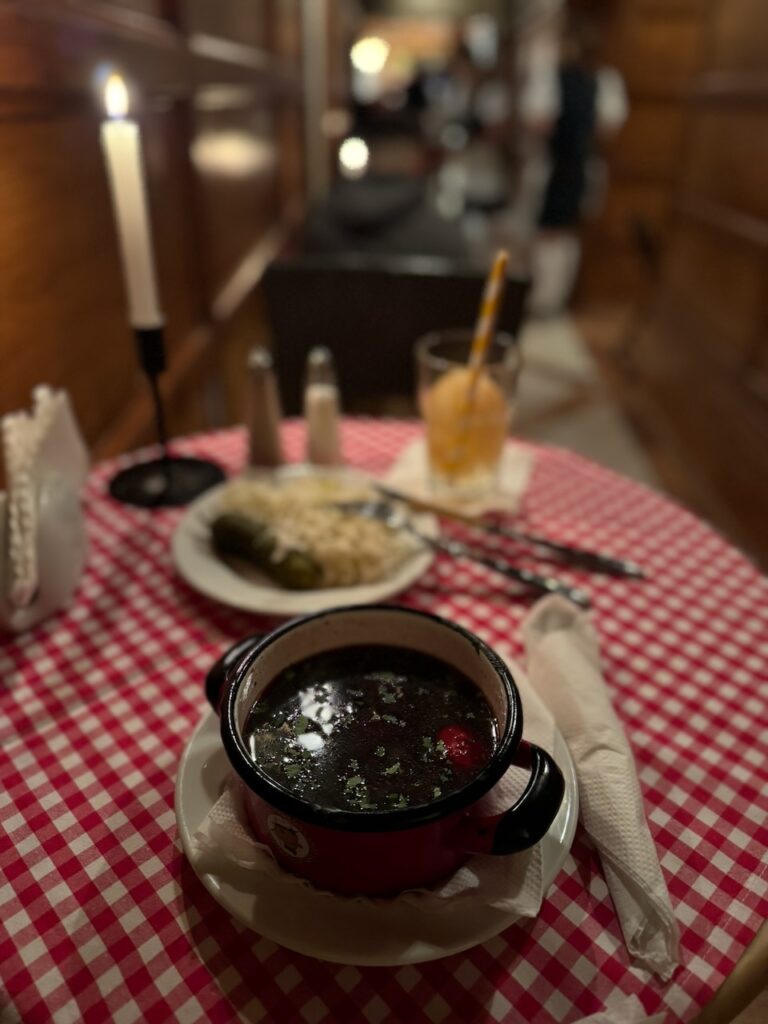
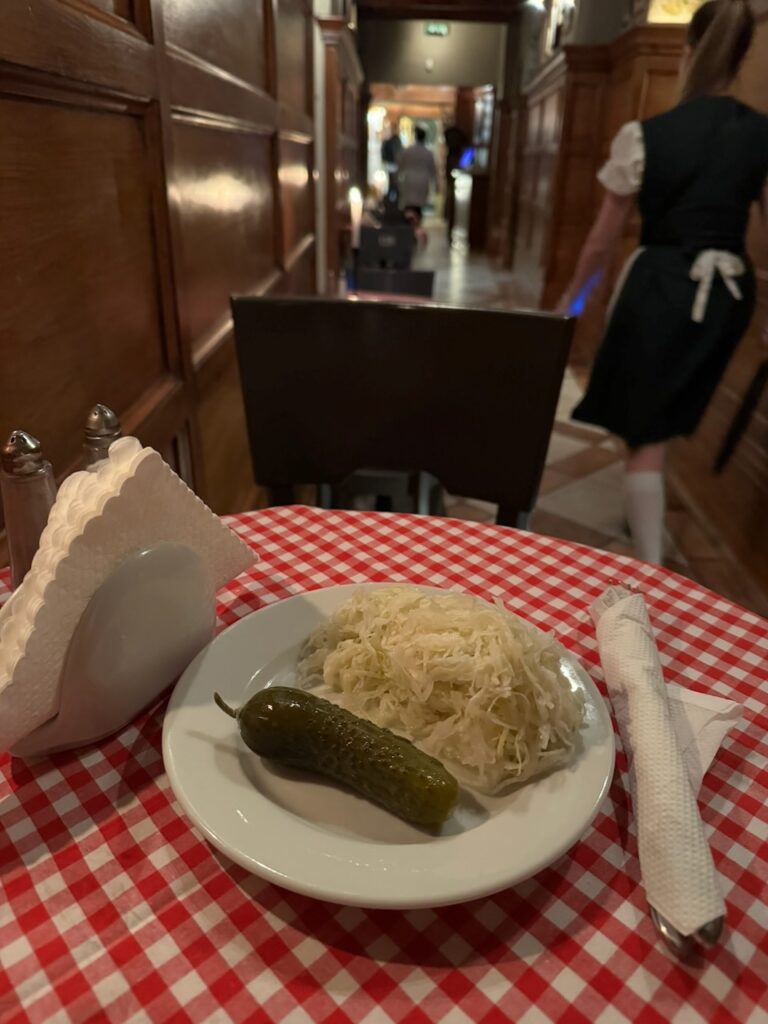
Podwale 25 Kompania Piwna is a Bavarian-style restaurant that serves authentic Polish cuisine. The interior is lively and welcoming, with servers dressed in traditional Polish costumes. The menu includes hearty dishes like pierogi, bigos, and schnitzel, all served in generous portions. The atmosphere is enhanced by live music in the evenings, making it a great place to enjoy a meal with friends or family.
Places for Coffee and Cake or Pączki (Polish Donuts)
For a sweet treat, Warsaw has plenty of options. Dobra Pączkarnia is well-known for its delicious pączki (Polish donuts) and can be found easily throughout the city5. Another great spot is Vita Cafe, which offers a fantastic selection of donuts, incredible-looking cakes, and great coffee. If you’re in the mood for a cozy Italian-style café, Porta 13 is a must-visit. Located on Emilii Plater Street, this café serves excellent coffee and delightful desserts in a charming setting.
Day 3-4: Wrocław – A Hidden Gem of Poland
After getting your first taste of Poland through Warsaw, hop on a train or rent a car and head to Wrocław. It’s about 4 hours by train and around 3.5 hours by car, but you’ll find yourself in a different world.
Wrocław, the capital of Lower Silesia, is known for its stunning architecture, vibrant cultural scene, and rich history. Unlike Warsaw’s modern and reconstructed landscape, Wrocław boasts a mix of Gothic, Baroque, and Art Nouveau styles, reflecting its diverse heritage. The city’s name, derived from the Bohemian duke Vratislav I, signifies its historical significance as a crossroads of various cultures and empires.
The city’s second name, Breslau, reflects its German heritage. From 1742 until the end of World War II, Wrocław was part of Prussia and later the German Empire. During this period, the city flourished as a major economic and cultural center. Traces of its German past can still be found in the architecture and layout of the city. For example, the Centennial Hall, designed by German architect Max Berg, is a UNESCO World Heritage Site and a prime example of early 20th-century modernist architecture. The influence of German urban planning is also evident in the city’s well-preserved pre-war buildings and the layout of its streets and squares.
Things to Do and See in Wroclaw
Market Square (Rynek)
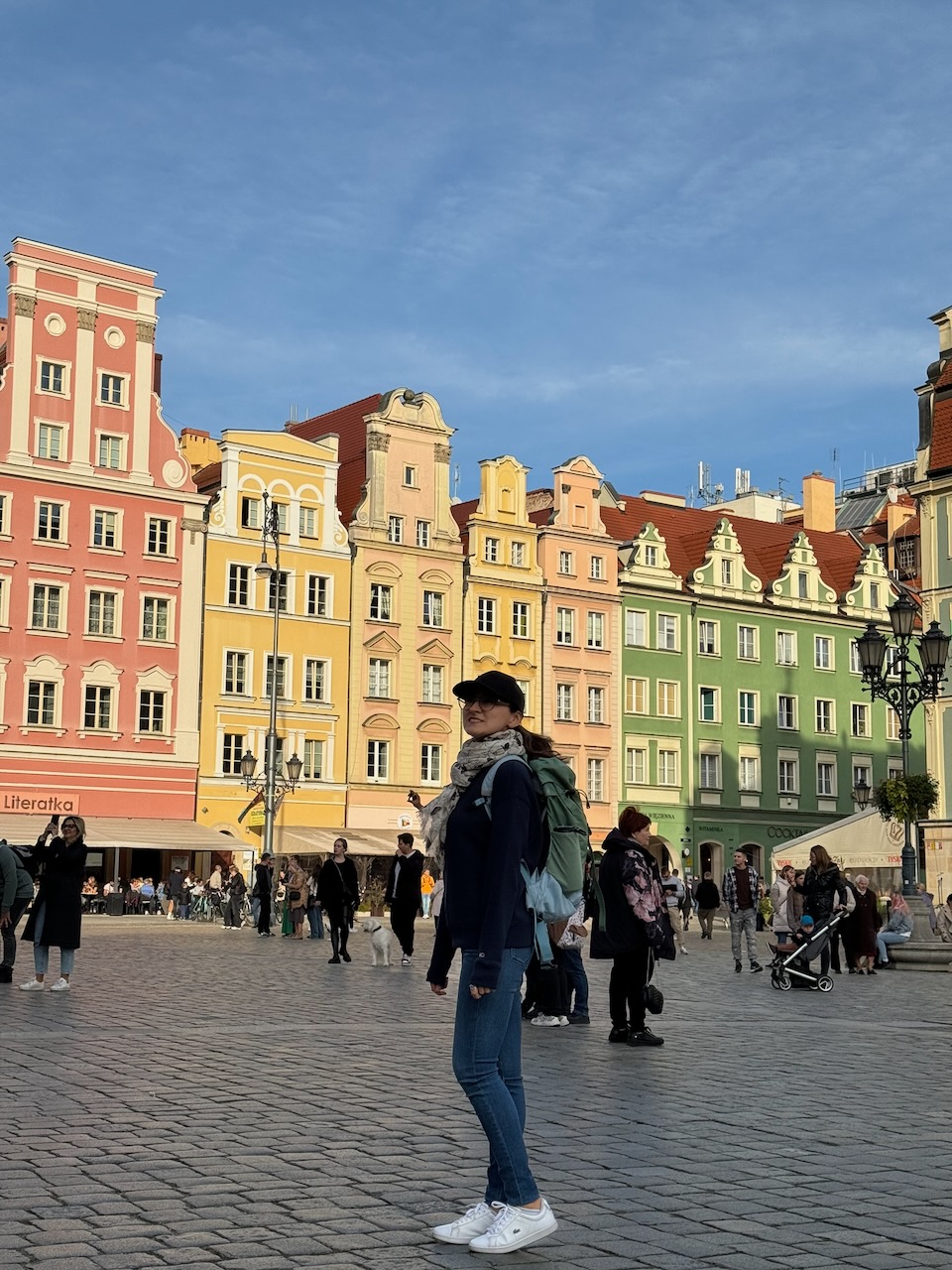
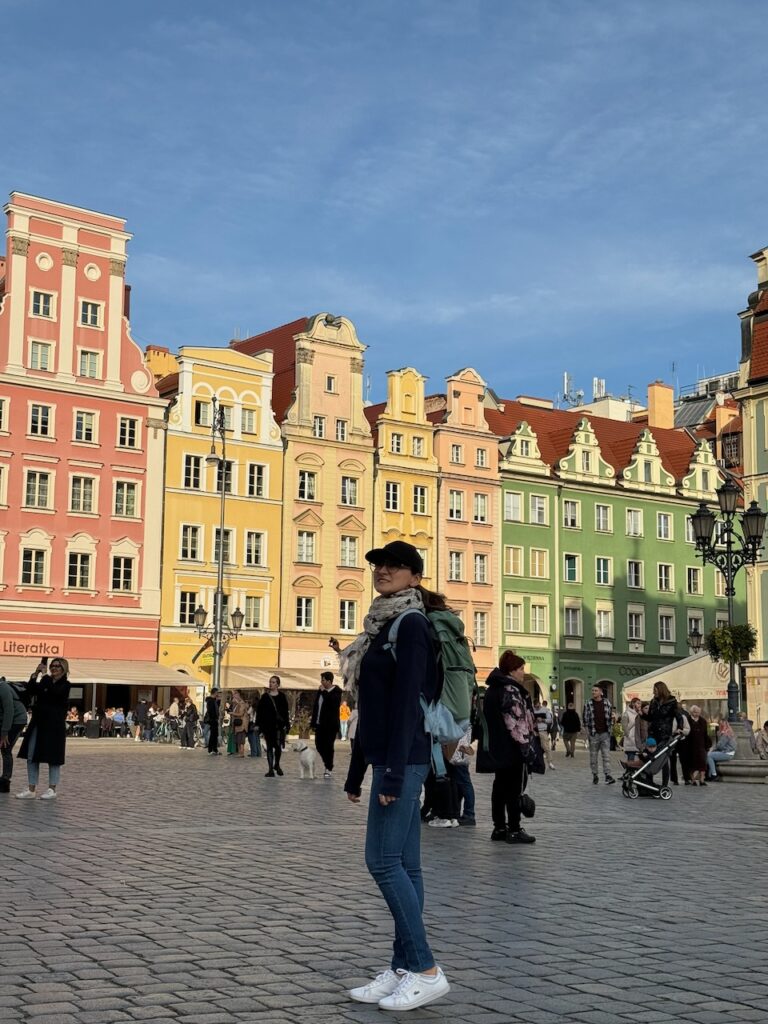
The Market Square in Wrocław, known as Rynek, is one of the largest and most beautiful market squares in Europe. Established between 1214 and 1232, it has been the heart of the city’s commercial and social life for centuries1. The square is rectangular, measuring 213 by 178 meters, and is surrounded by colorful townhouses, each with its own unique history and architectural style.
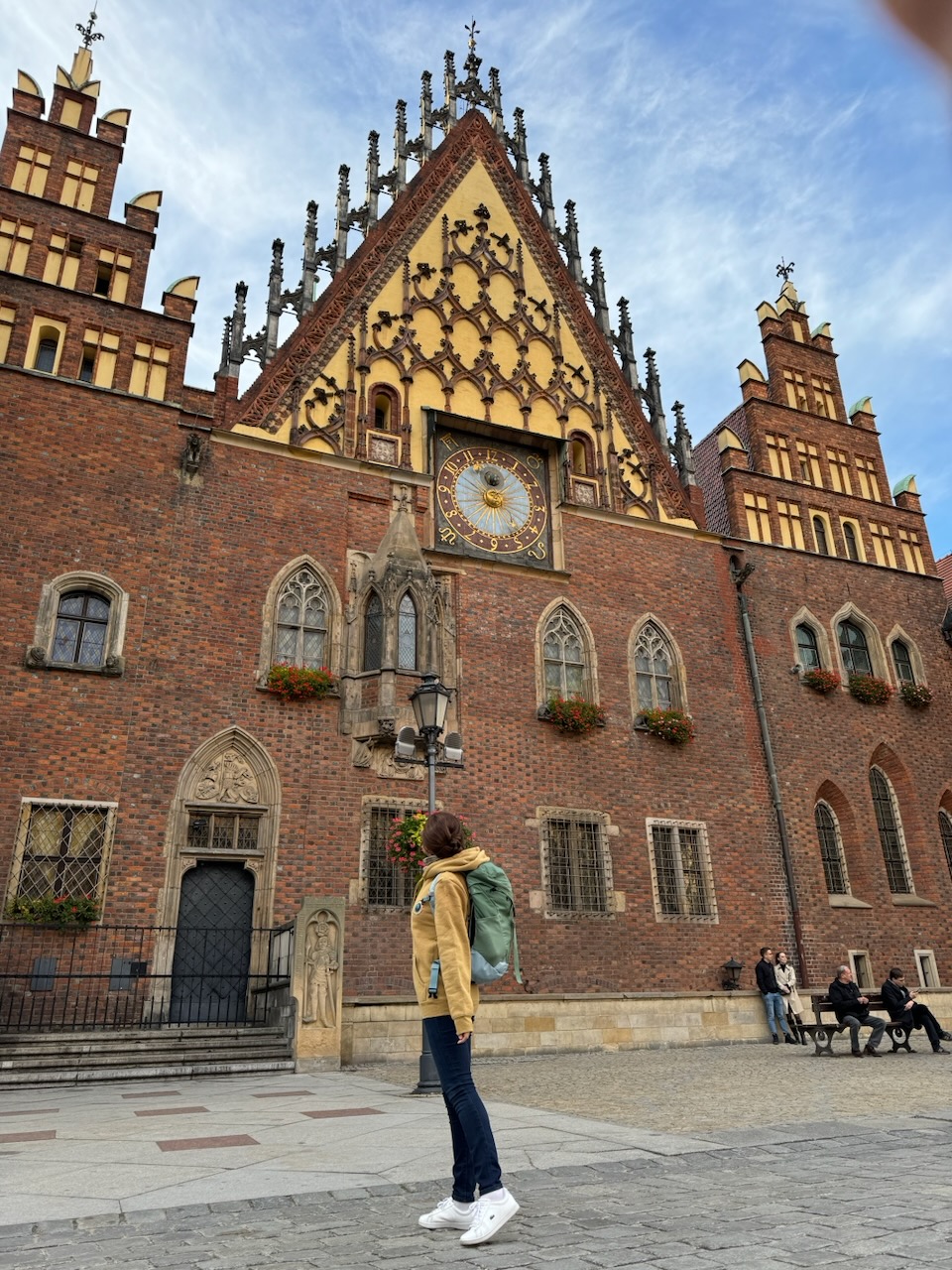
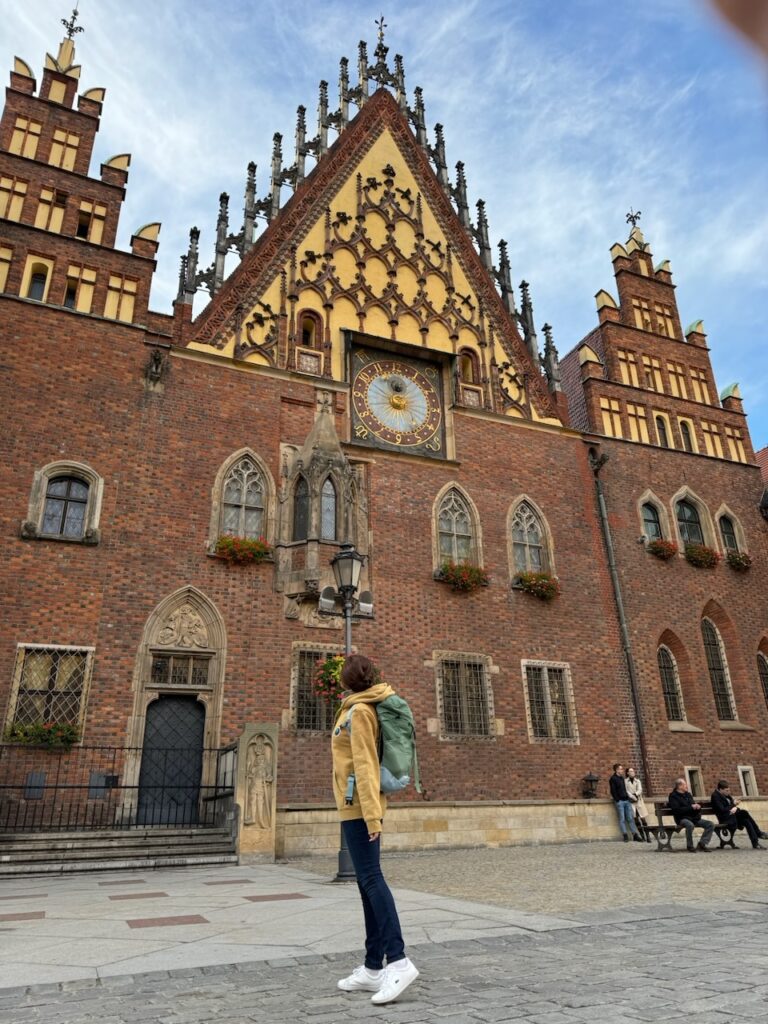
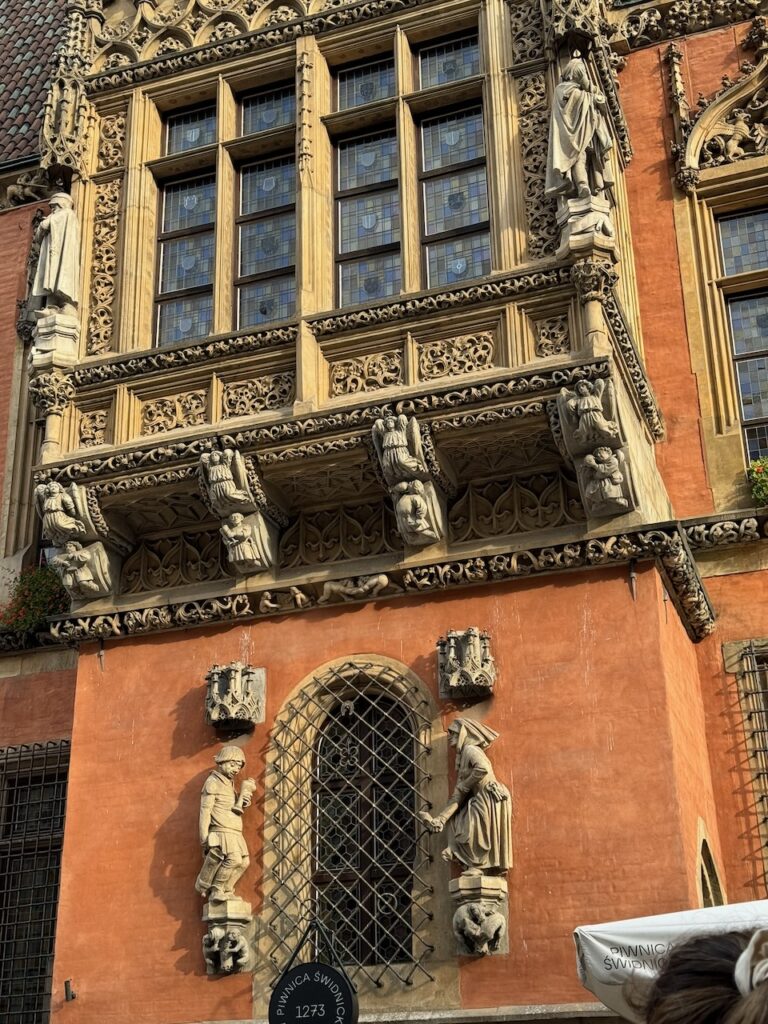
The centerpiece of the Market Square is the Old Town Hall, a stunning example of Gothic architecture dating back to the 13th century. The building features an intricate facade adorned with sculptures and a 66-meter-high tower with an astronomical clock2. Inside, the Old Town Hall houses the Museum of Bourgeois Art, showcasing works of art and historical artifacts related to the city’s history.
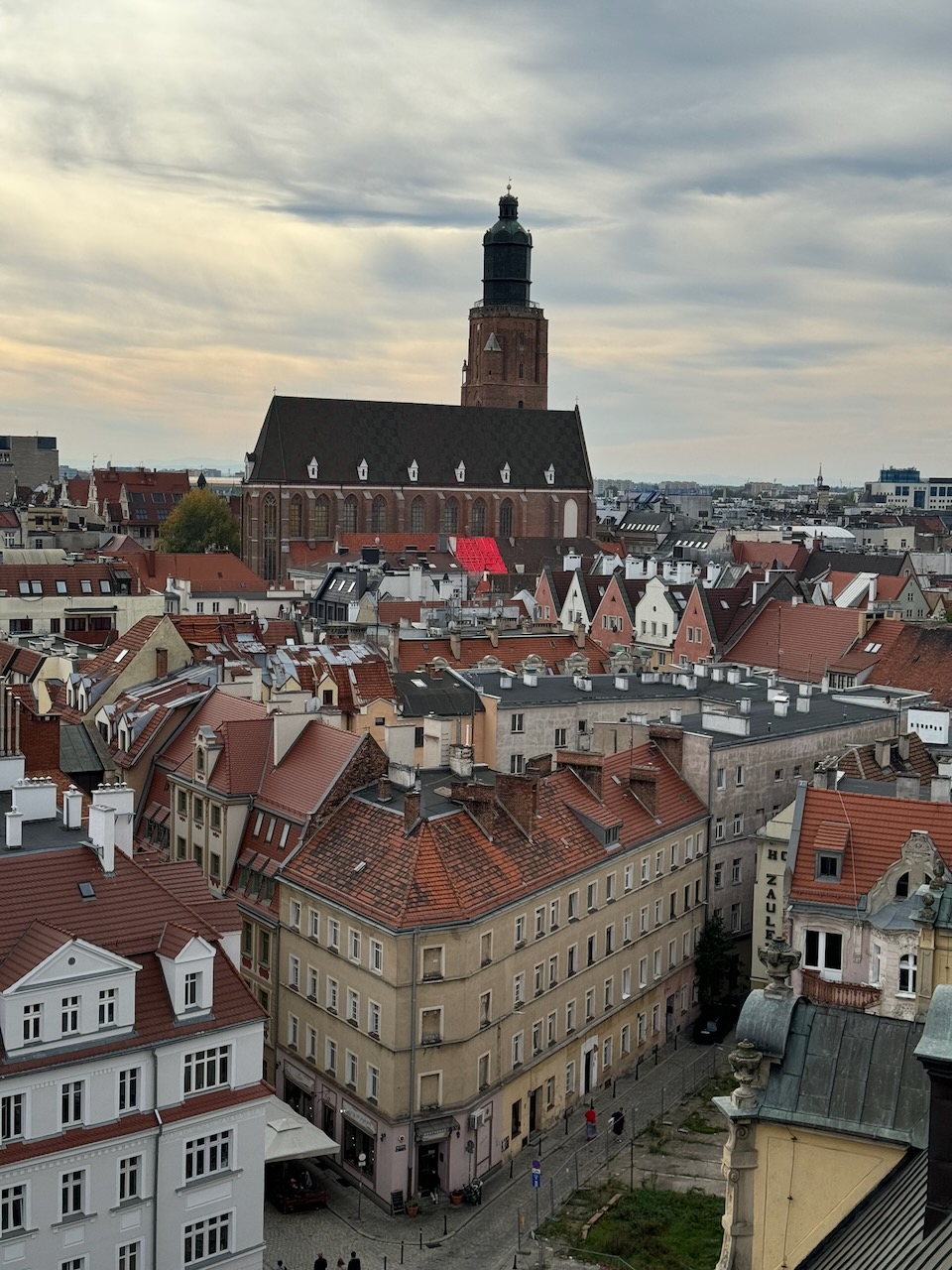
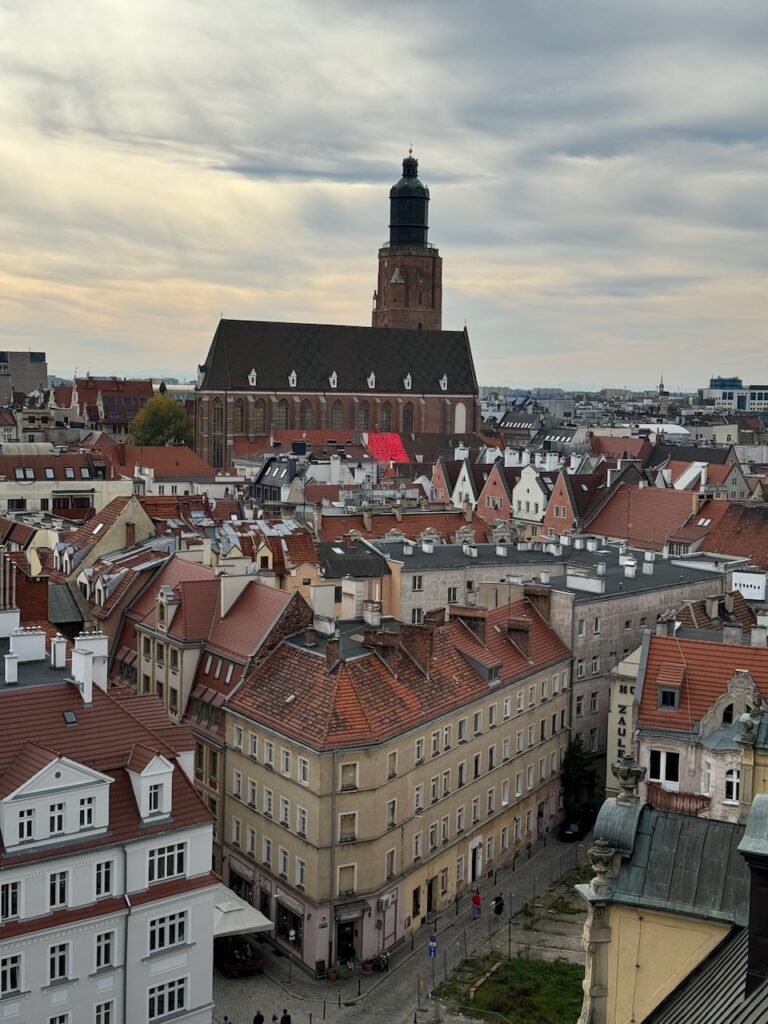
During World War II, the Market Square suffered significant damage, but many of the buildings were carefully restored in the post-war period1. Today, the square is a vibrant hub filled with cafes, restaurants, and shops. Notable attractions around the square include the Wrocław Fountain, which features colorful lights and water shows in the evenings, and St. Elizabeth’s Church, a Gothic church with a 91-meter-high tower offering panoramic views of the city.
Cathedral Island (Ostrów Tumski)
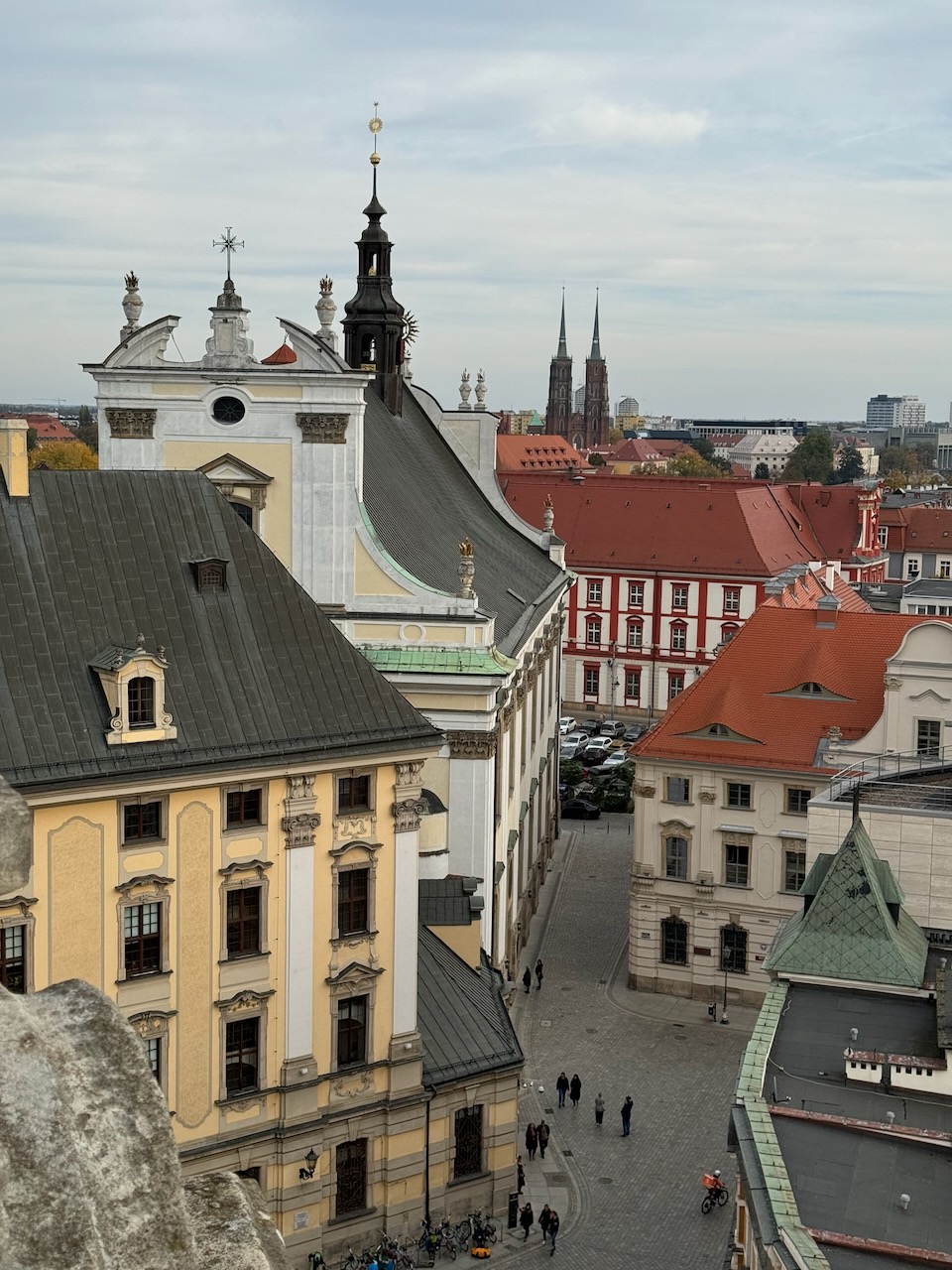
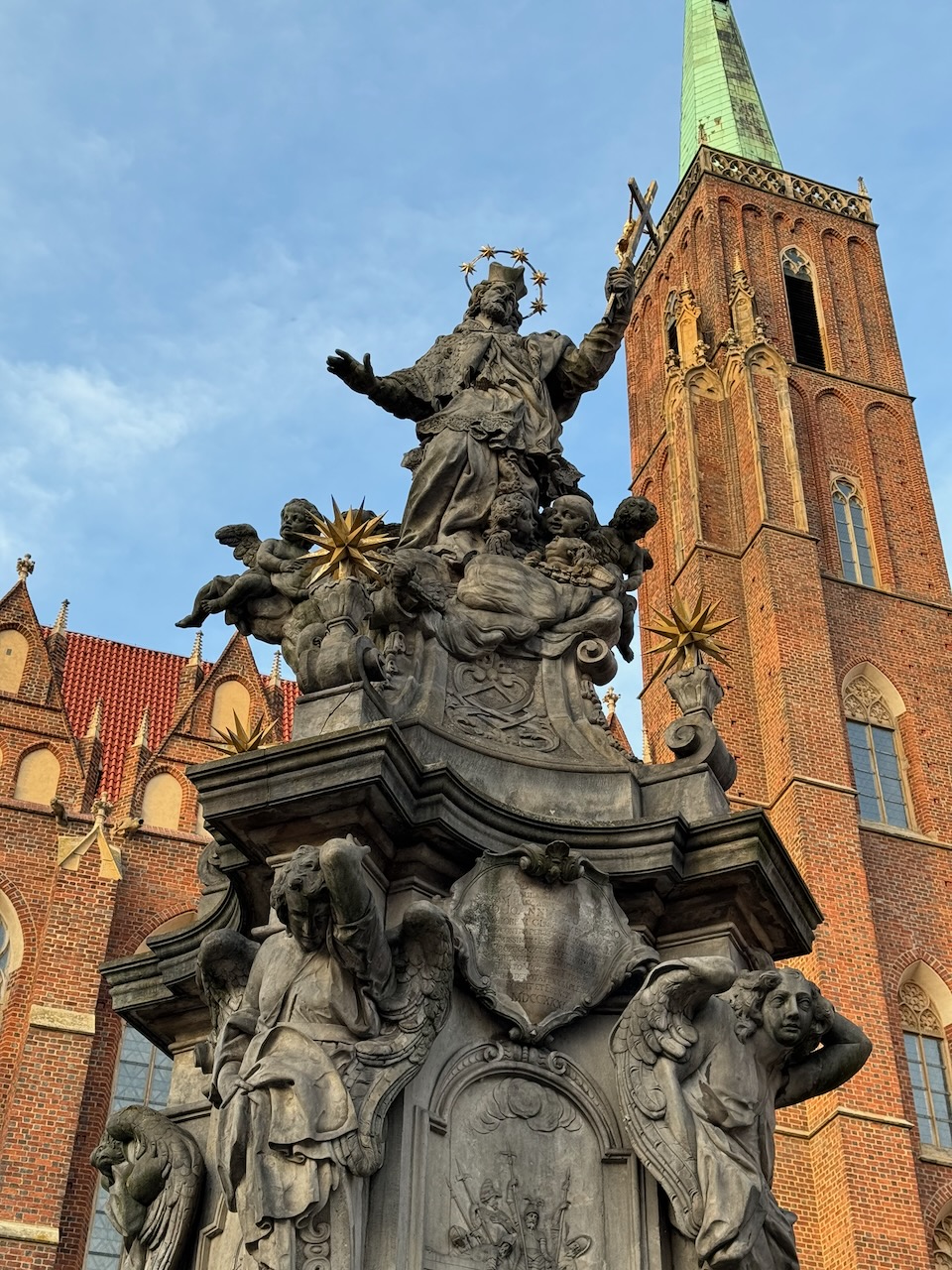
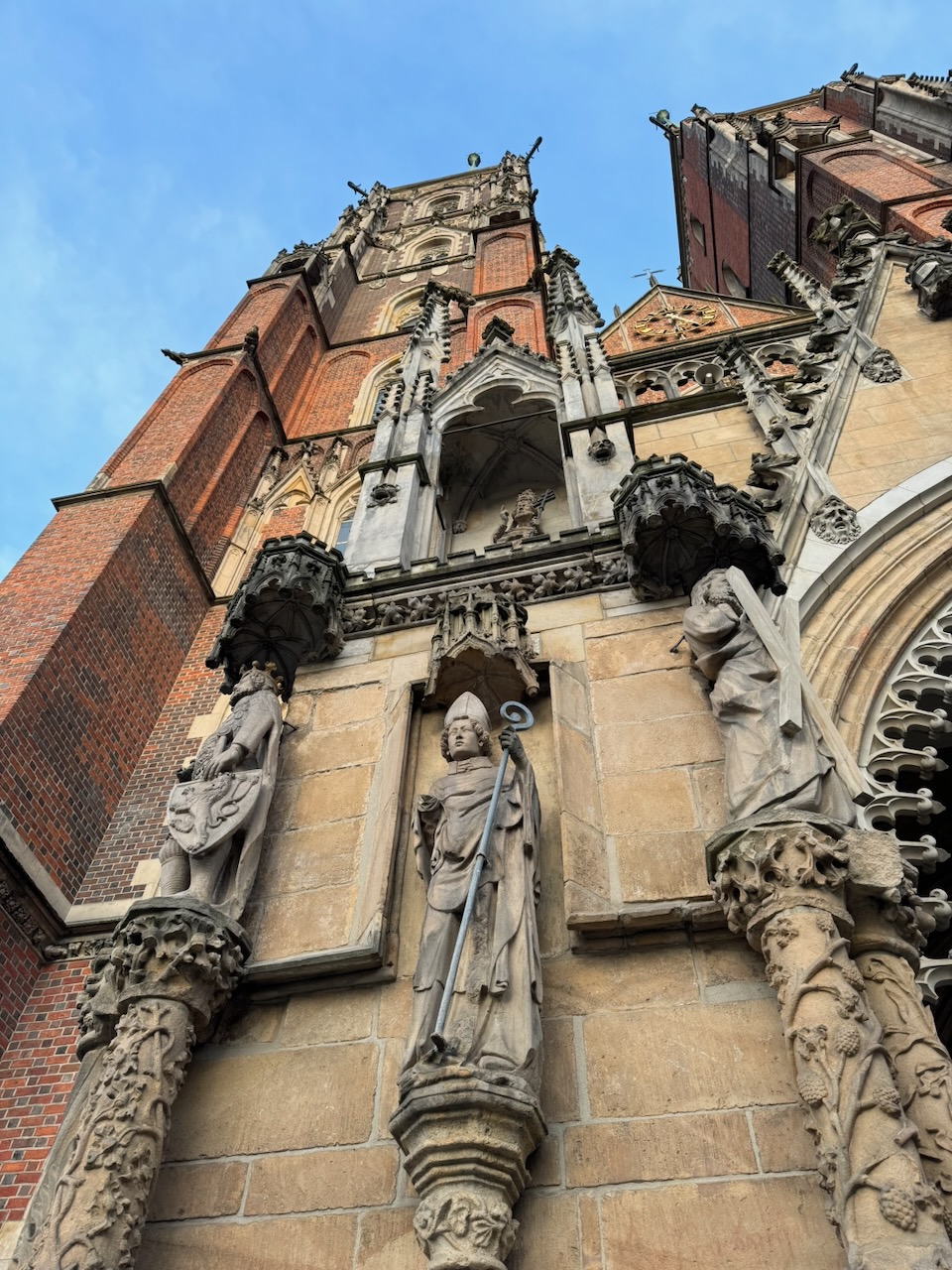
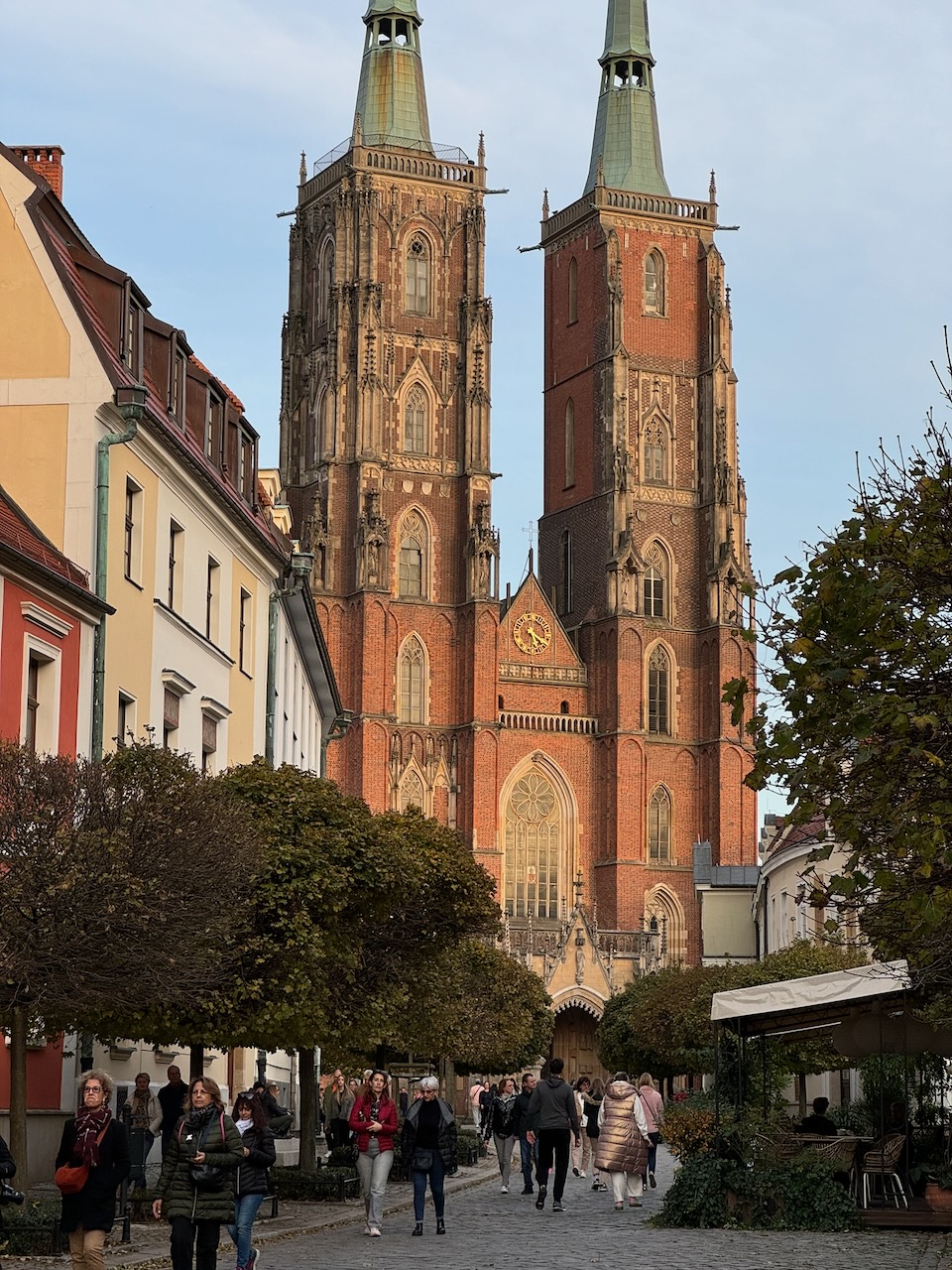
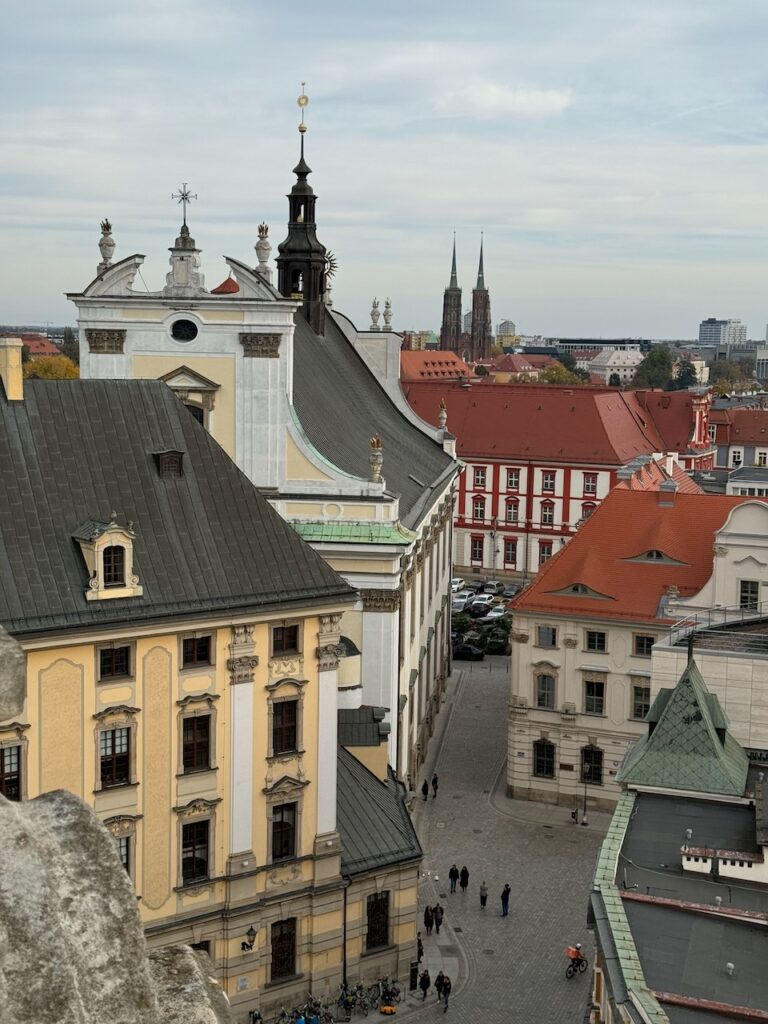
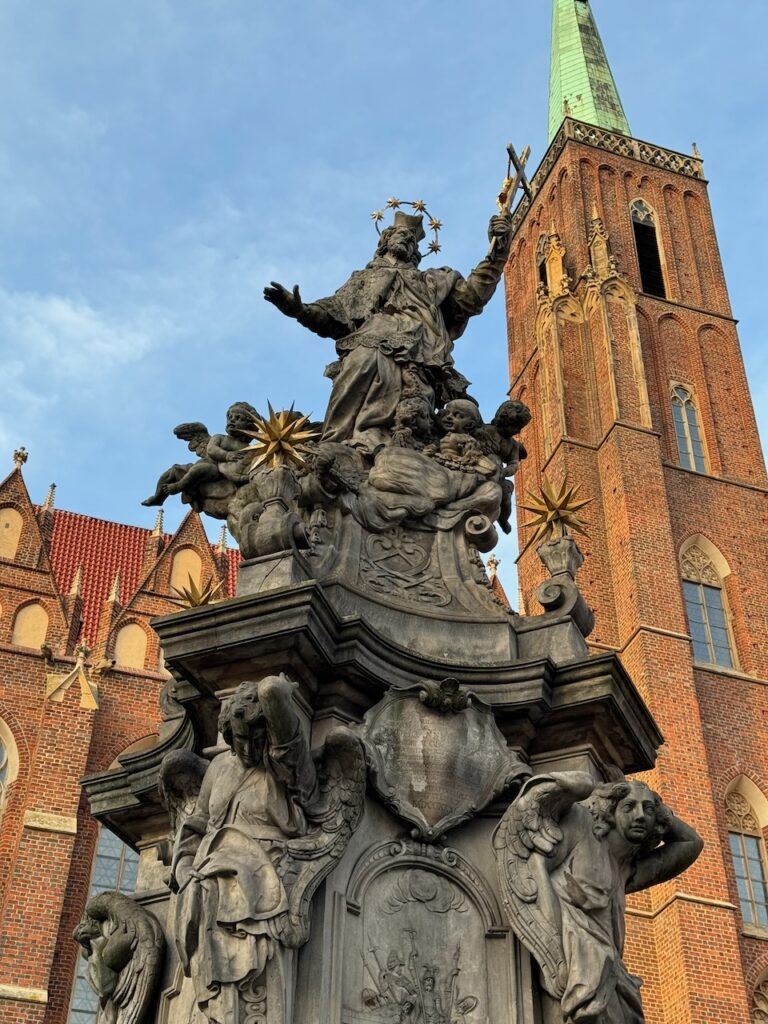
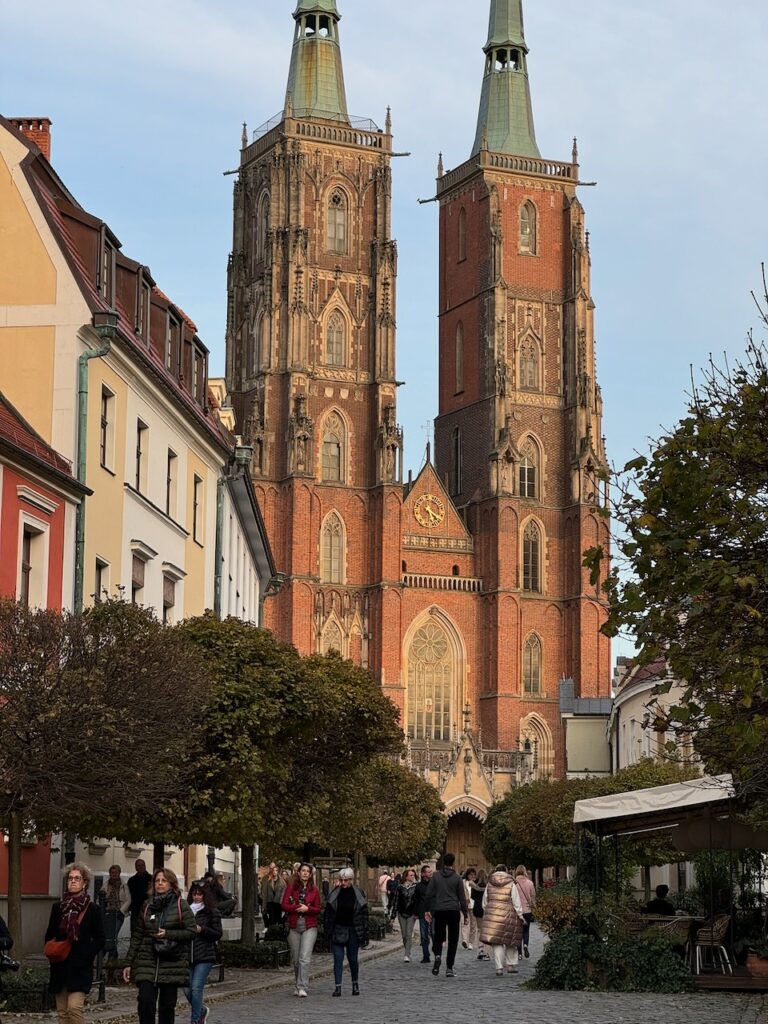
Cathedral Island, or Ostrów Tumski, is the oldest part of Wrocław and a must-visit for history and architecture enthusiasts. This area was once an island between branches of the Oder River and has been a religious center since the 10th century. The island is home to several important religious buildings, including the Cathedral of St. John the Baptist, a stunning Gothic cathedral with Neo-Gothic additions.
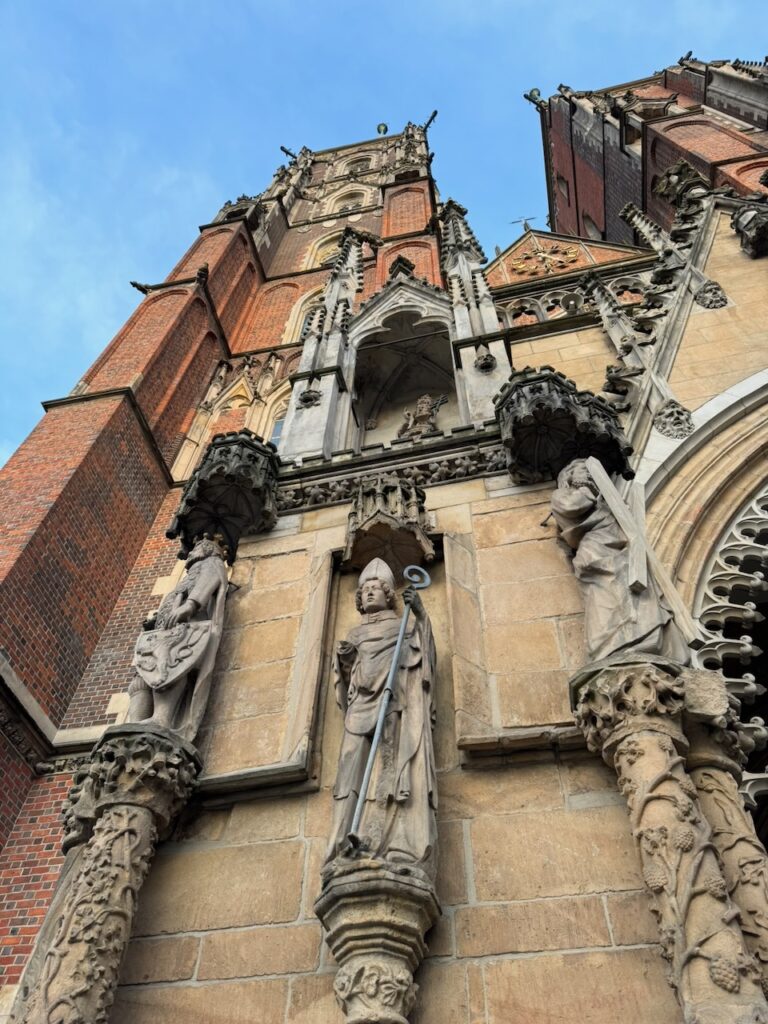
The Cathedral of St. John the Baptist, consecrated in 1272, is the fourth church to be built on this site6. It features two impressive towers, each 98 meters high, and beautiful stained glass windows. The cathedral was heavily damaged during World War II but has been meticulously restored.
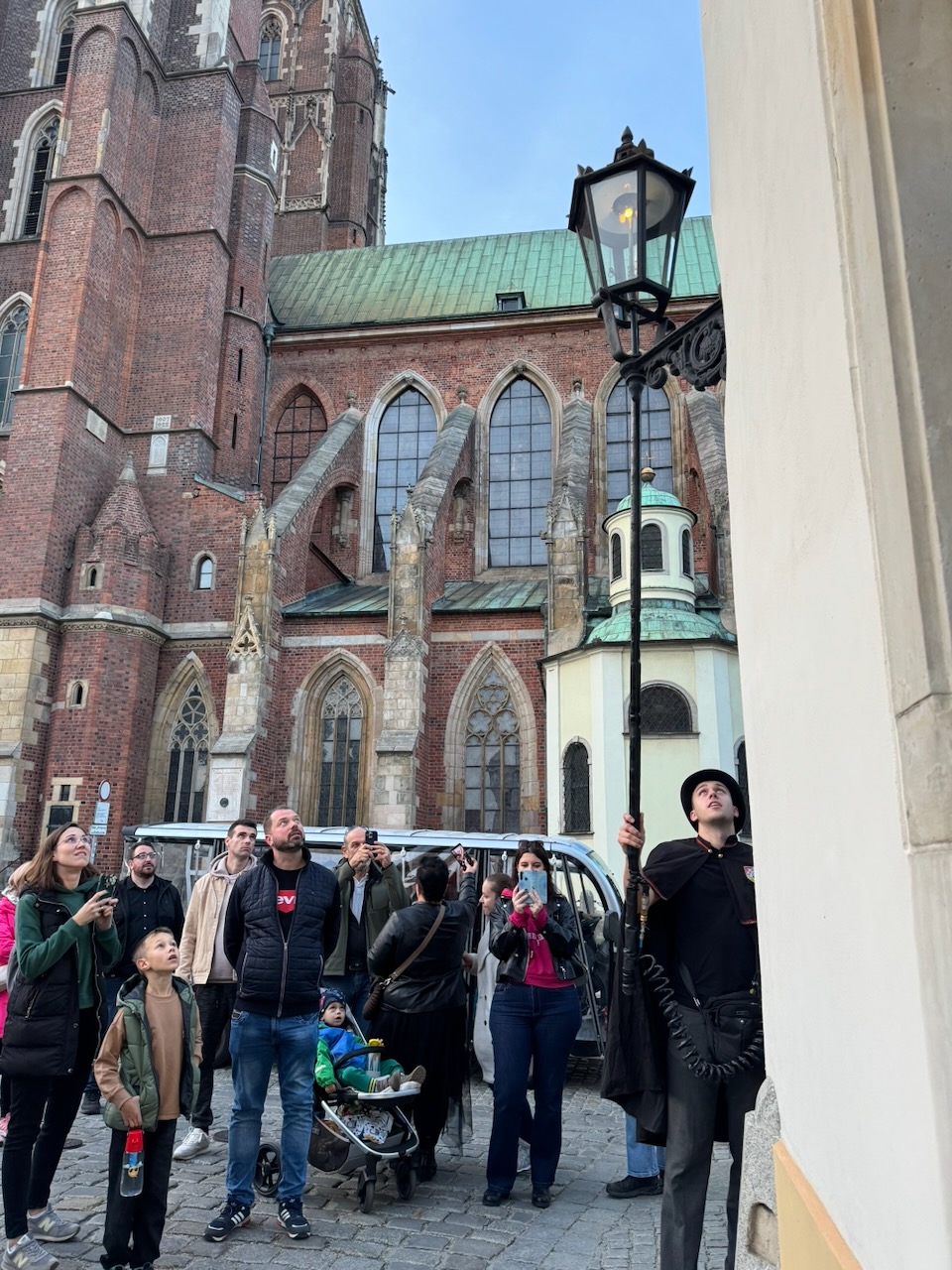
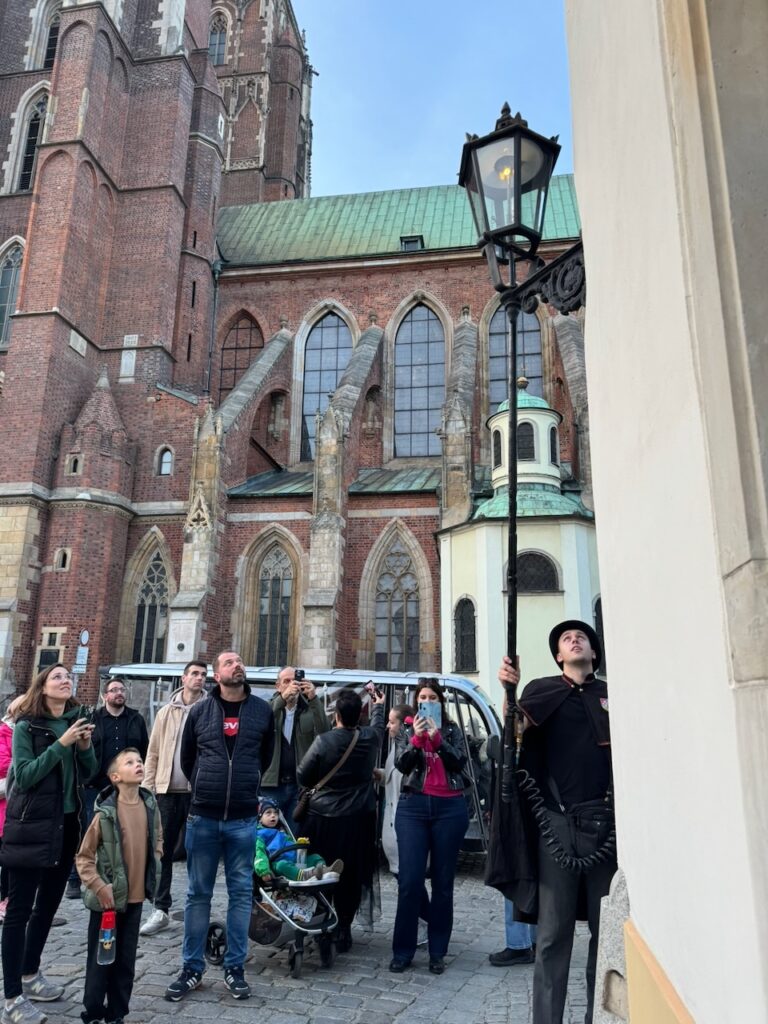
One of the unique experiences on Cathedral Island is seeing the lamplighter in action at twilight. Wrocław is one of the few cities in Europe where gas street lamps are still lit by hand every evening. The lamplighter, dressed in traditional attire, walks through the streets, lighting each lamp, creating a magical atmosphere.
Wrocław Dwarfs
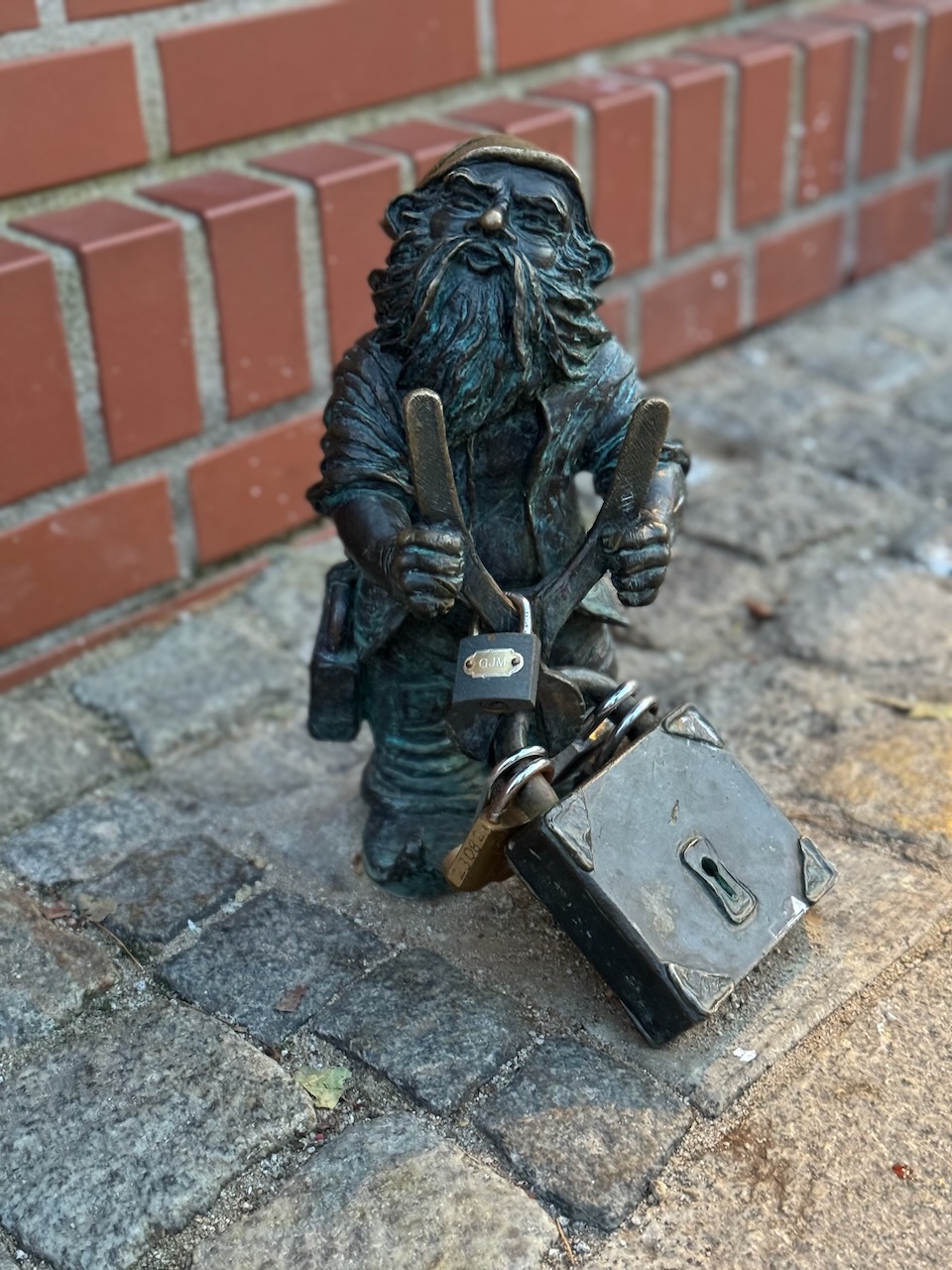
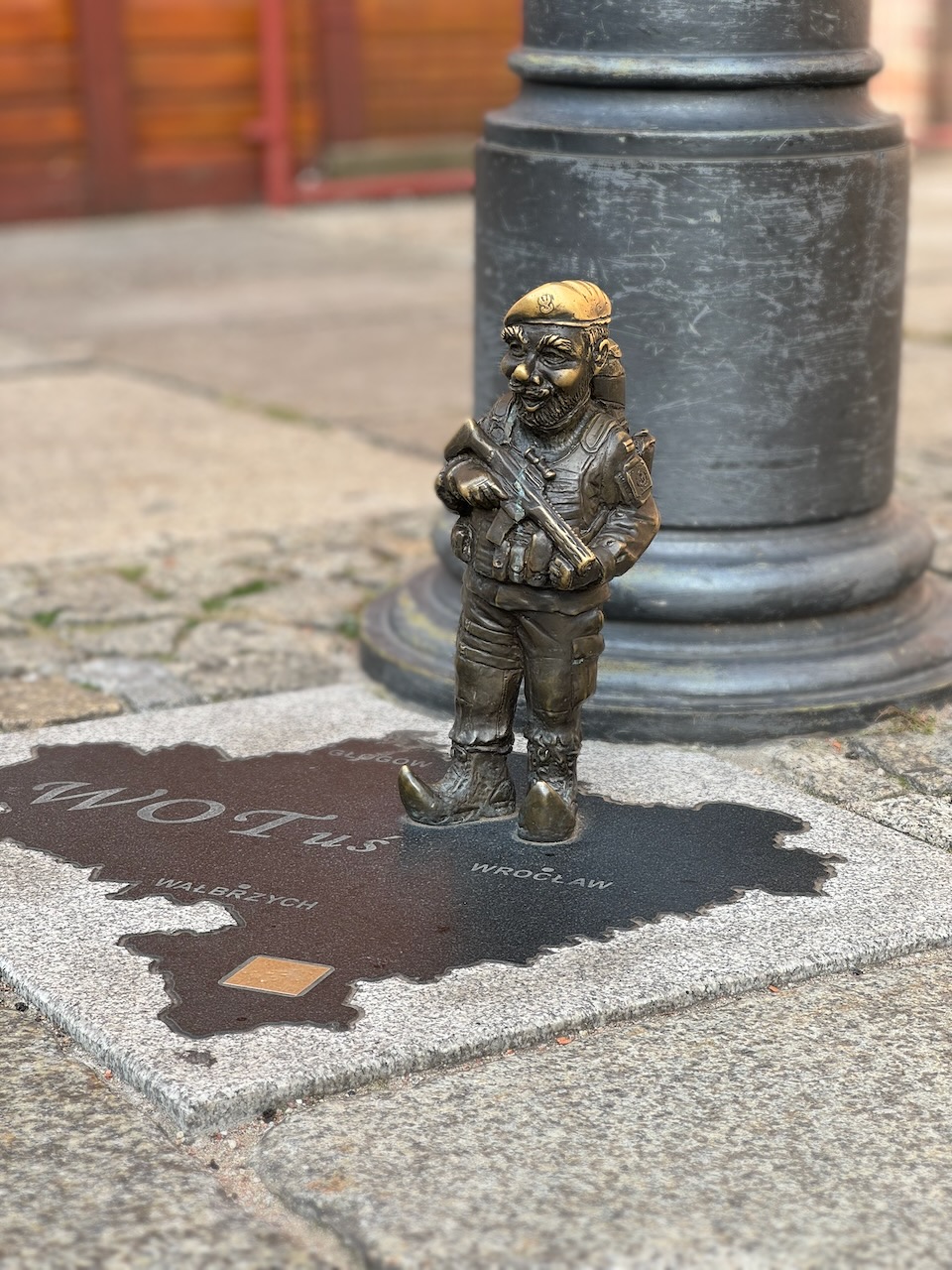
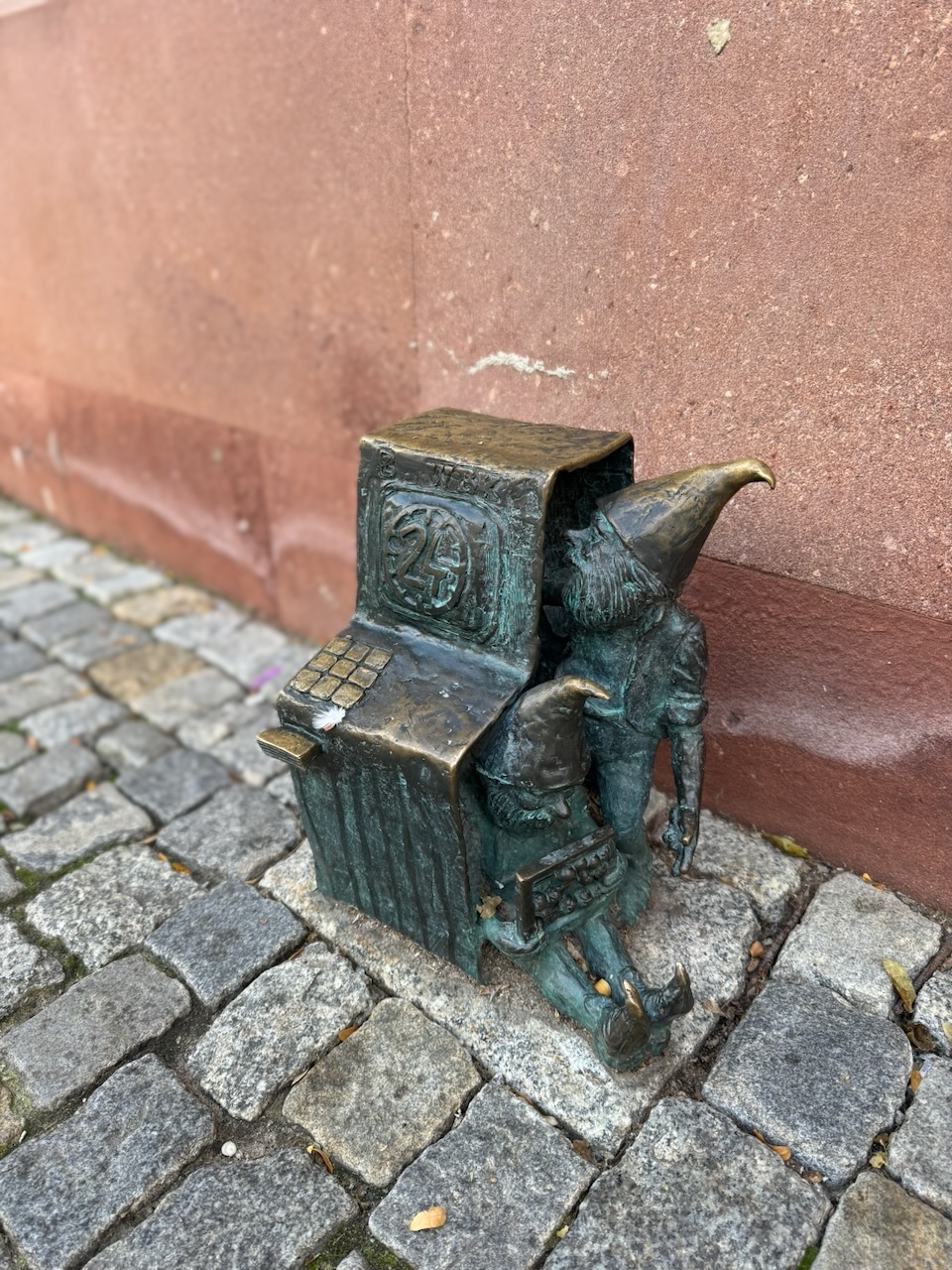
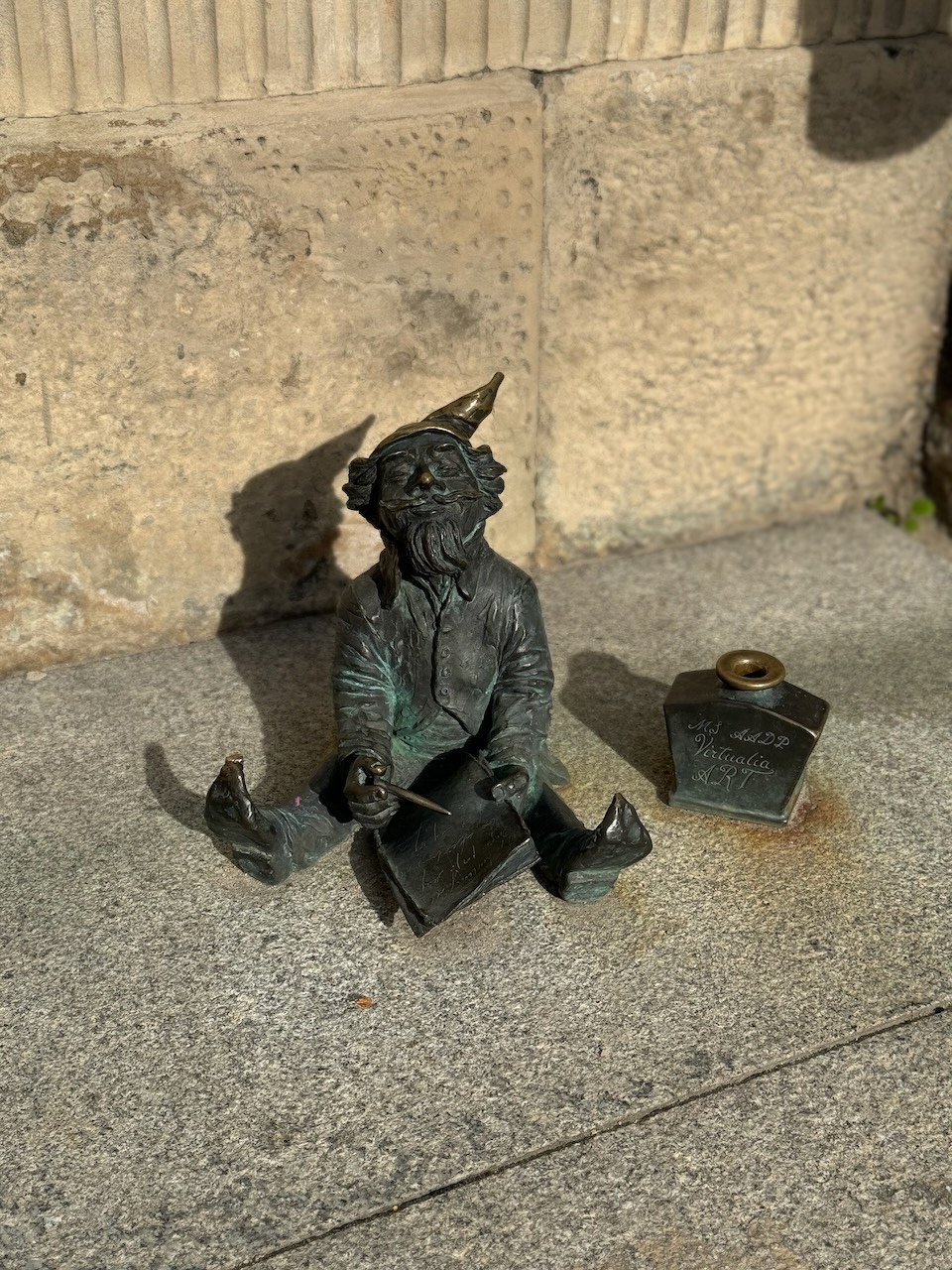
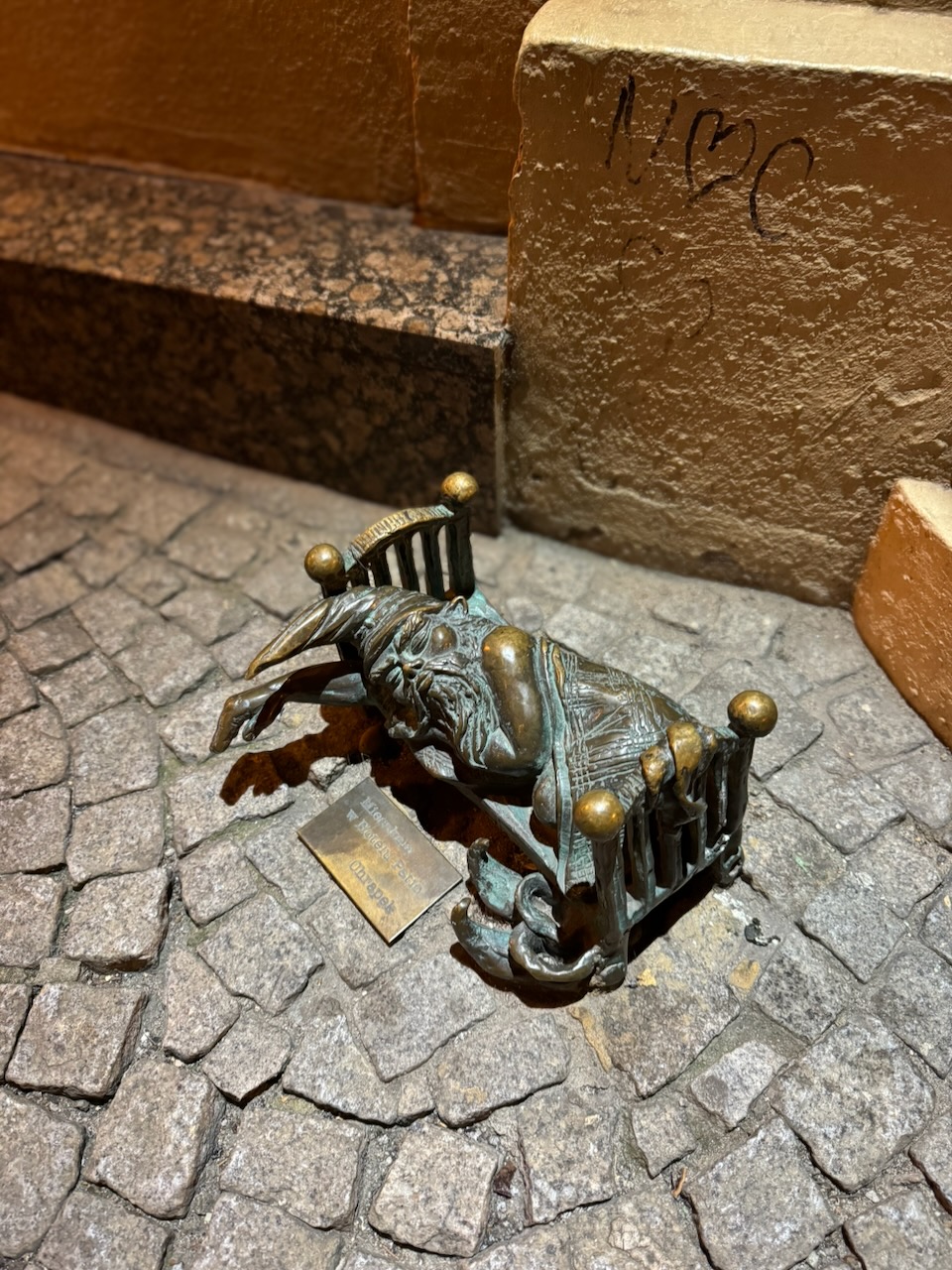
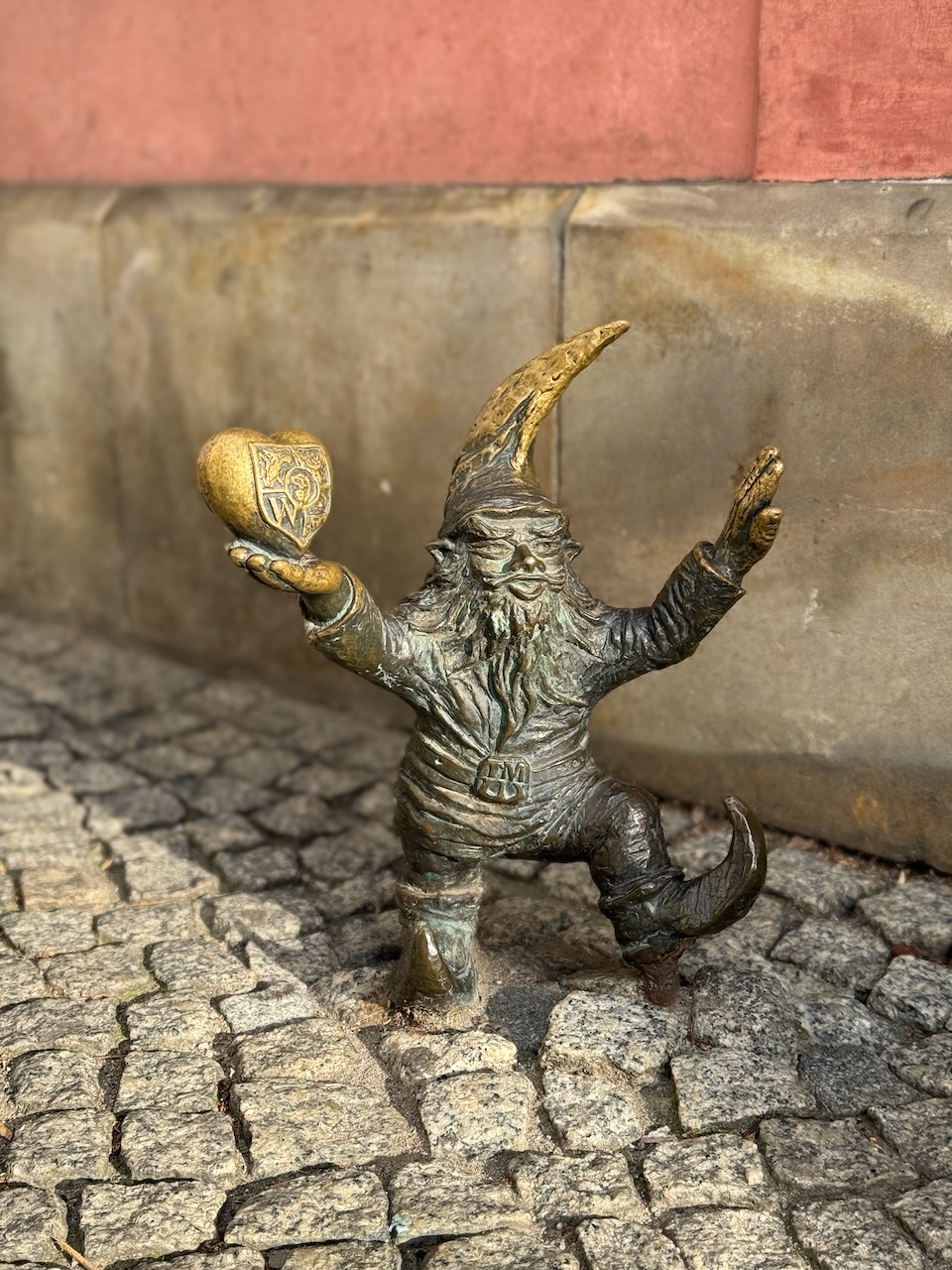
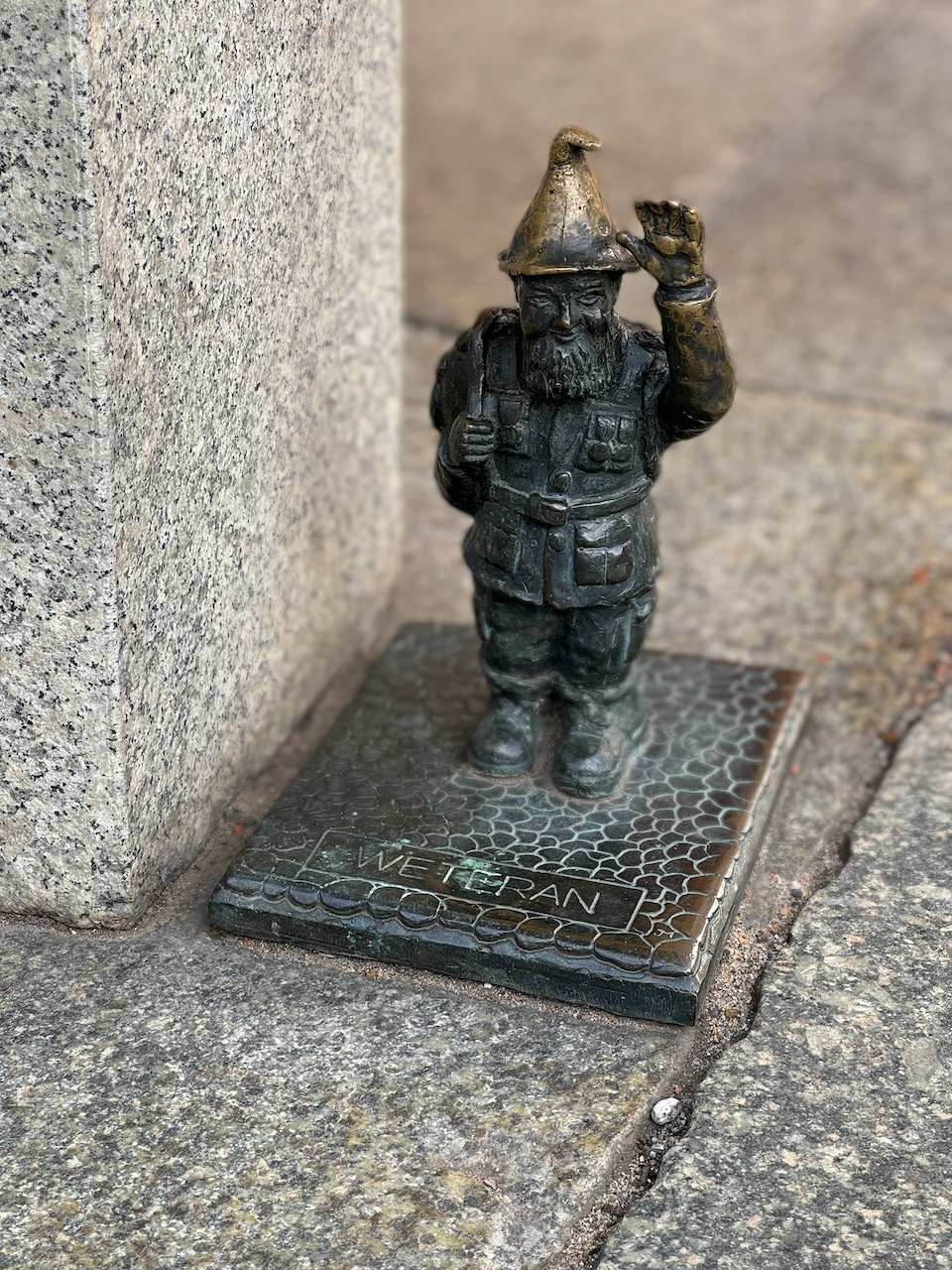
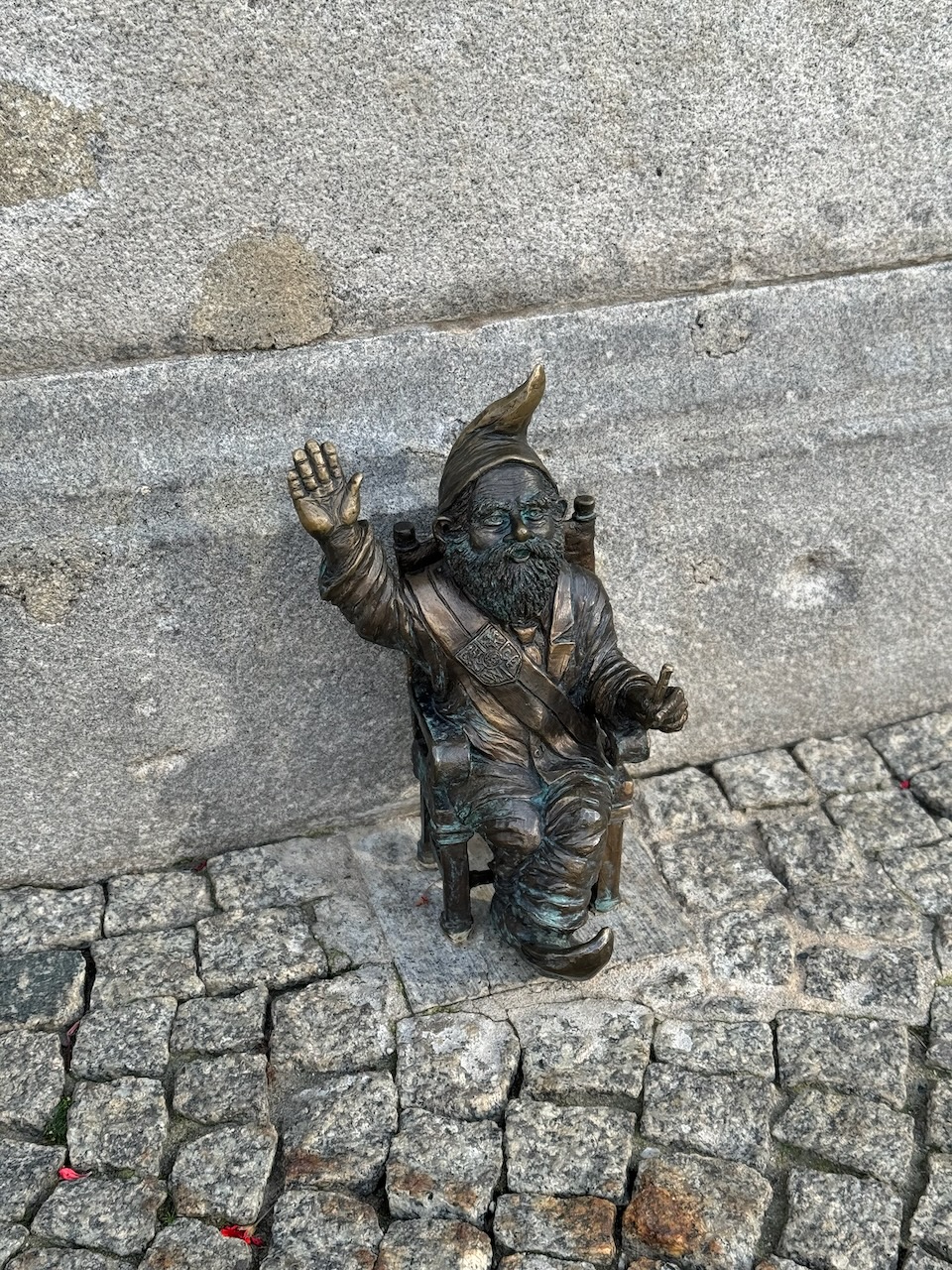
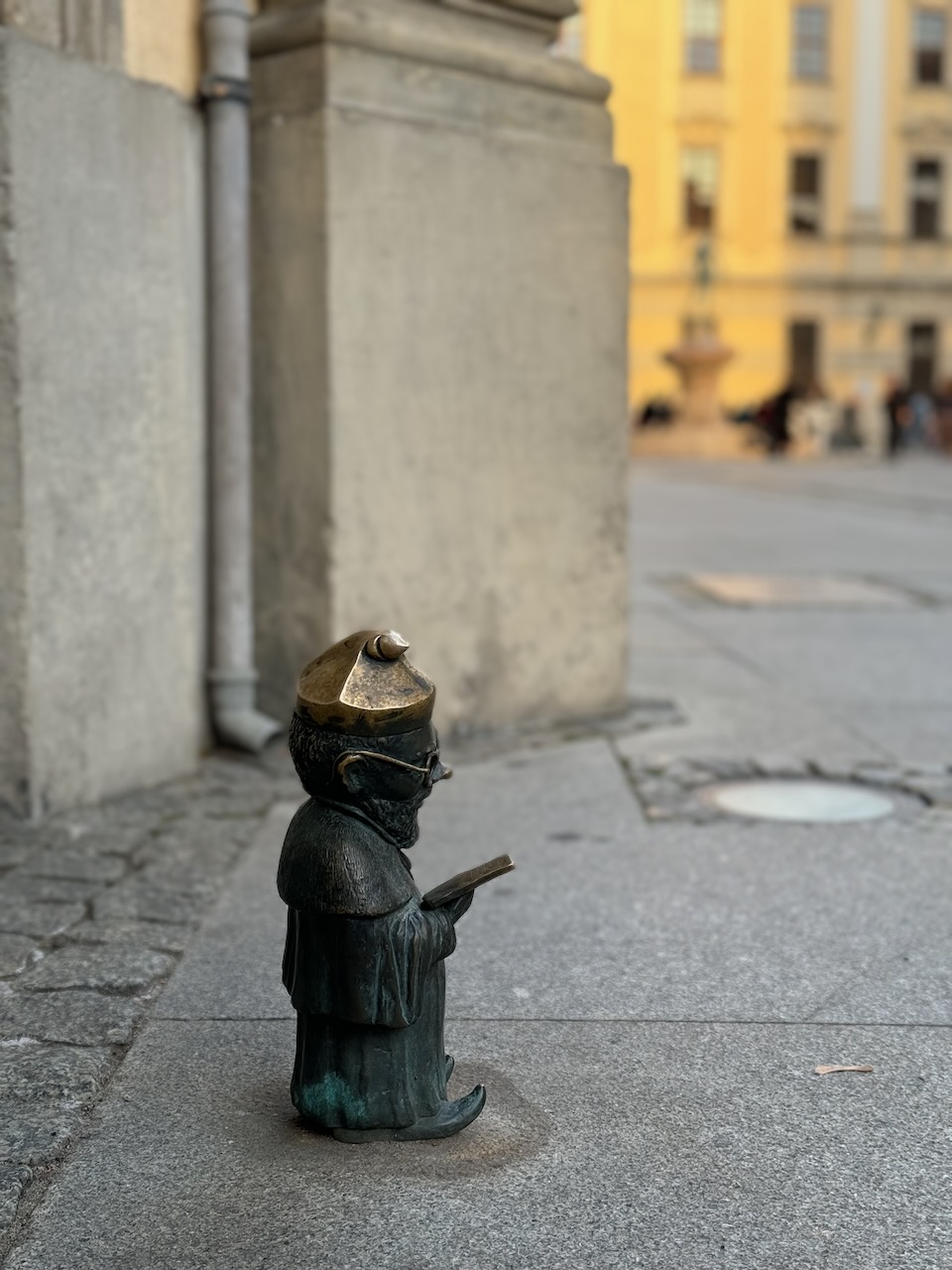
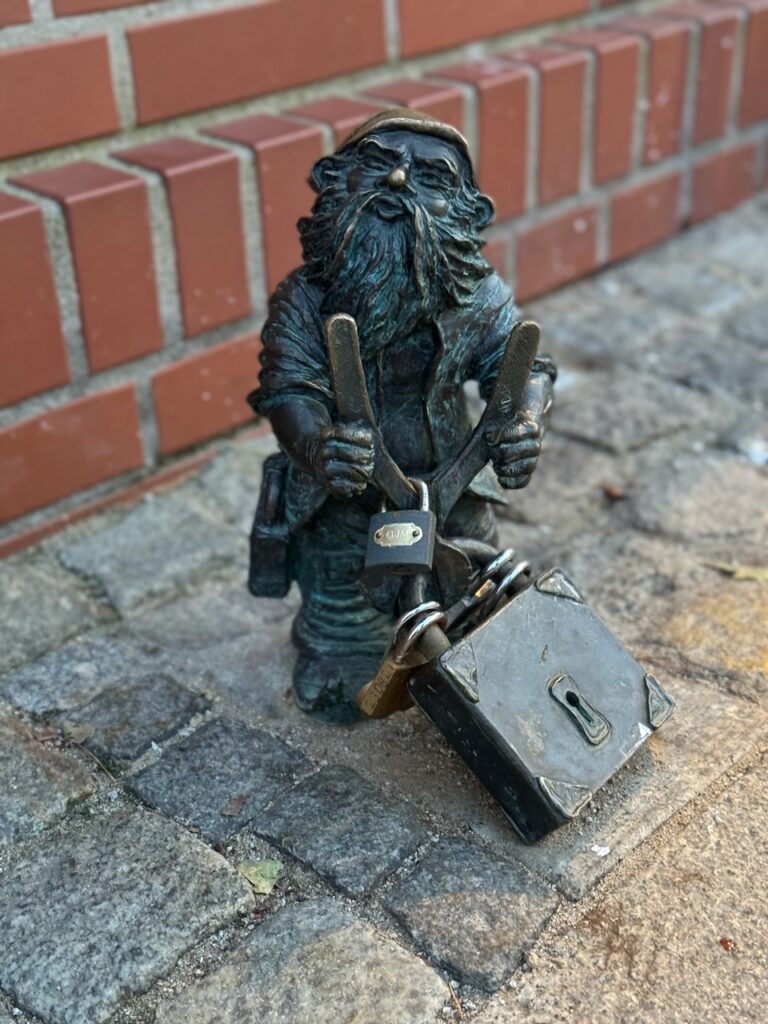
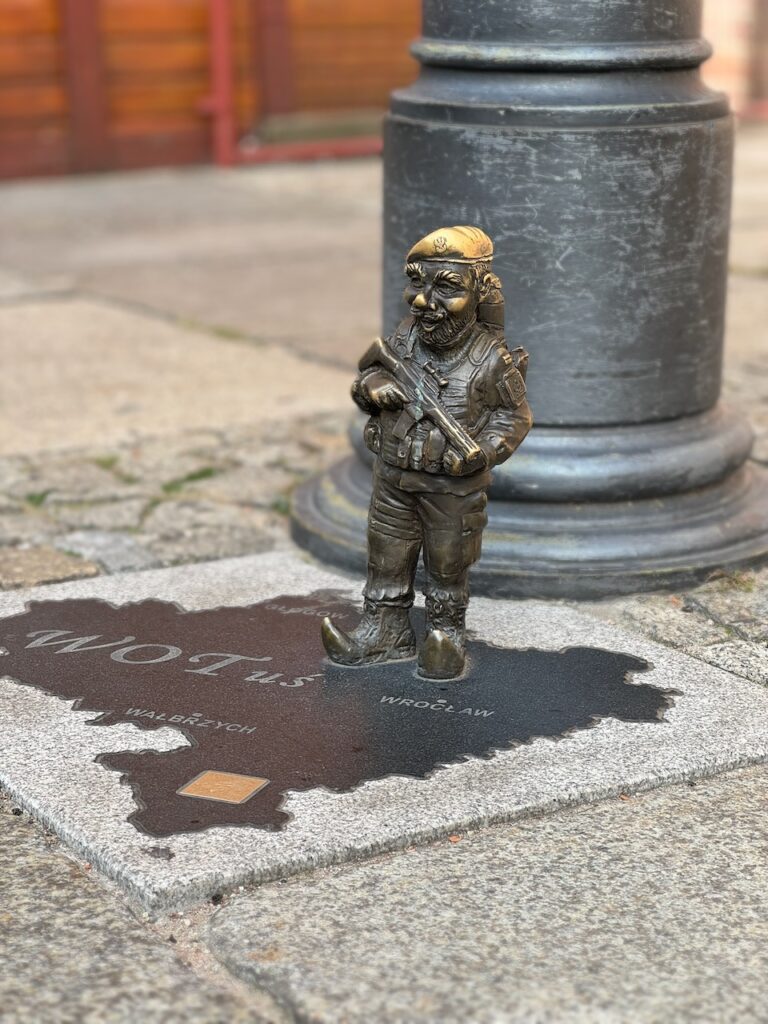
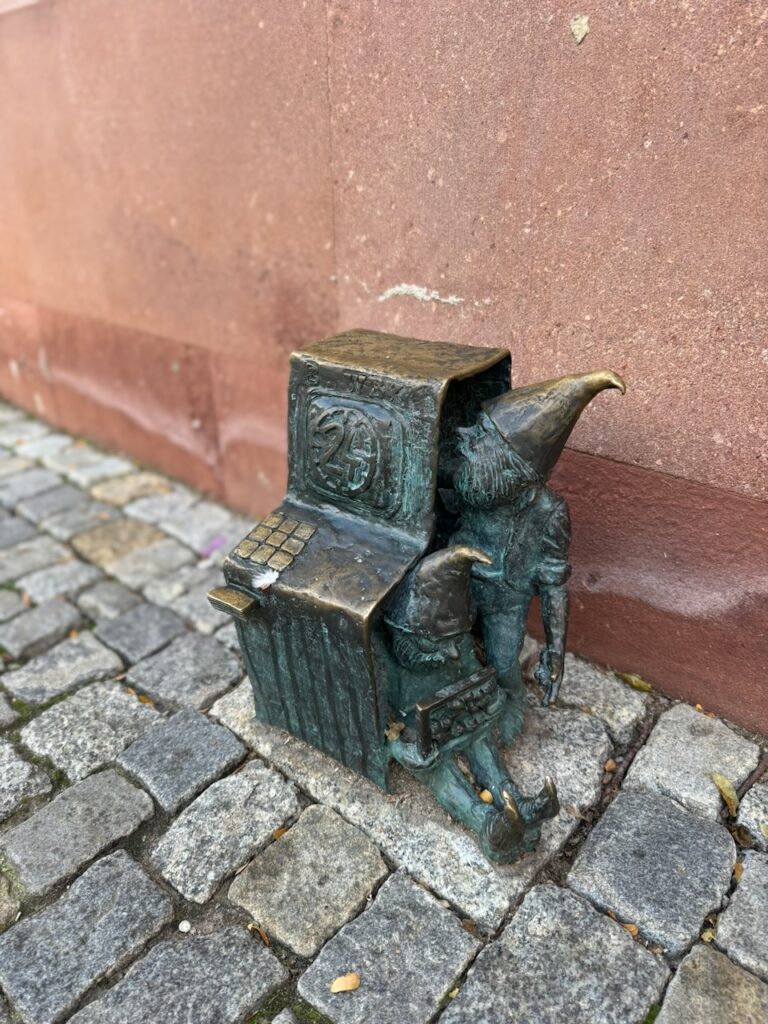
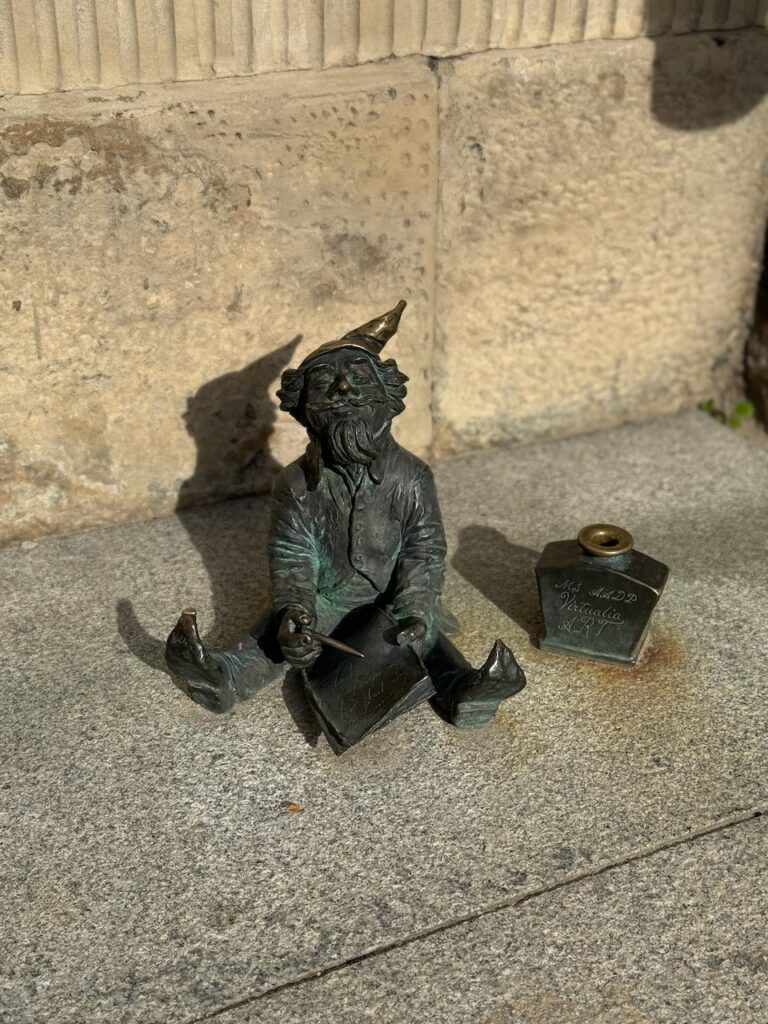
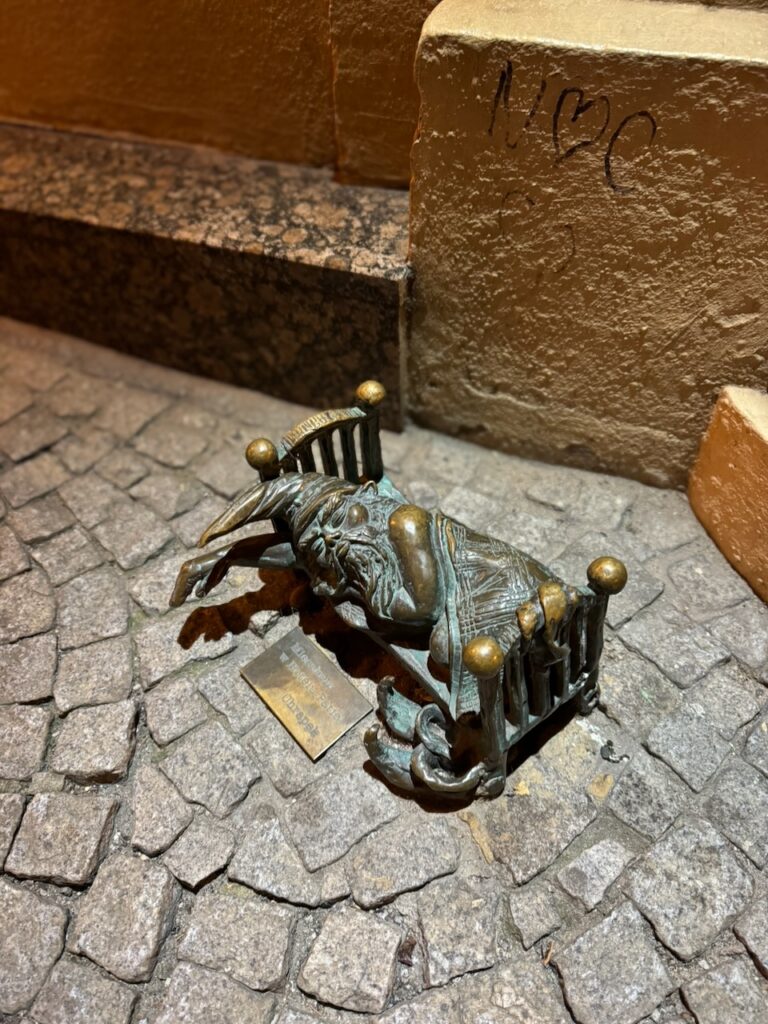
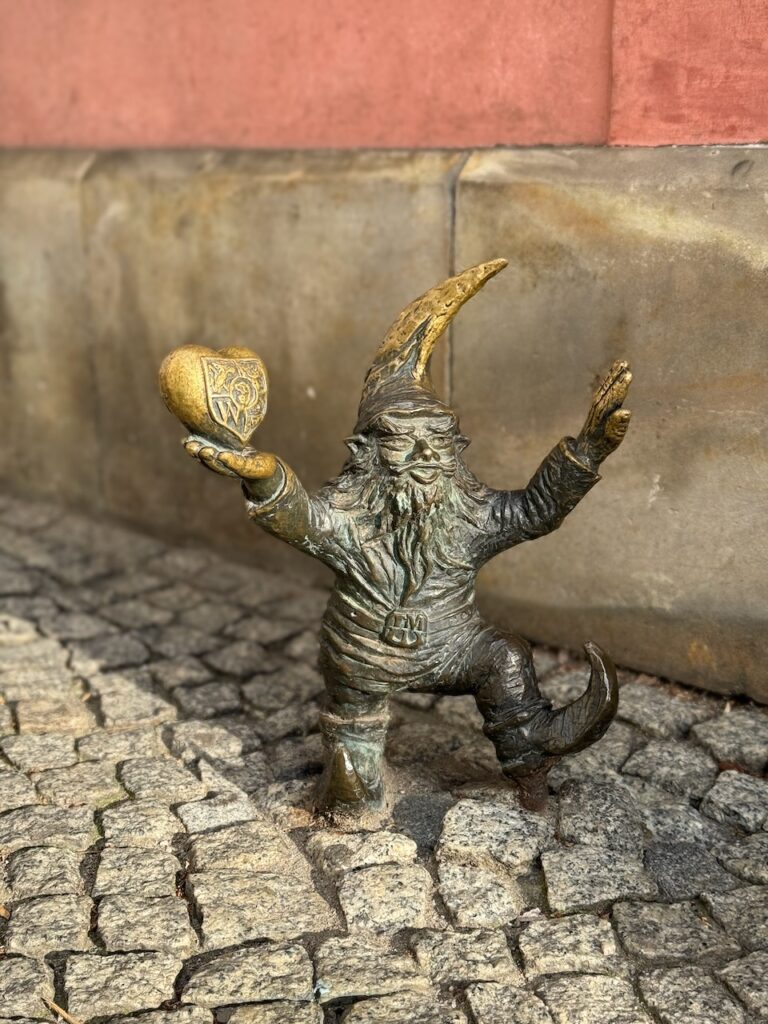
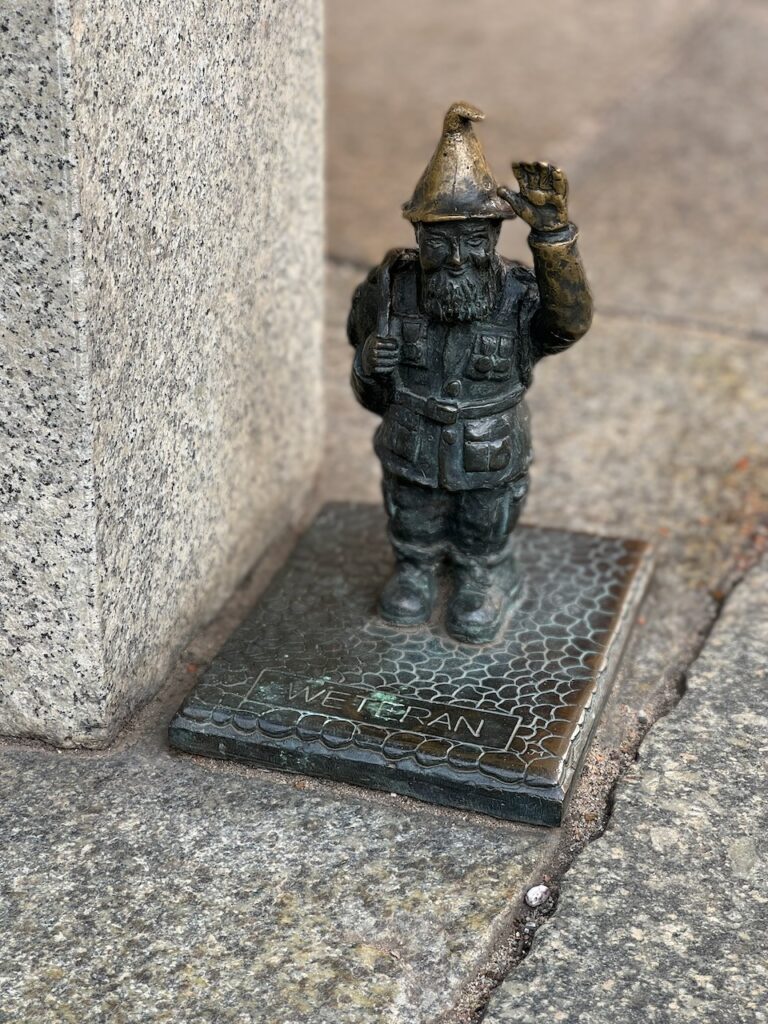
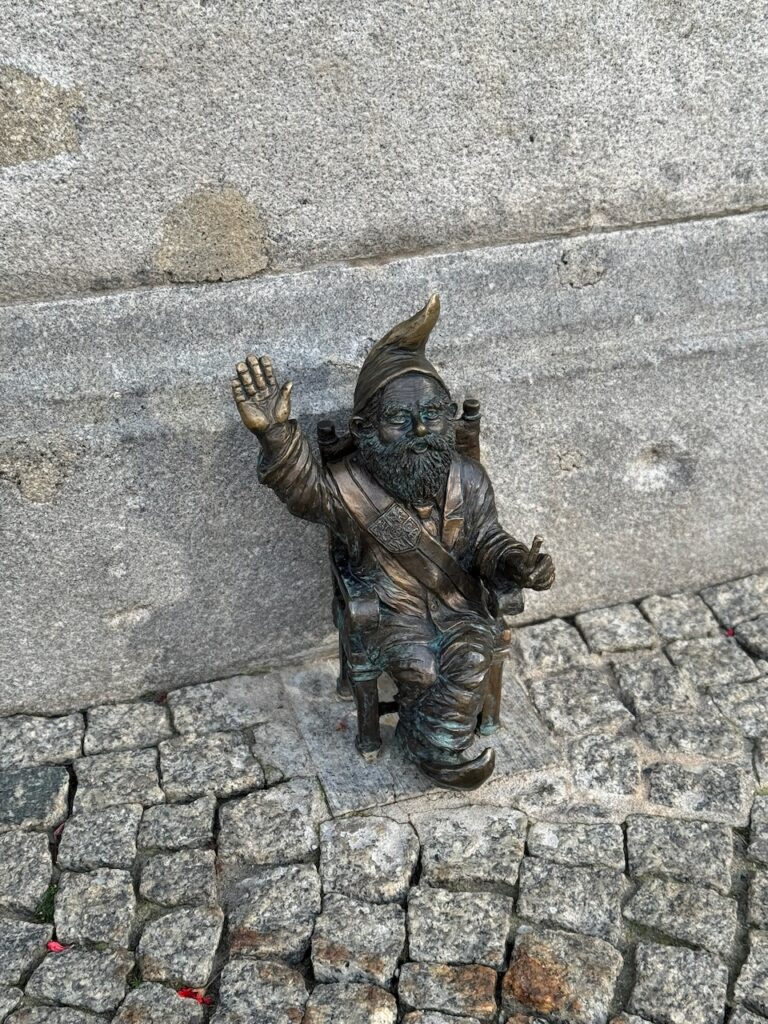
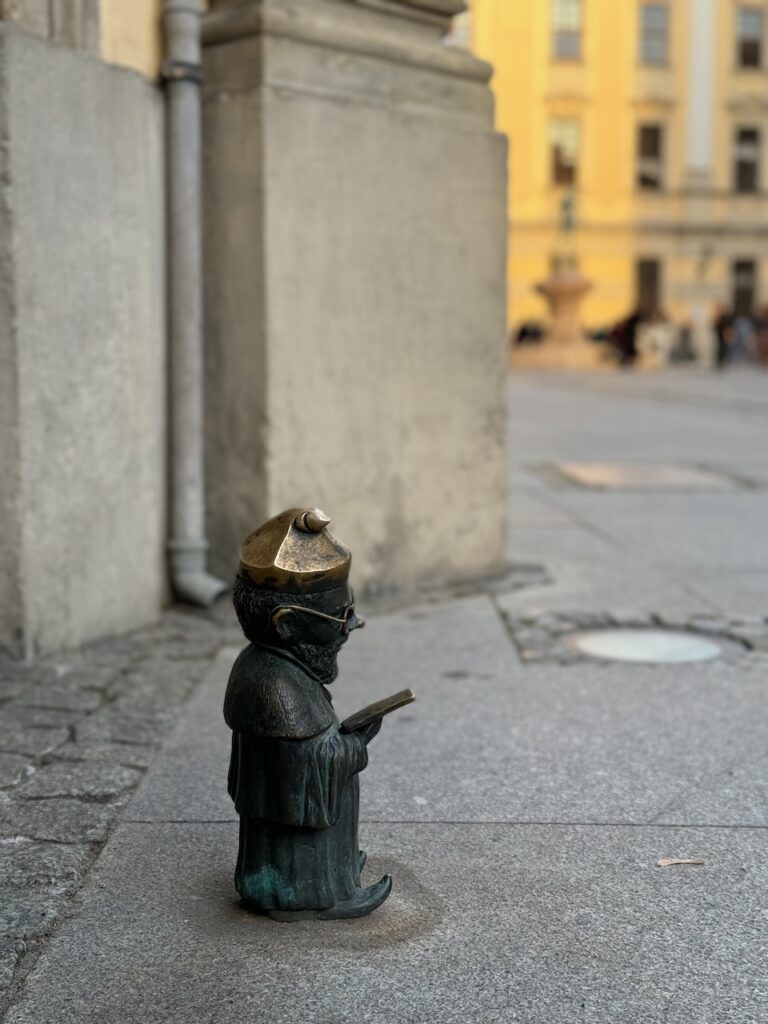
One of the most fascinating and whimsical attractions in Wrocław is its charming population of dwarfs, known as krasnale. These tiny bronze statues, each with its own unique character and story, have become an integral part of the city’s cultural landscape.
The story of Wrocław’s dwarfs dates back to the 1980s when Poland was under communist rule. The Orange Alternative, an anti-communist underground movement, used the dwarf as a symbol of peaceful protest against the oppressive regime.
The first bronze dwarf statue, Papa Dwarf, was unveiled in 2001 on Świdnicka Street to commemorate the Orange Alternative’s activities1. Since then, the dwarfs have multiplied, capturing the hearts of locals and tourists alike. As of now, there are over 600 dwarfs scattered throughout Wrocław, with new ones being added regularly.
Hunting for Wrocław’s dwarfs is a popular activity for both tourists and locals, turning city exploration into a delightful treasure hunt.
Other Attractions in Wroclaw
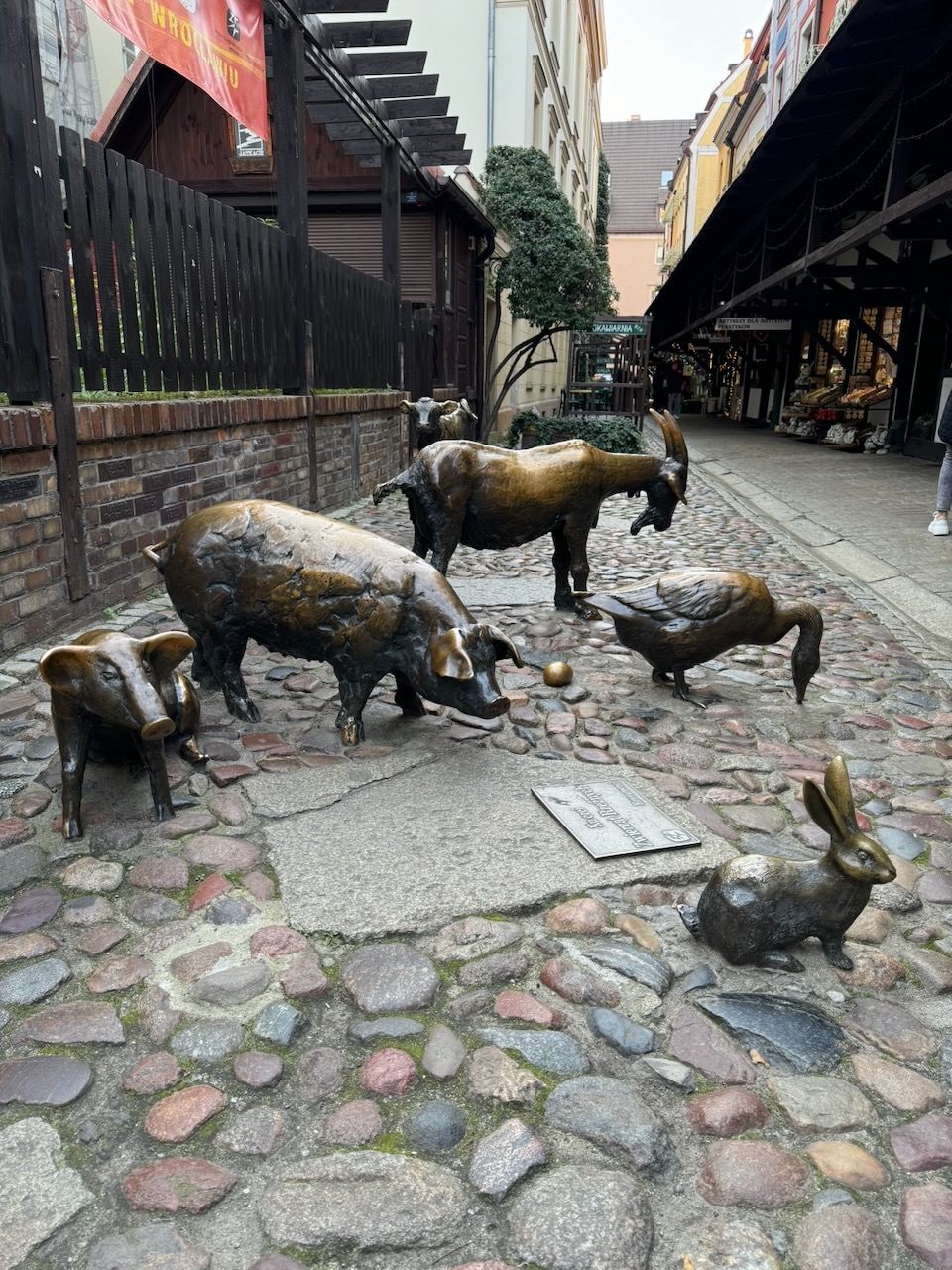
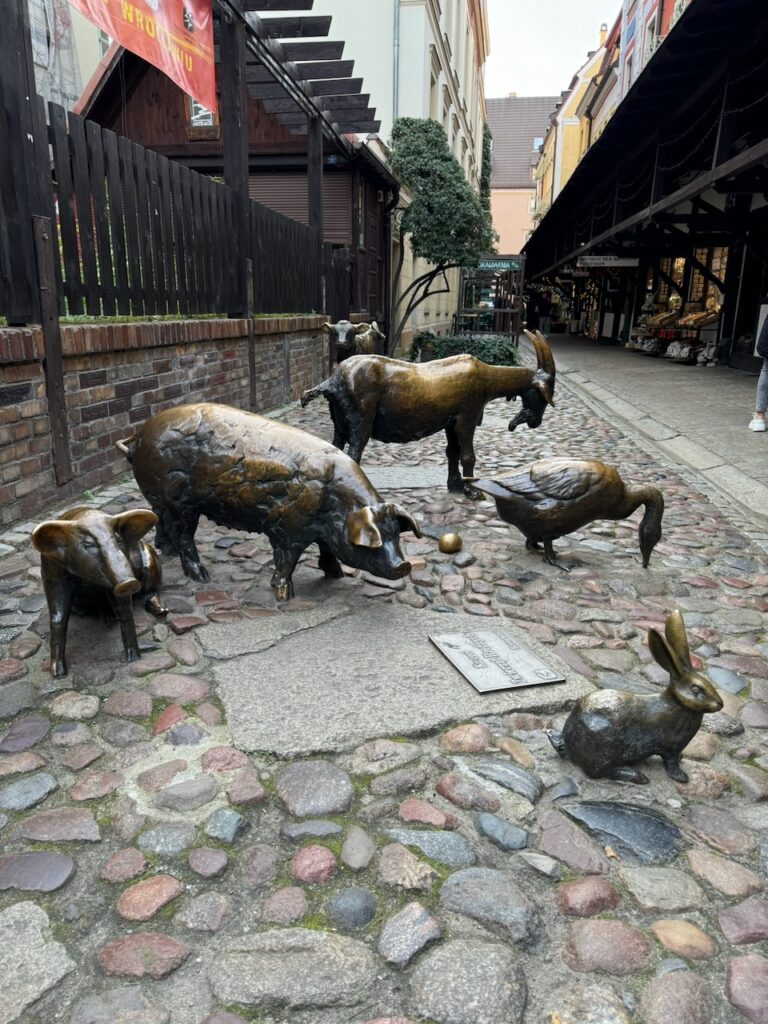
Stare Jatki, or the Old Butchers’ Stalls, is a historic street established in 1242, lined with picturesque buildings that now host art galleries and craft shops. A notable feature is the Monument to Slaughtered Animals, a sculpture honoring the animals once sold here, making it a popular photo spot.
Nearby, Salt Market Square (Plac Solny) is another historic square, originally a salt trading hub. It features beautiful Baroque and Art Nouveau buildings and is known for its vibrant flower market, along with several cafes where you can relax and enjoy the atmosphere.
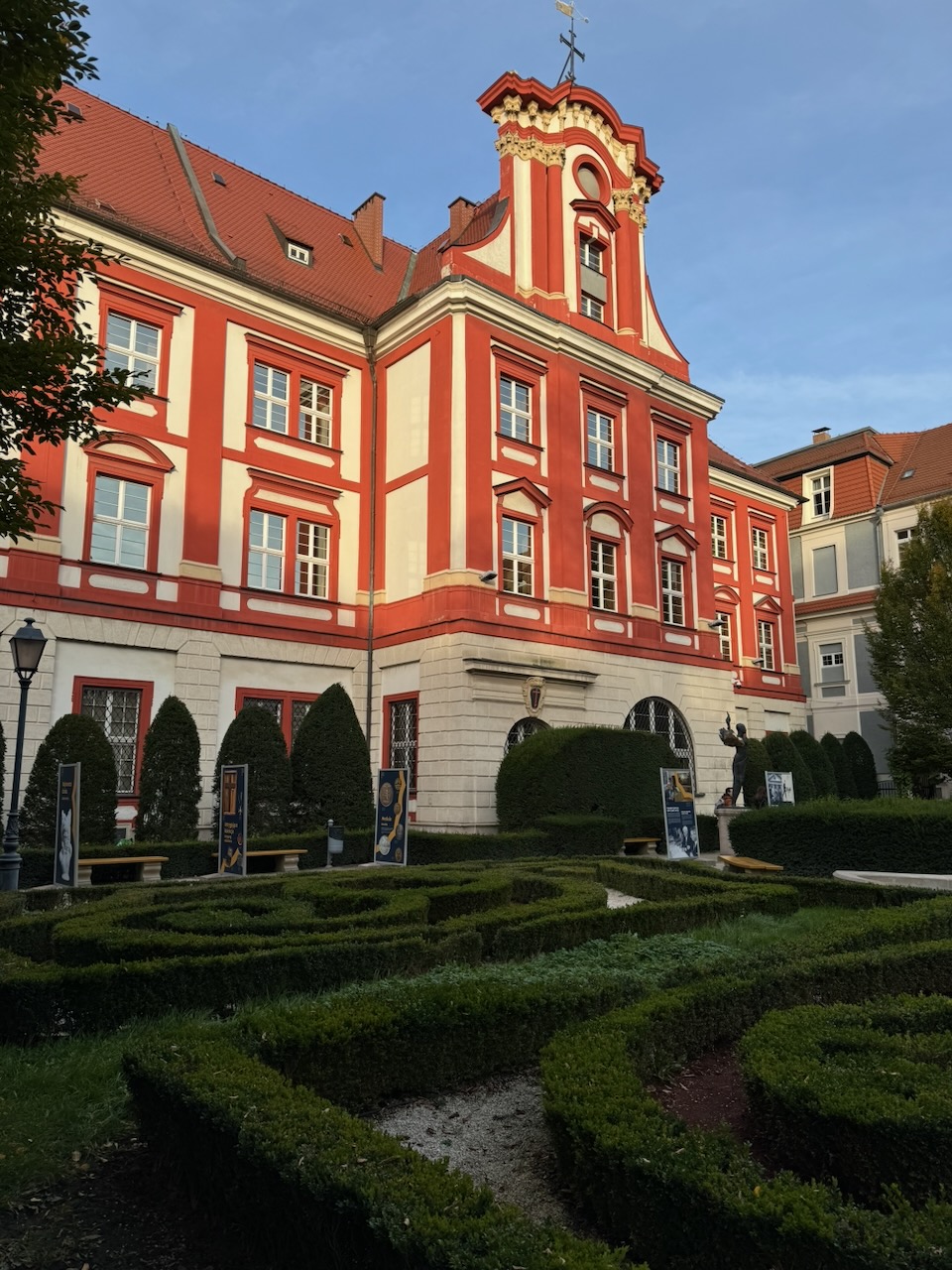
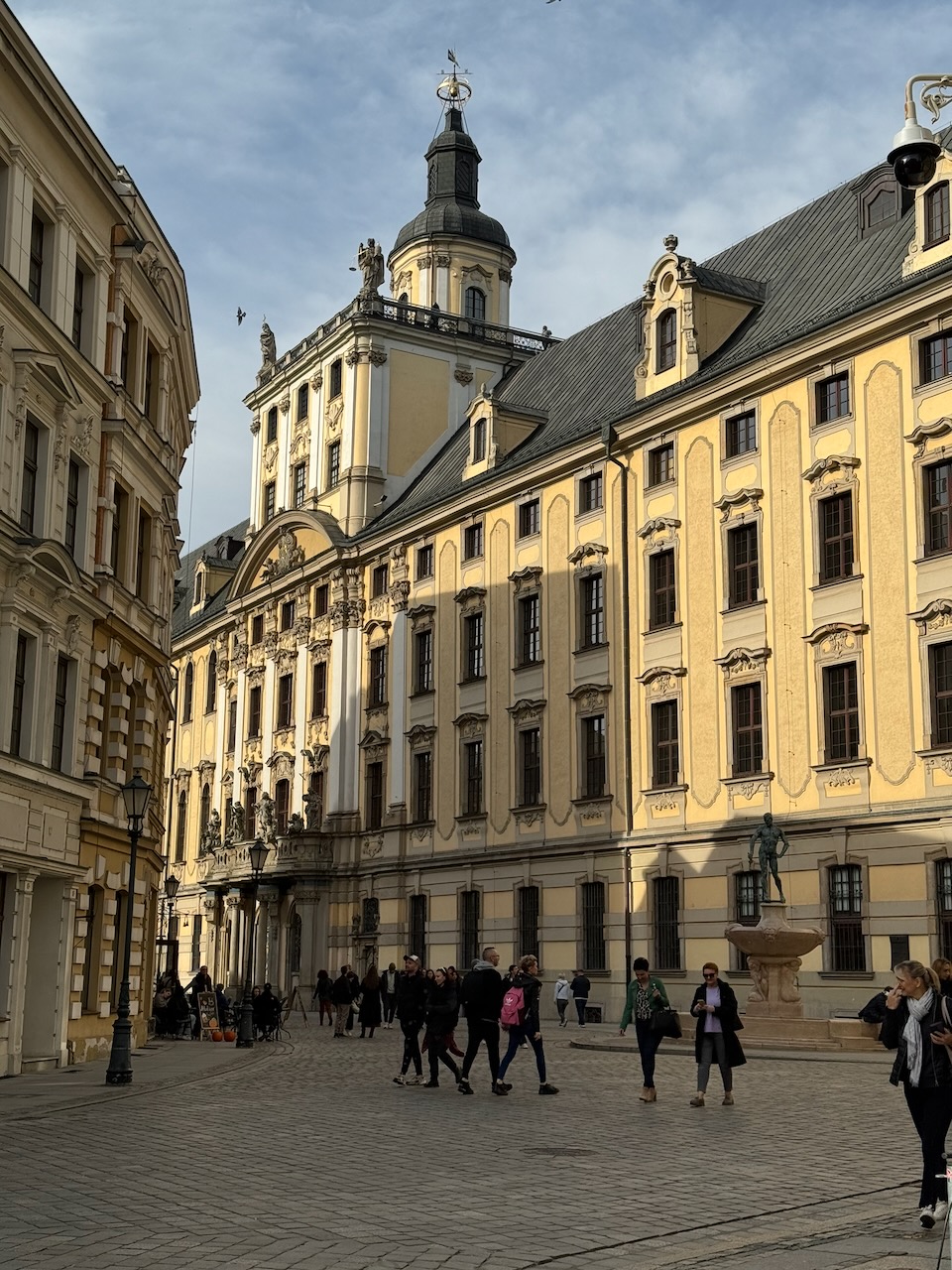
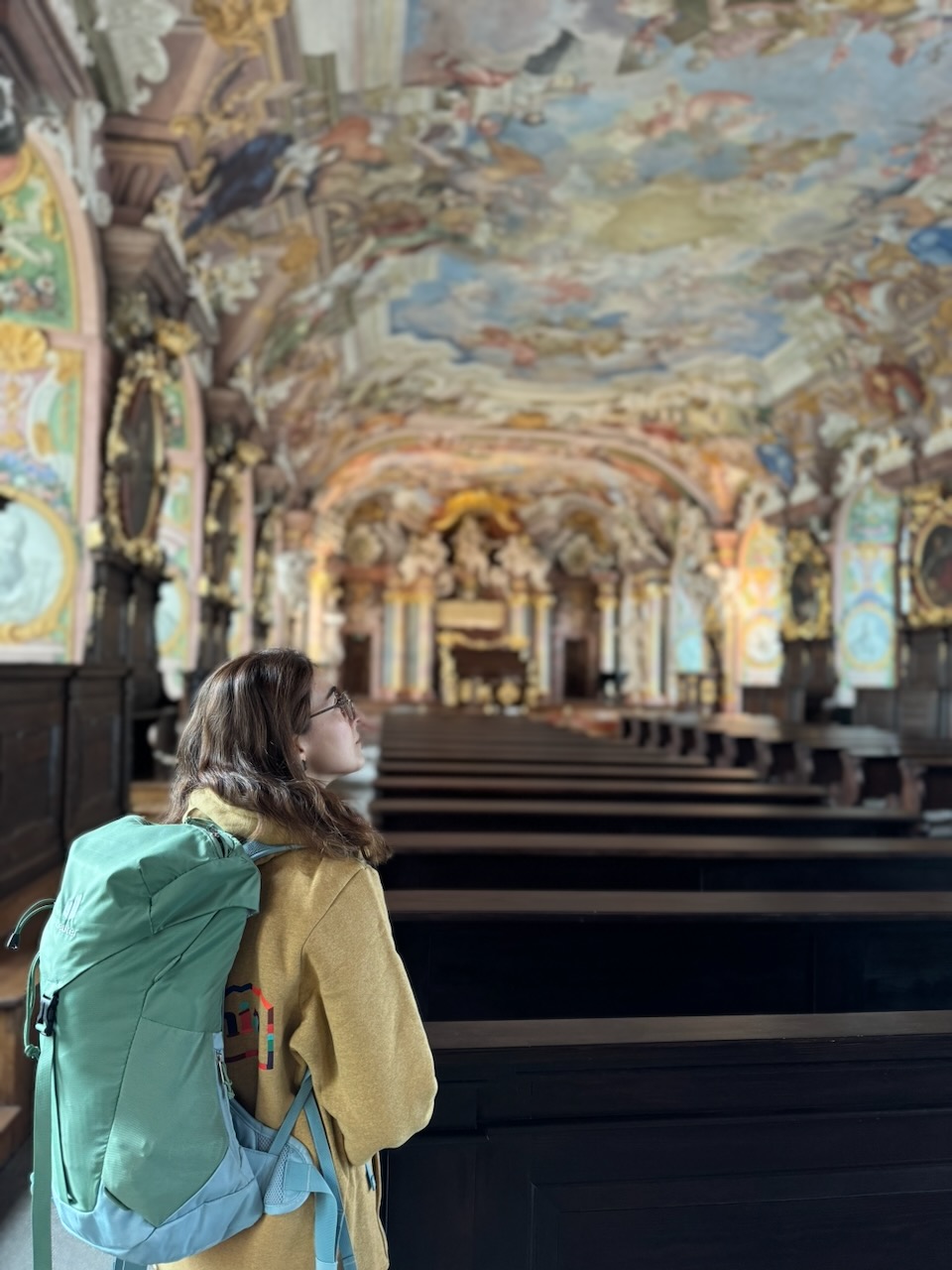
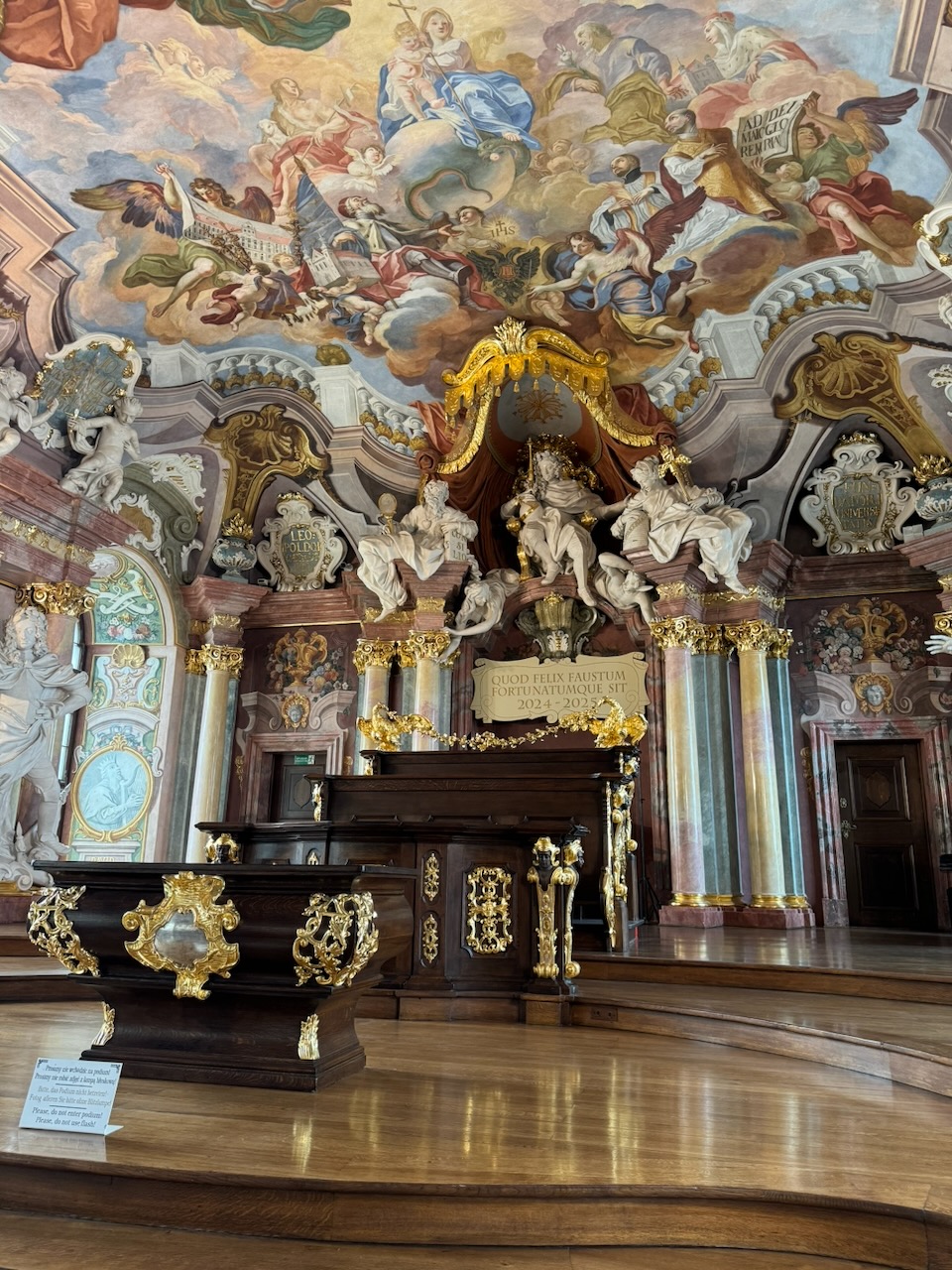
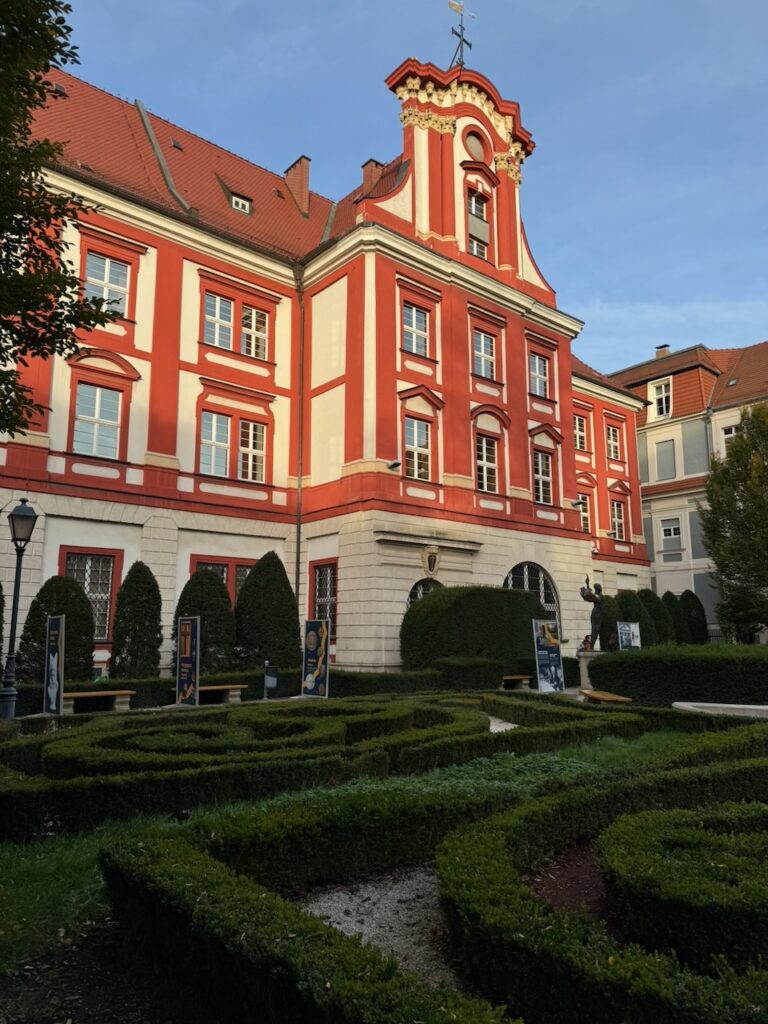
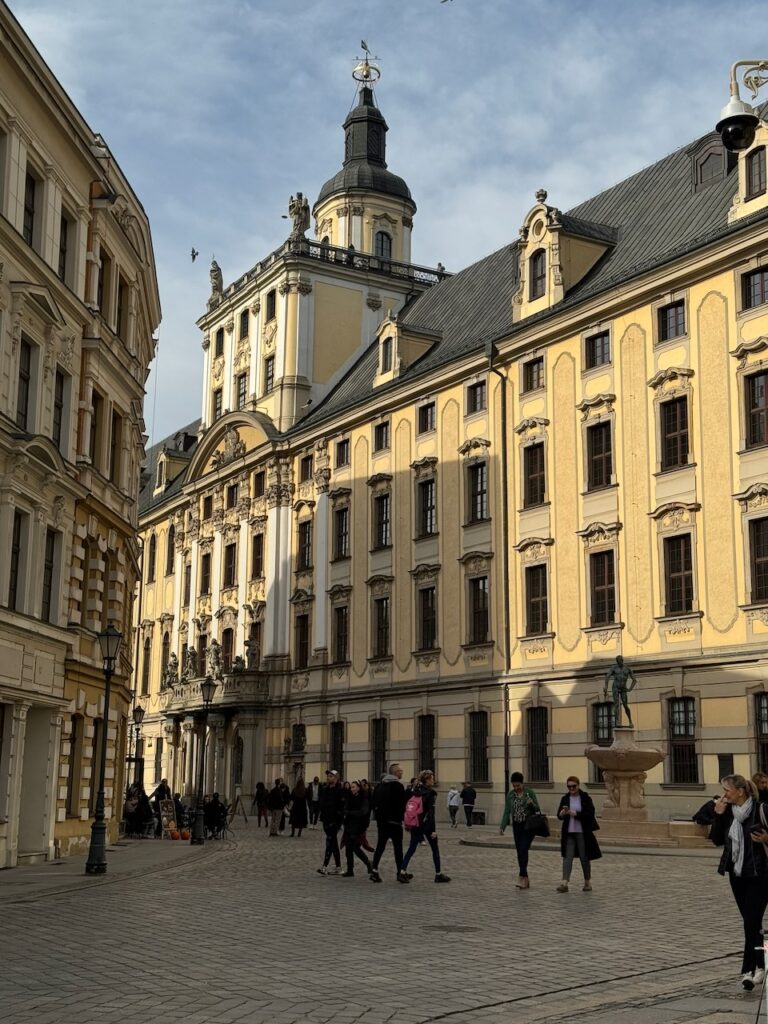
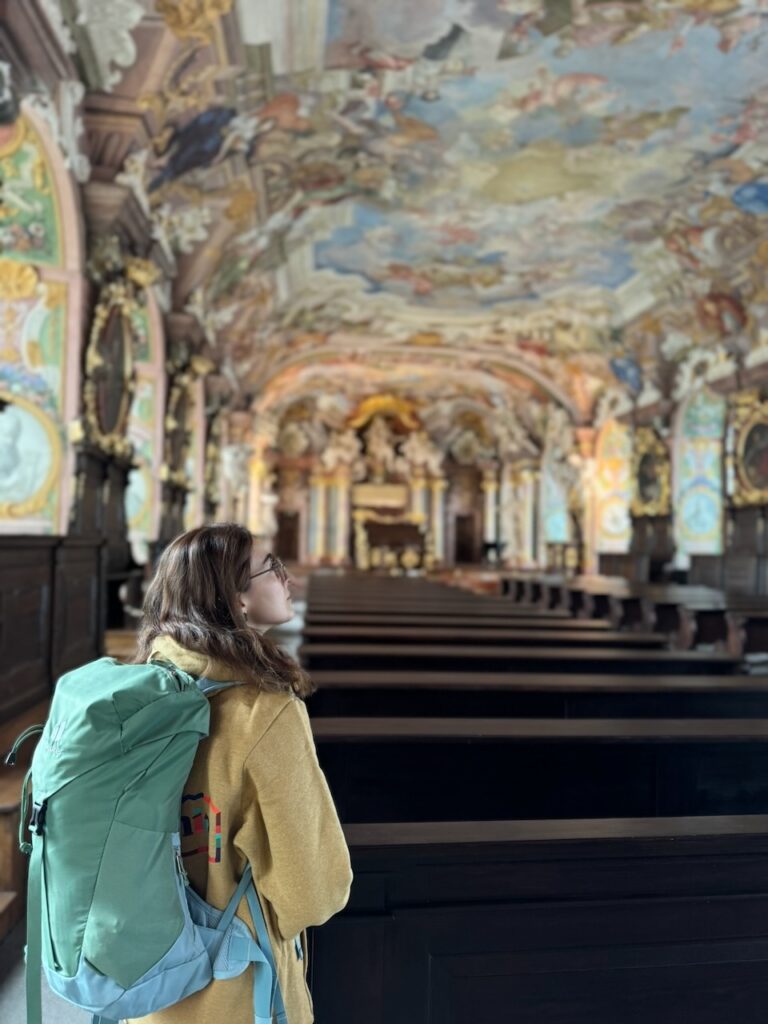
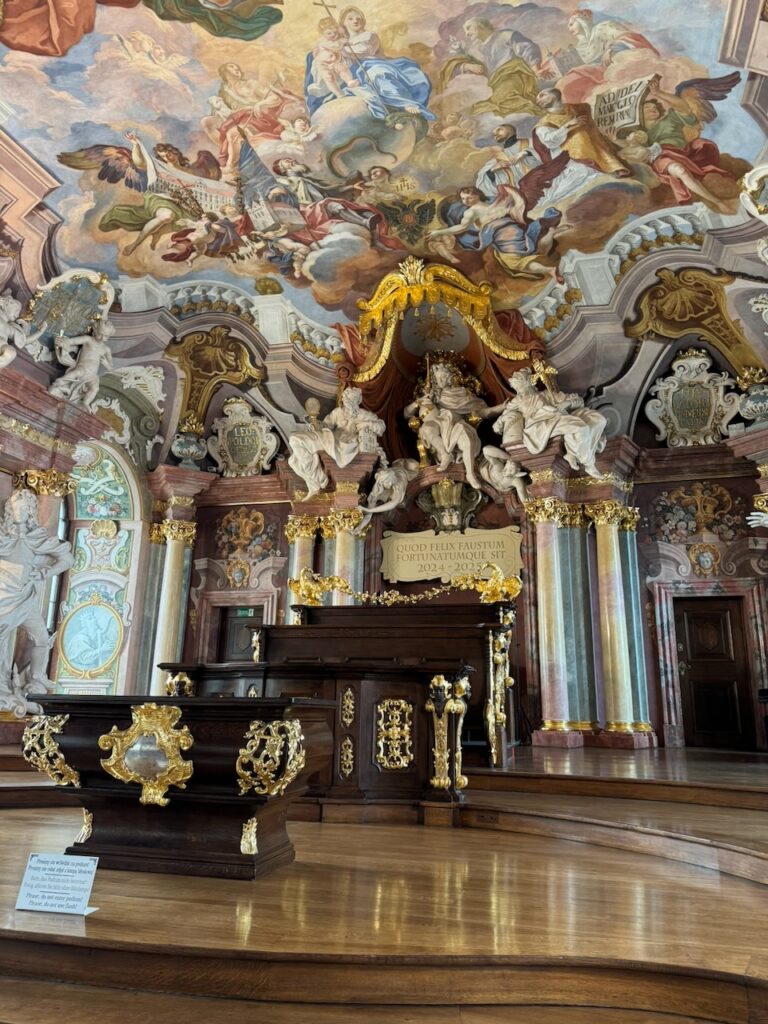
The University of Wrocław, founded in 1702, showcases stunning Baroque architecture. Highlights include the ornate Aula Leopoldina ceremonial hall and the Mathematical Tower, which offers panoramic views of the city. The university’s museum provides fascinating insights into its history and scientific contributions.
Where to eat in Wroclaw?
Wrocław’s food scene is truly remarkable. Here are a few of the most outstanding places we had the pleasure of trying during our stay in this charming town!
Restauracja Konspira
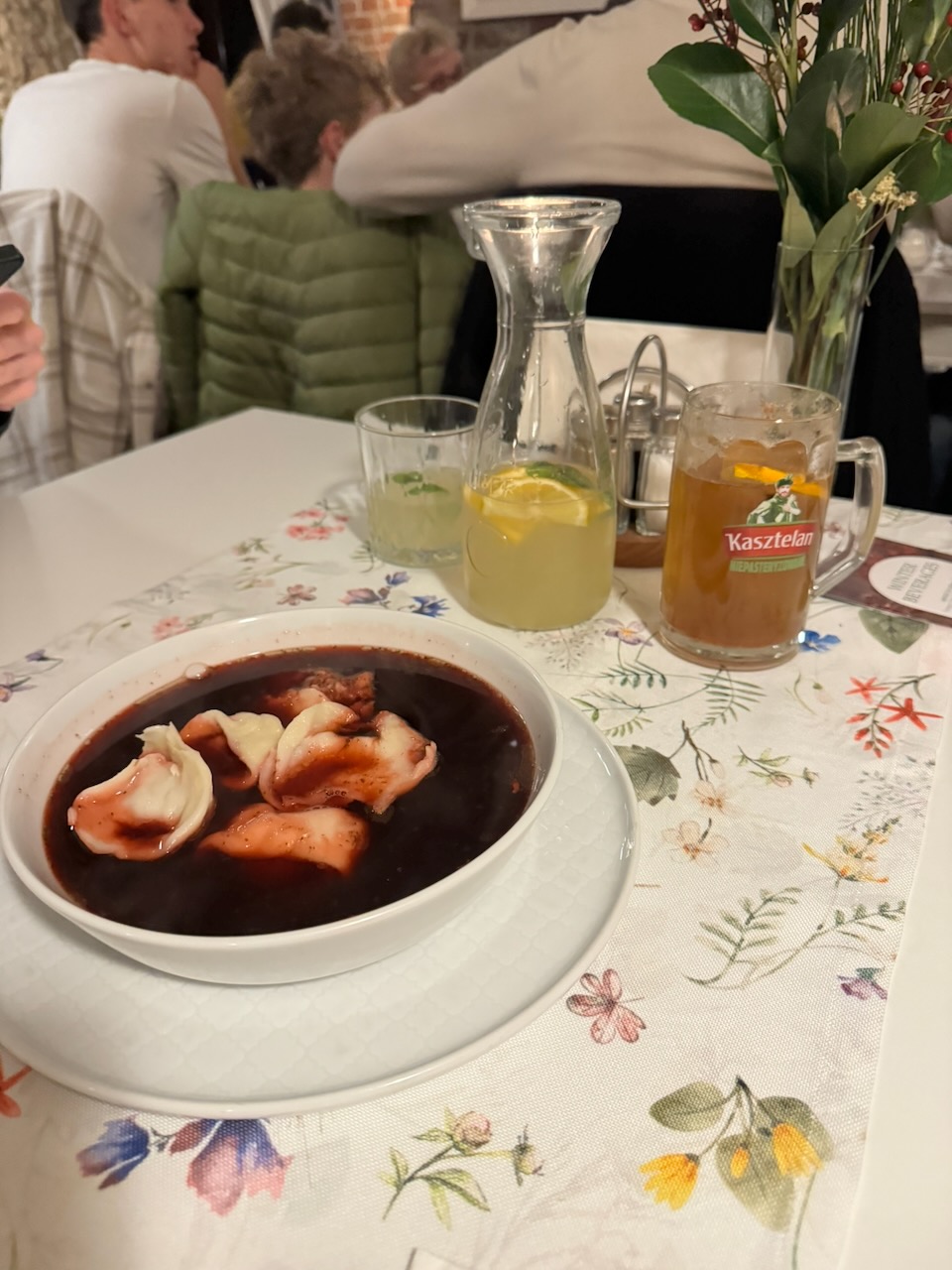
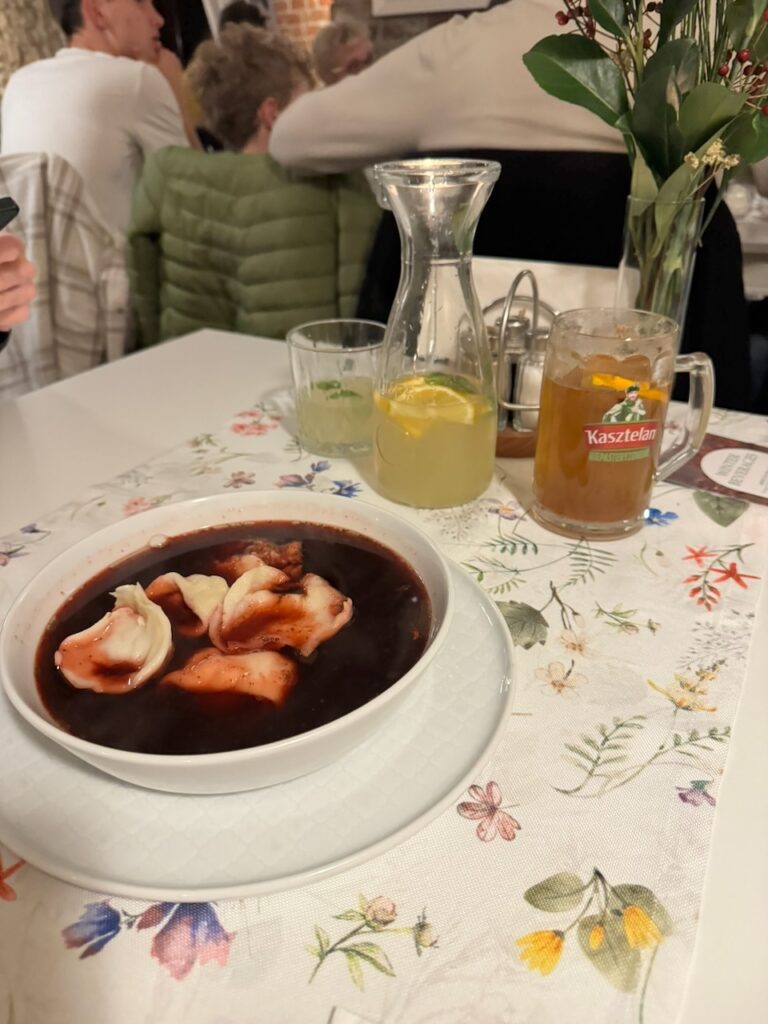
This restaurant is not only known for its delicious Polish cuisine but also for its historical theme, celebrating the Solidarity movement. Try the soup served in a bread bowl and the hearty pierogi.
Piwnica Świdnicka
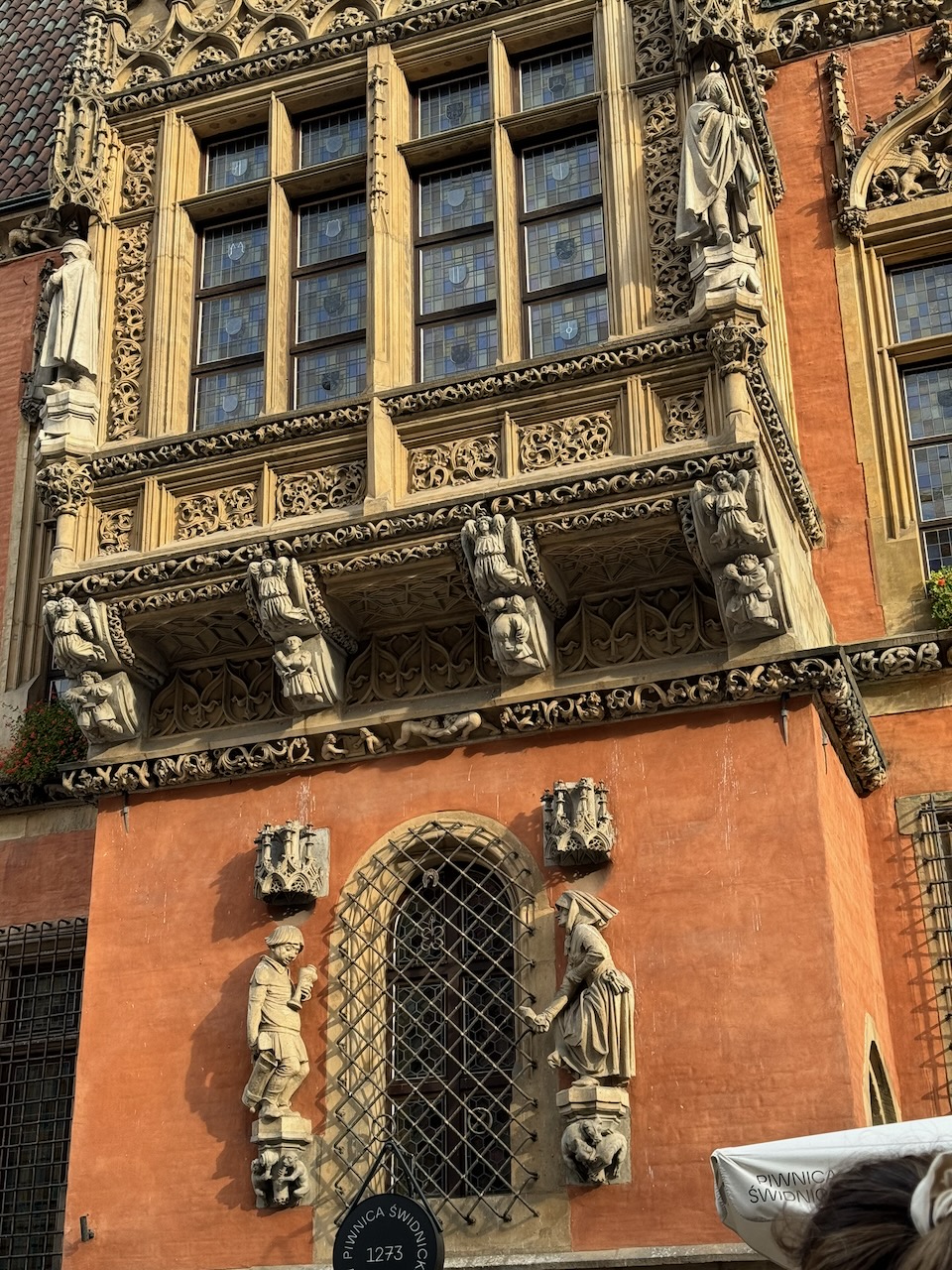
Located in the cellars of the Old Town Hall, this is one of the oldest restaurants in Europe. It offers traditional Polish dishes like goulash and pork knuckle in a historic setting. Our tour guide highly recommended it, but unfortunately, we couldn’t make it there. Definitely something to try next time.
Pierogarnia Stary Młyn
If you’re looking to sample the best pierogi in Wrocław, look no further than Pierogarnia Stary Młyn. Conveniently located right at the Market Square, opposite the Town Hall, this restaurant is a must-visit for anyone wanting to experience authentic Polish dumplings.
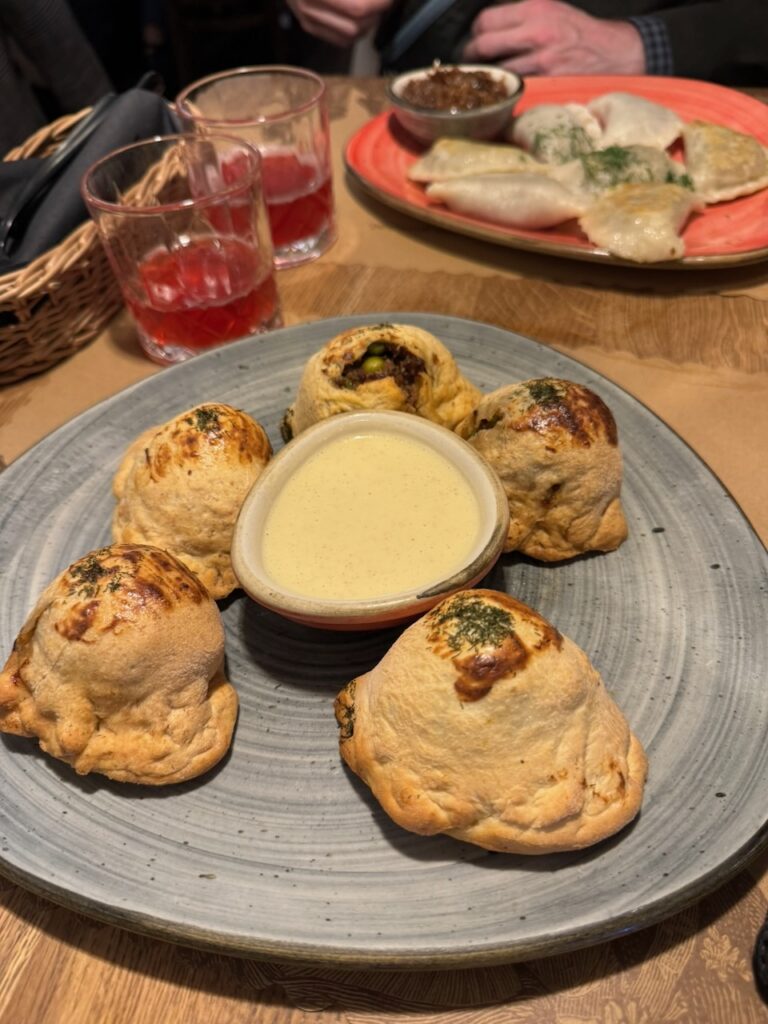
Pierogarnia Stary Młyn specializes in a variety of pierogi, offering fried, steamed, and baked options with an array of delicious fillings. Whether you prefer savory or sweet, there’s something for everyone. We tried several different kinds and were blown away by the flavors and quality. Honestly, we haven’t had better pierogi anywhere else in Poland.
The prices are very reasonable, making it a great spot for a hearty meal without breaking the bank. Be prepared for a bit of a wait, especially during lunchtime, but the turnover is quick, and you’ll get a seat before you know it. The wait is definitely worth it!
Our local guide highly recommended Pierogarnia Stary Młyn to us, and it did not disappoint. I still dream about those dumplings! If you’re in Wrocław, make sure to stop by and indulge in some of the best pierogi you’ll ever taste. Highly recommended!
Młoda Polska Bistro & Pianino
One of the places I had on my list to visit was Młoda Polska Bistro & Pianino at Plac Solny. This bistro is known for its delightful ambiance and live piano music, making it a perfect spot for a cozy evening. Unfortunately, we couldn’t get a reservation, and without one, we weren’t allowed to go in. It’s definitely something to try next time, as I’ve heard great things about their menu and the overall experience.
Coffee and Sweets in Wrocław
Here are some of the coffee and sweets places you shouldn’t miss:
- Al Paczino at Plac Solny: This donut shop comes highly recommended for its delicious pączki (Polish donuts). Perfect for a sweet treat while exploring the area.
- Paloma at Plac Solny: A great spot for coffee lovers, offering very good coffee in a cozy setting.
Near and around the university, you’ll find plenty of excellent coffee places:
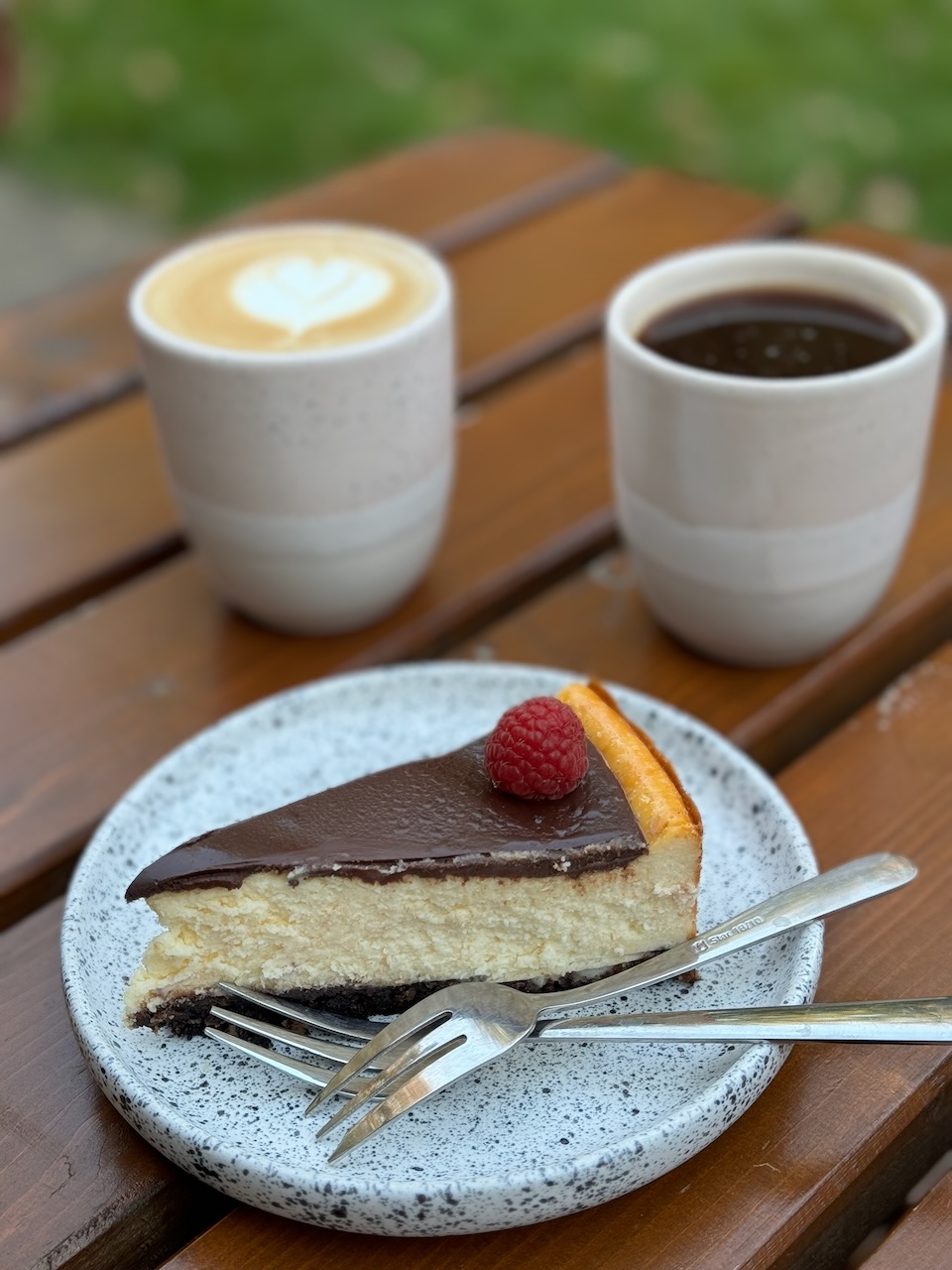
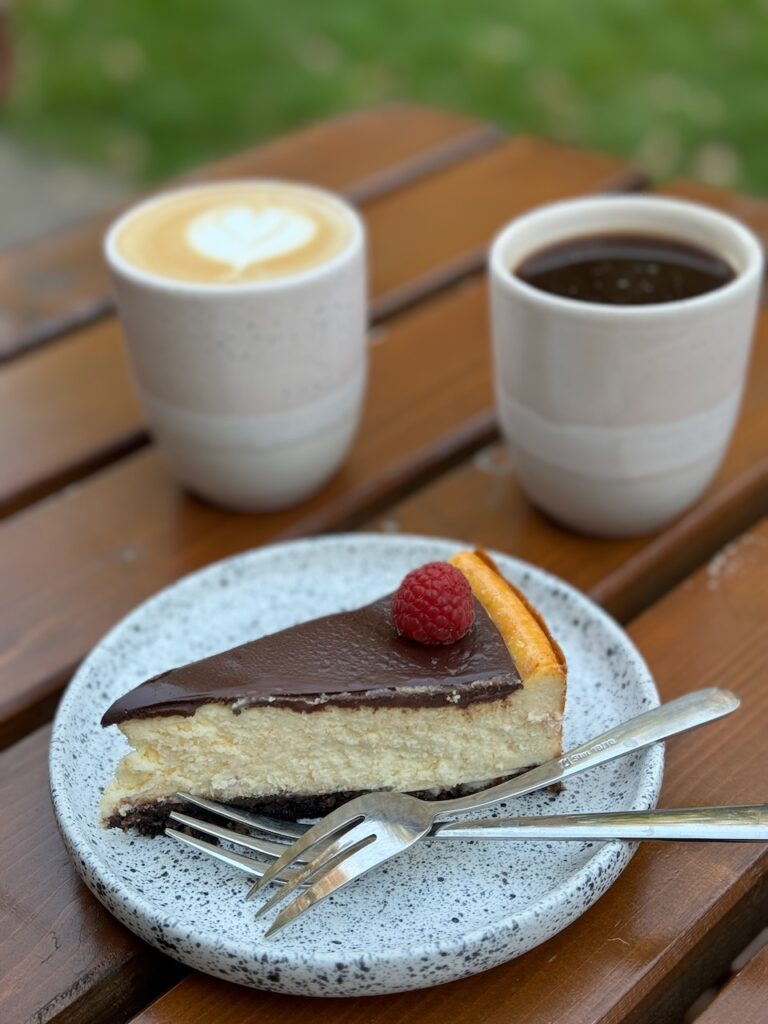
- Chmiel Kawe – Specialty Coffee: Known for its different types of brews and delicious cheesecake. A must-visit for coffee enthusiasts.
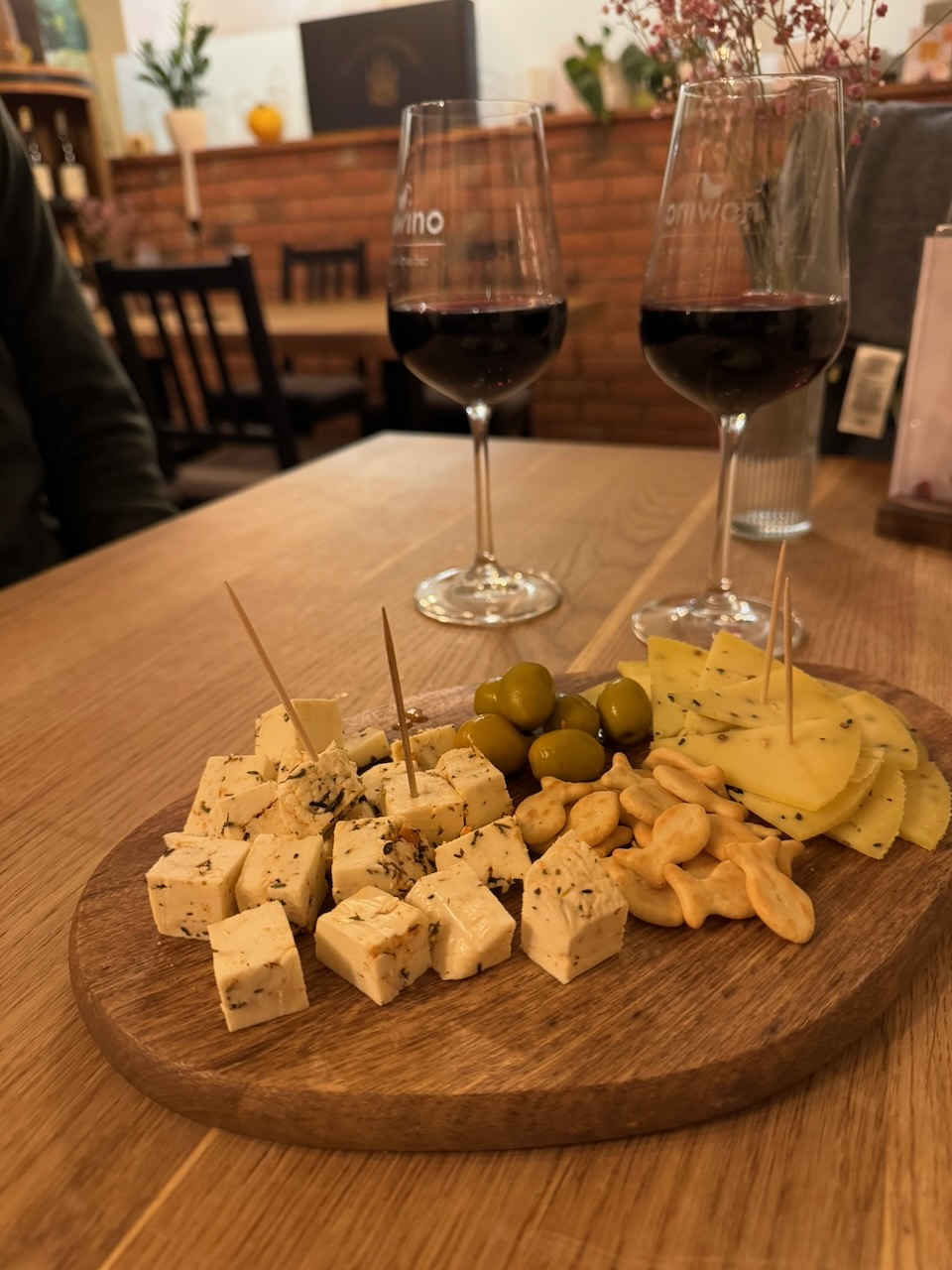
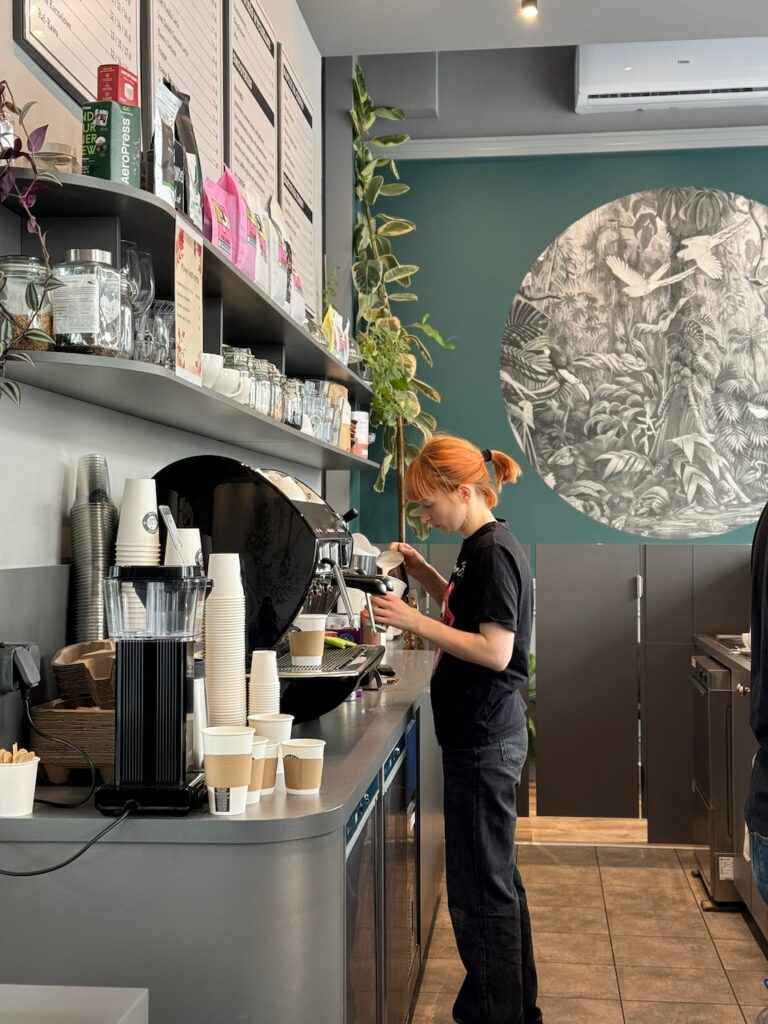
- Selfie Cafe: We had a coffee to-go here, but the inside looked very beautiful and high-end. Despite the upscale appearance, the prices were quite reasonable.
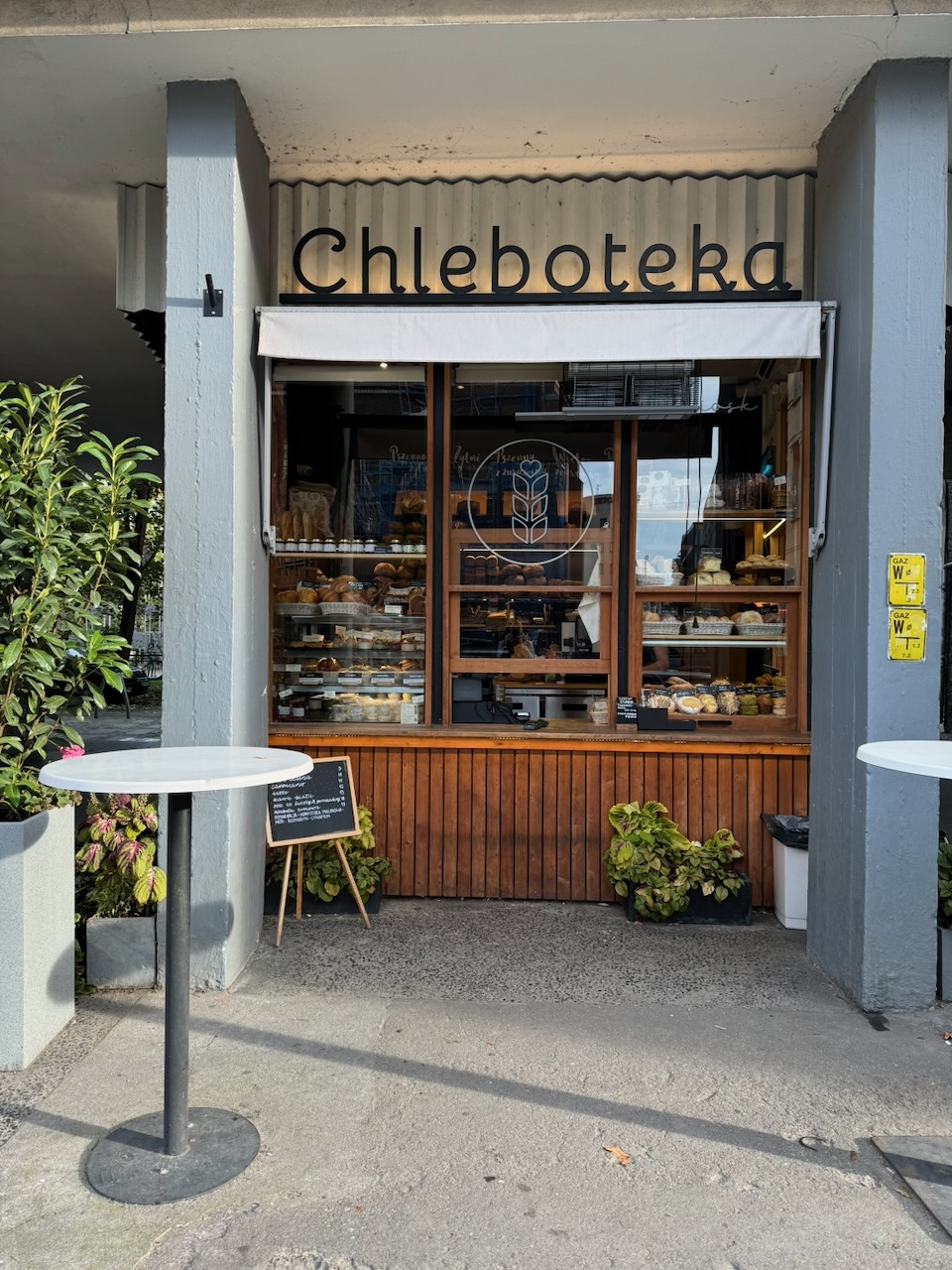
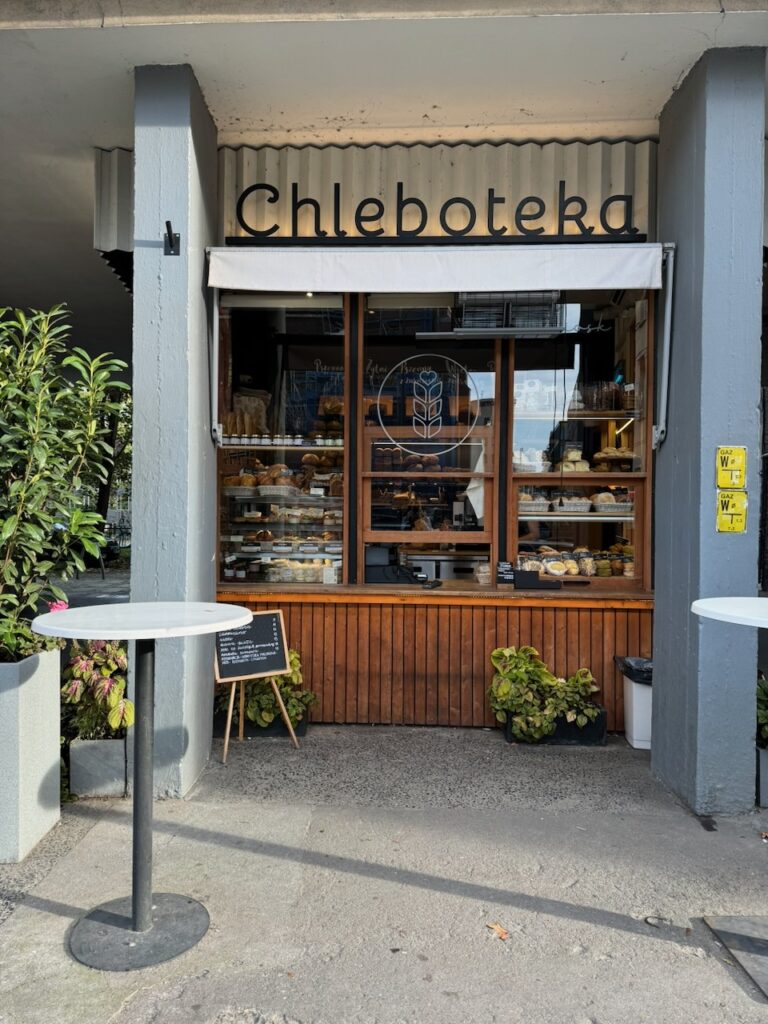
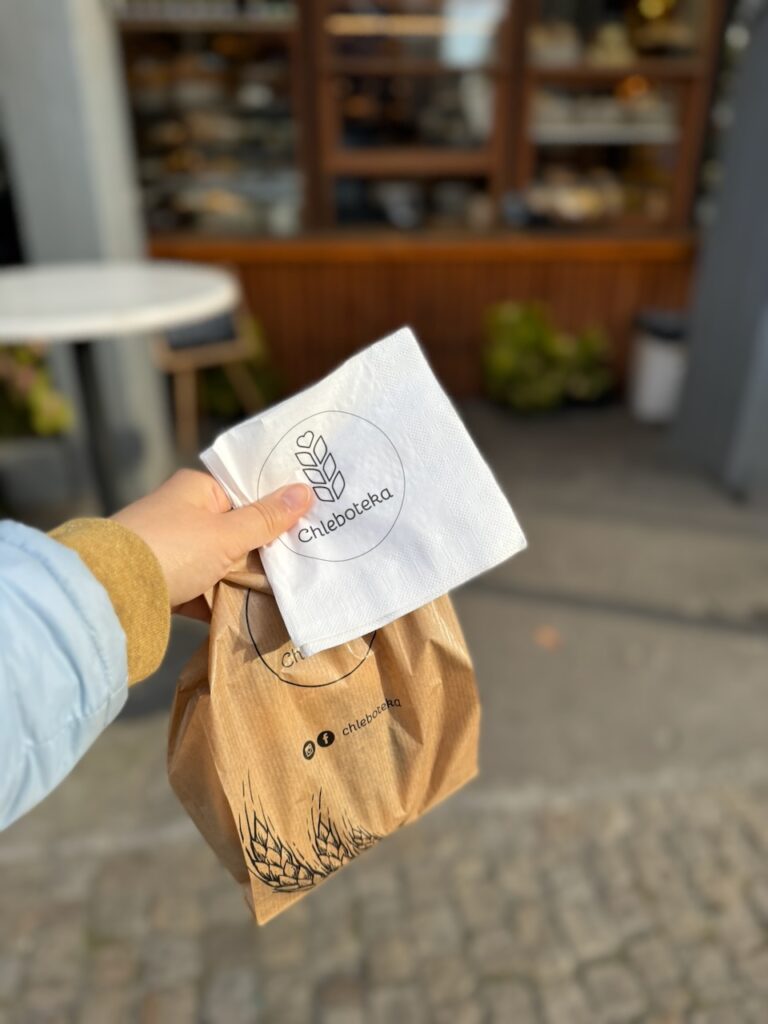
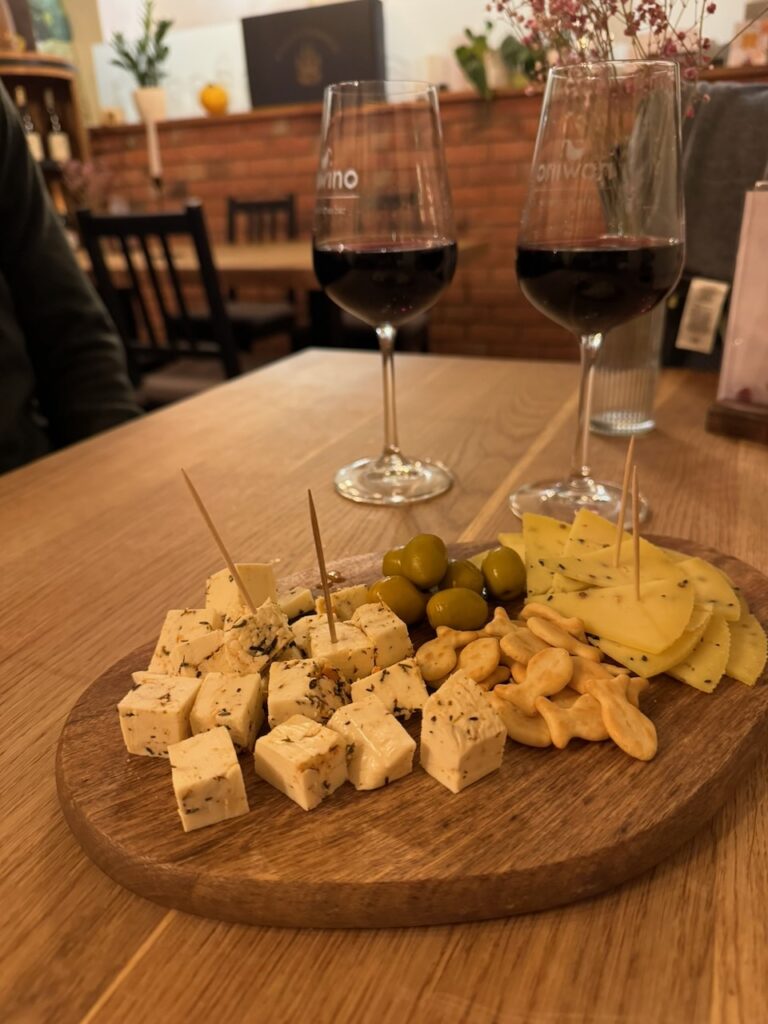
One of the best bakeries we tried was Chleboteka. We enjoyed it so much that we went there two days in a row for breakfast. They offer great sandwiches, sweet breads, and donuts with generous fillings. Highly recommended for a delightful start to your day in Wrocław!
Day 6-8: Zakopane – A Nature Escape
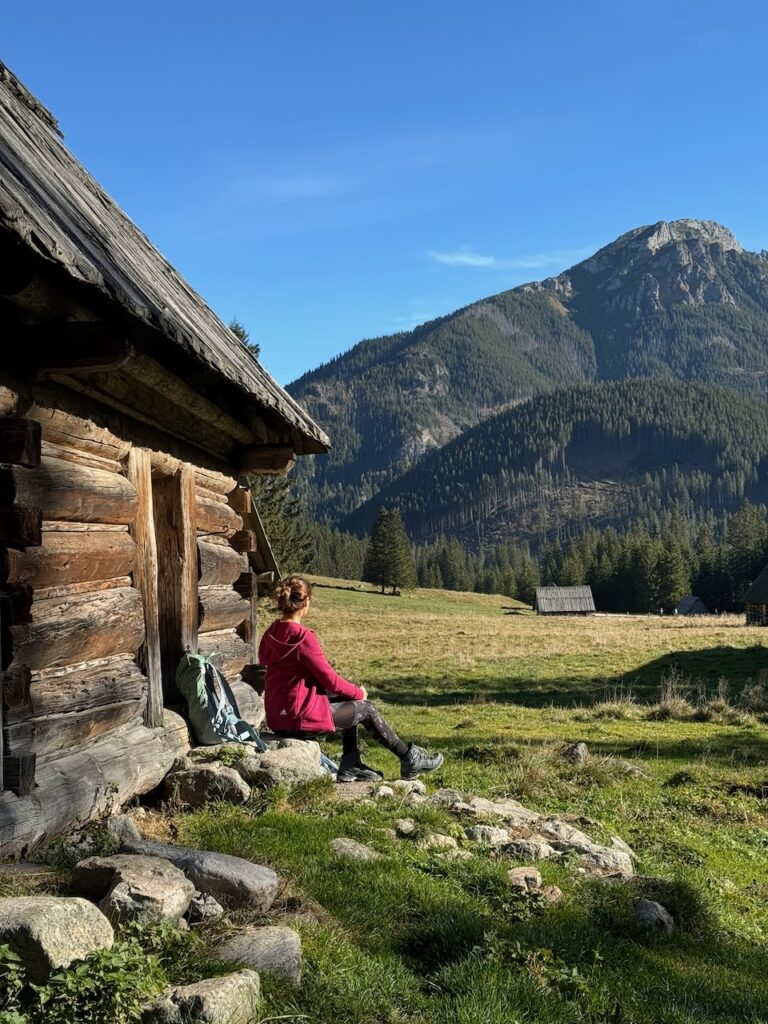
I think this was one of the biggest surprise places in Poland for me. It’s embarrassing to admit, but I previously didn’t know that Poland had such beautiful mountainous areas. This region is truly marvelous and took my breath away. So if you’re someone who enjoys nature escapes, then Zakopane is perfect for you.
There are plenty of accommodations in the town and surrounding areas, including homestays, guesthouses, hotels, and pensions — options for every type of traveler. The roads are well-connected, so if you’re driving around, it will be easy to reach various attractions.
Now, let me tell you about the things you can enjoy in Zakopane!
Things to Do and See in Zakopane
Hiking Adventures
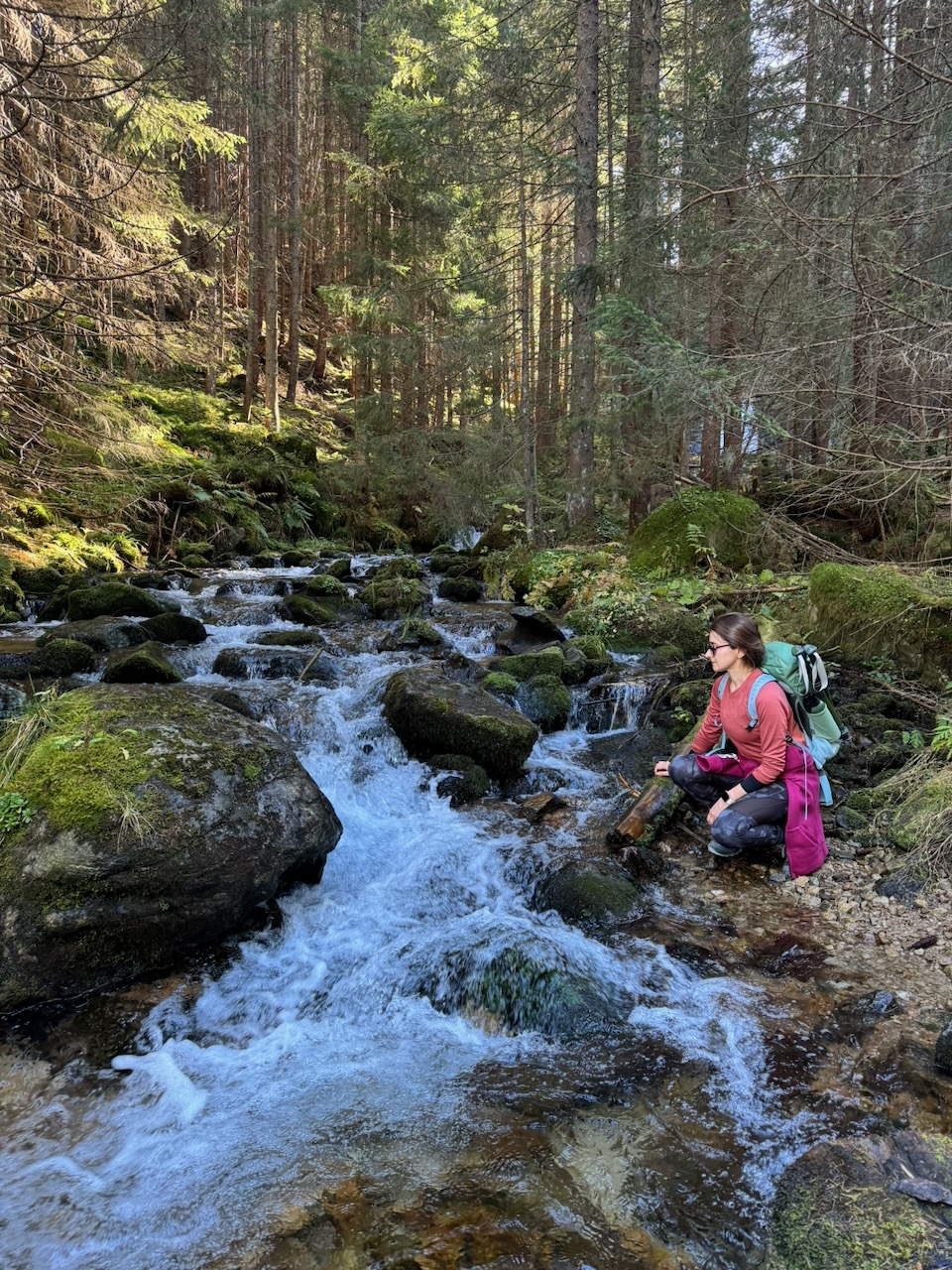
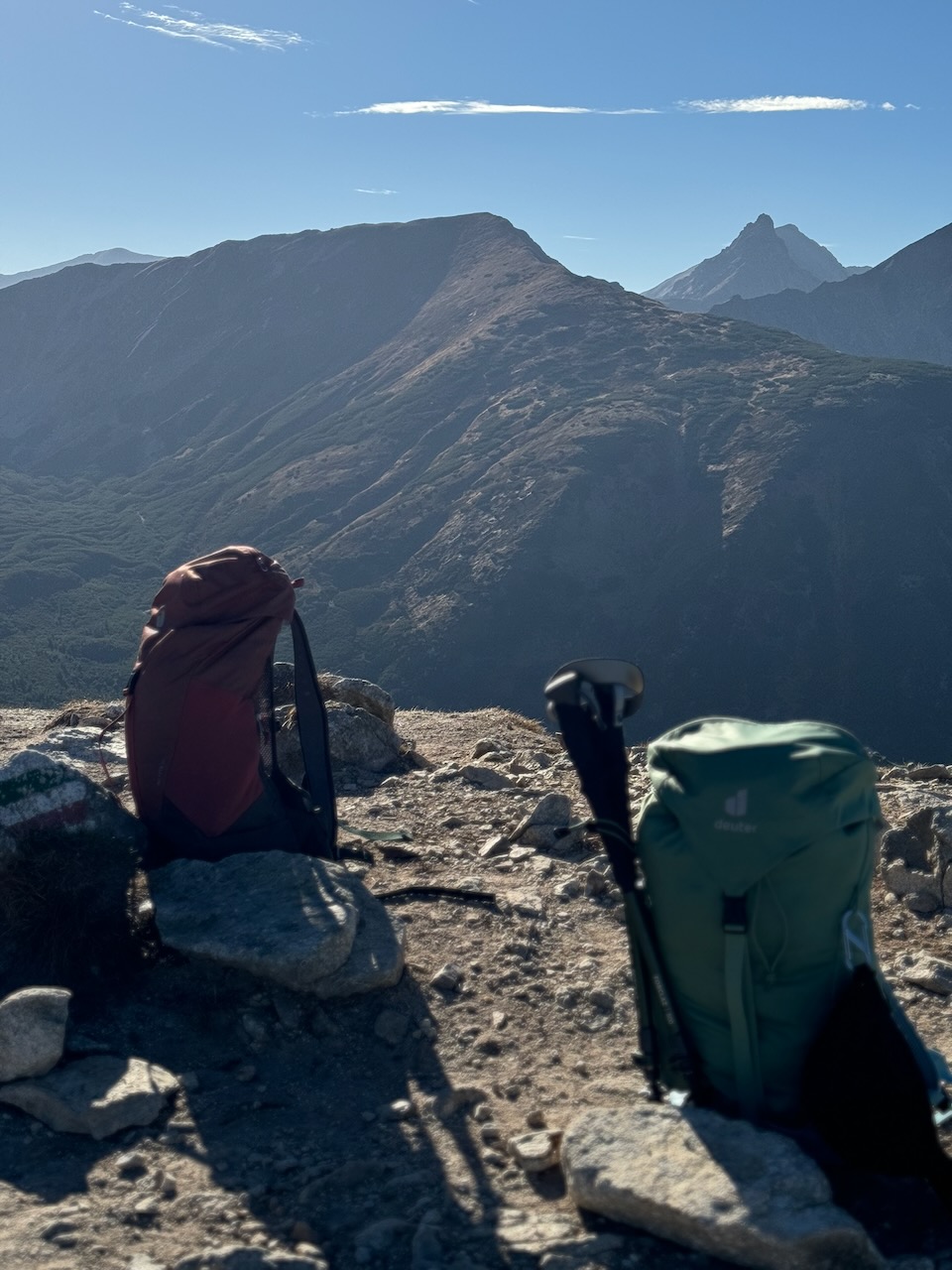
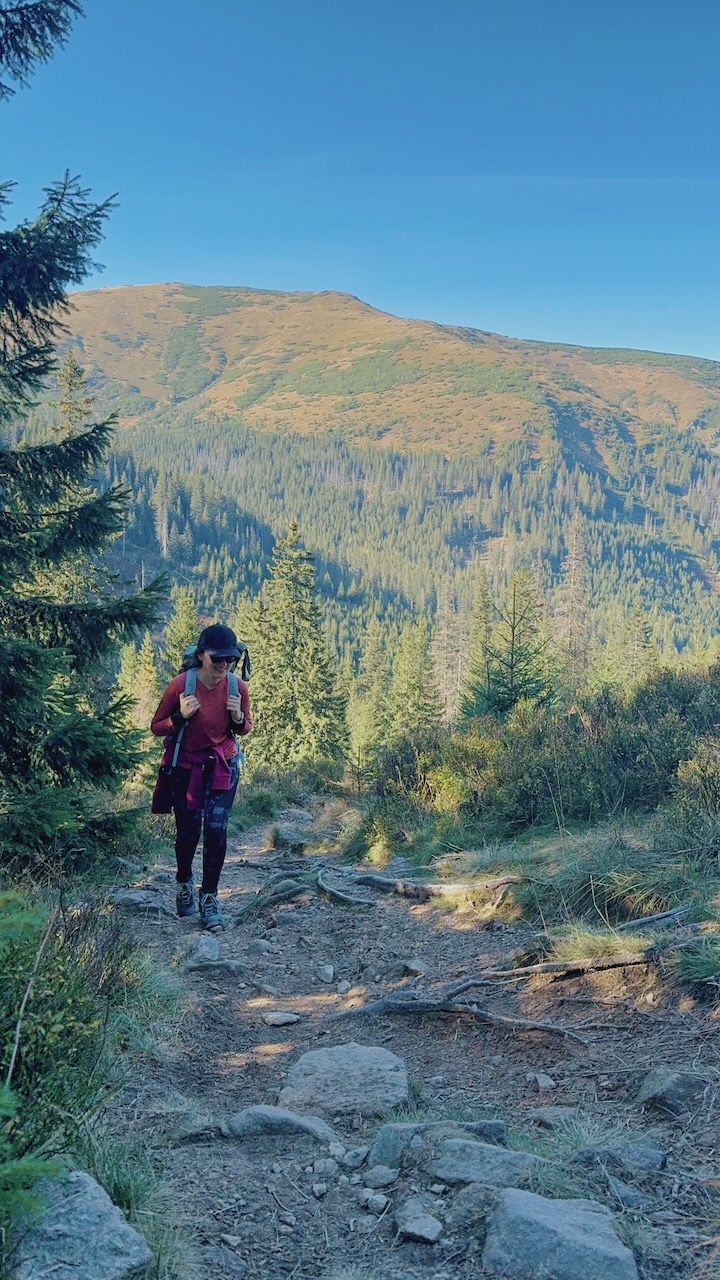
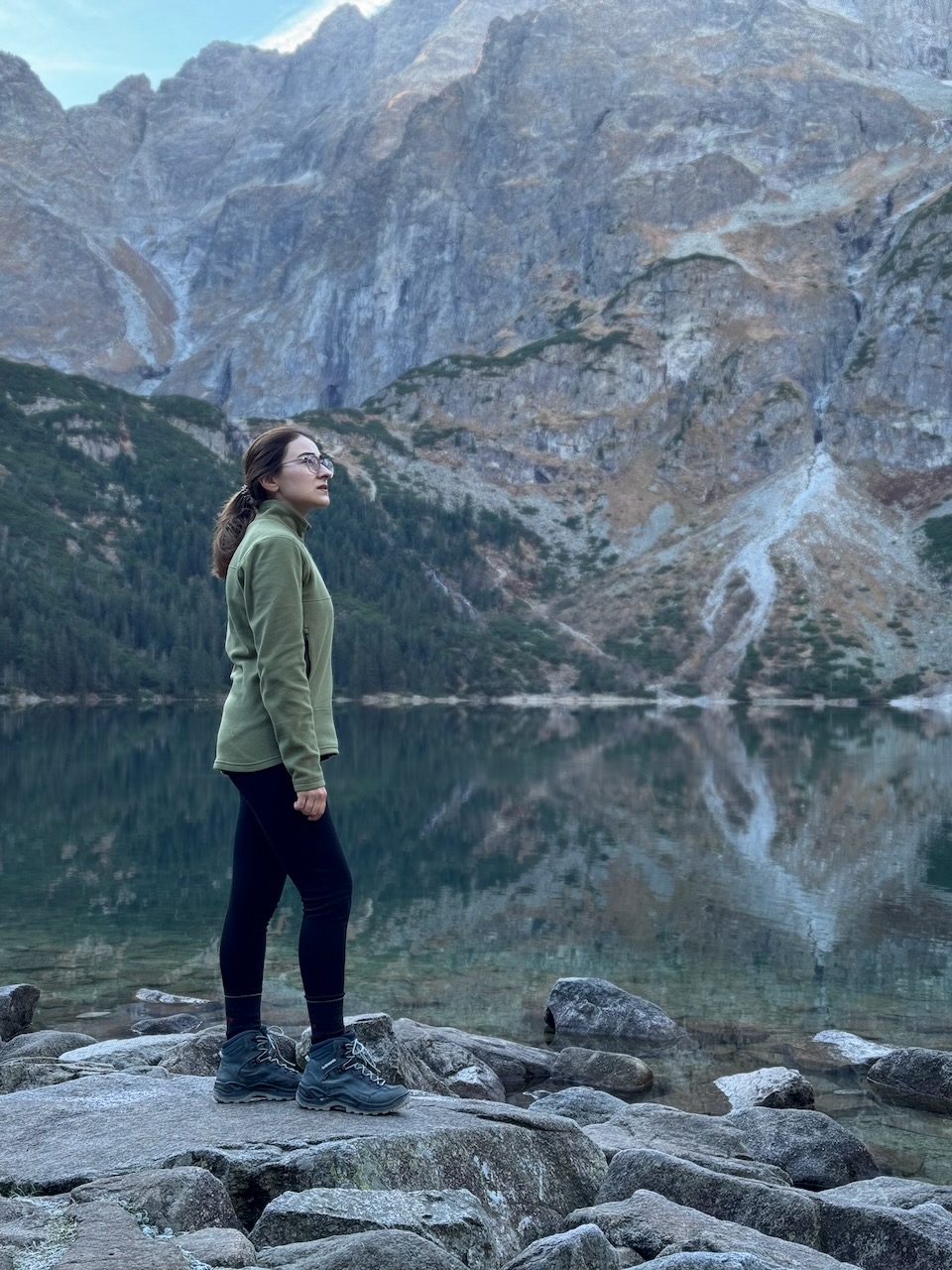
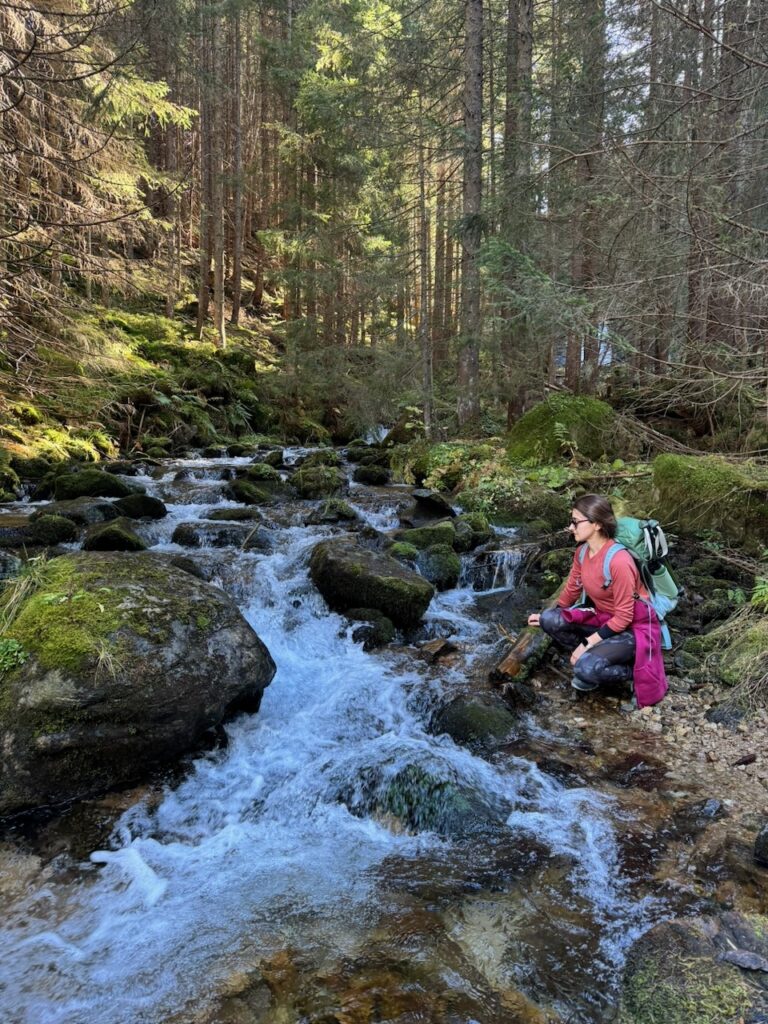
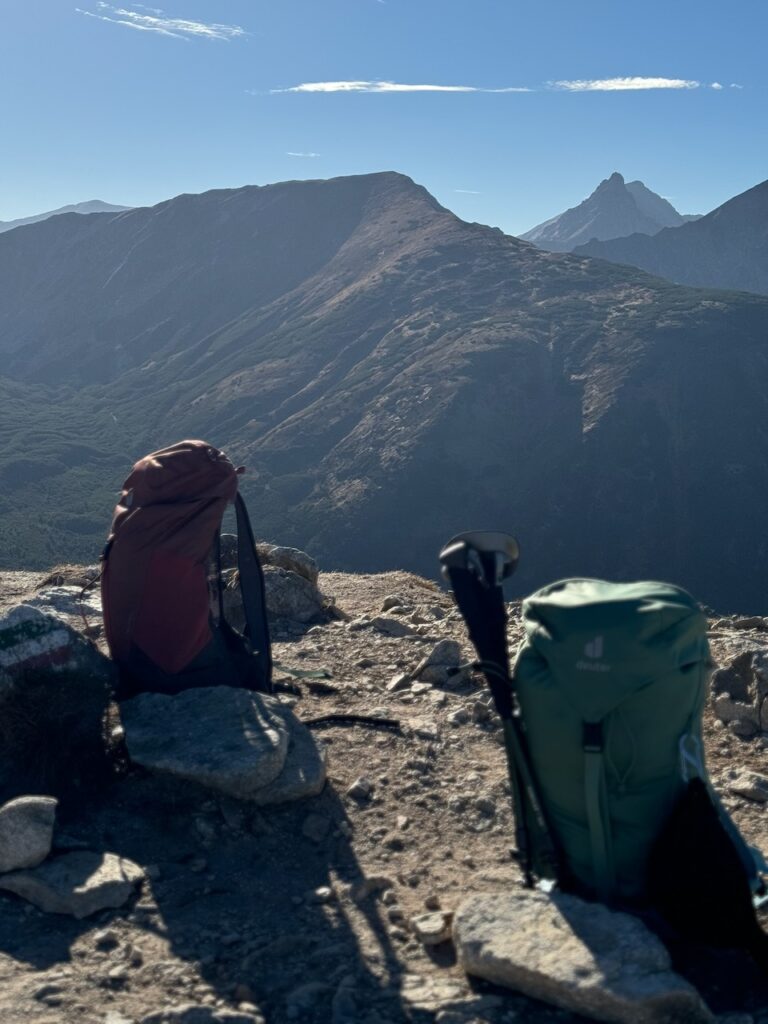
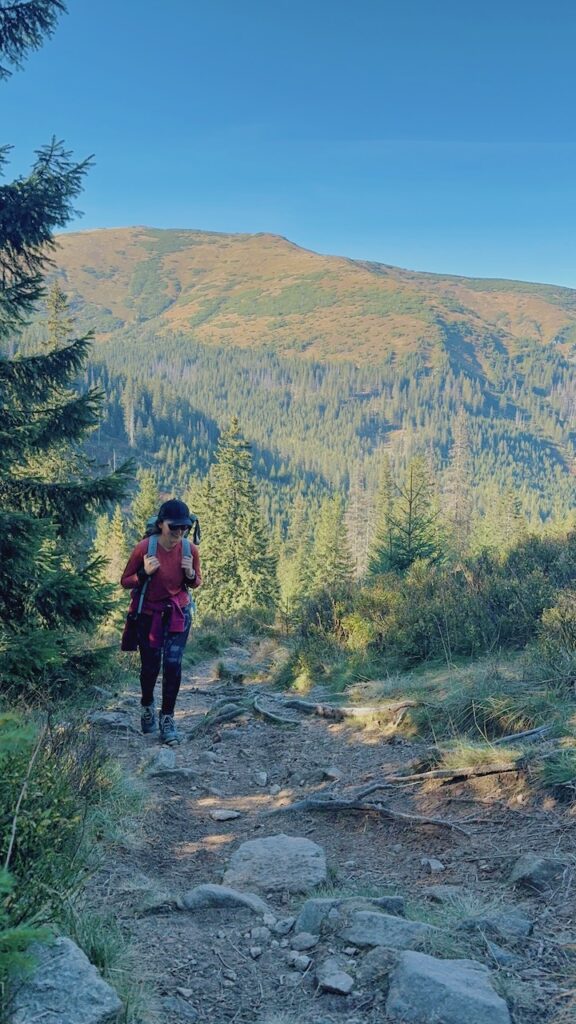
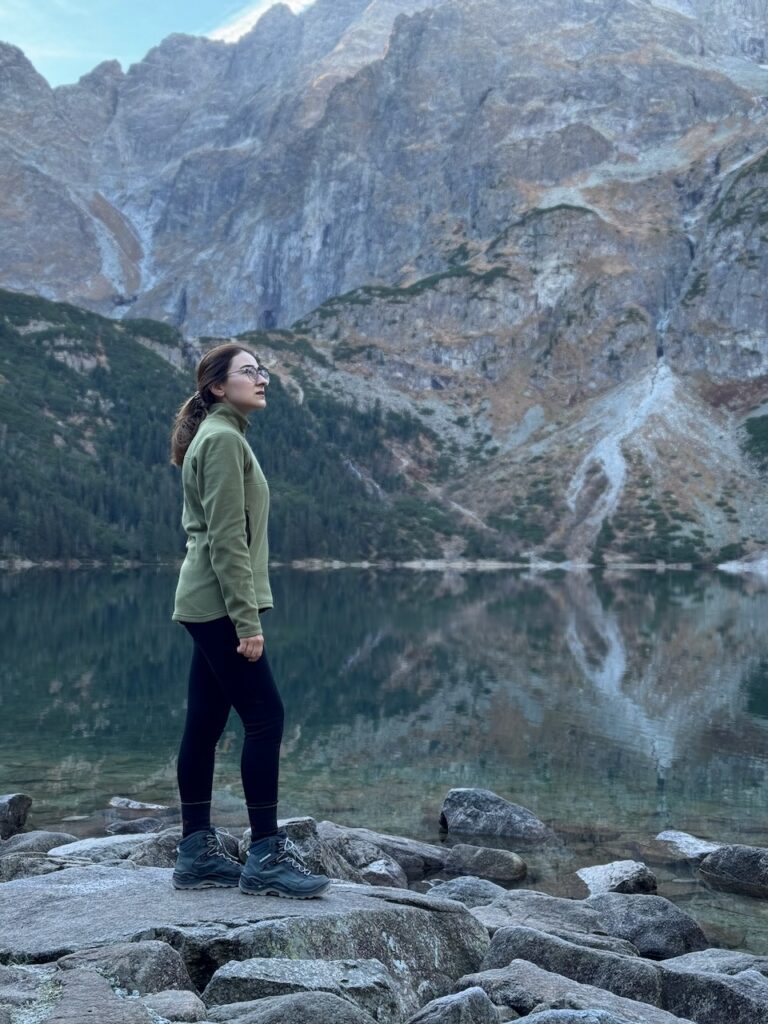
For outdoor enthusiasts, the Tatra National Park offers a range of hiking trails suitable for all skill levels. One of the most popular hikes is to Morskie Oko, a stunning glacial lake accessible via a paved path from Palenica Białczańska. This 8 km hike is perfect for beginners and families, offering breathtaking views of the surrounding mountains. Once at the lake, take a moment to relax and enjoy a nice meal and refreshments at the hut right in front of the lake.
For those seeking a challenge, consider continuing to Czarny Staw pod Rysami, a more advanced hike that takes about 45-60 minutes from Morskie Oko. If you’re an experienced hiker, you might attempt to summit Mount Rysy, the highest peak in Poland, which requires a steep climb and some scrambling.
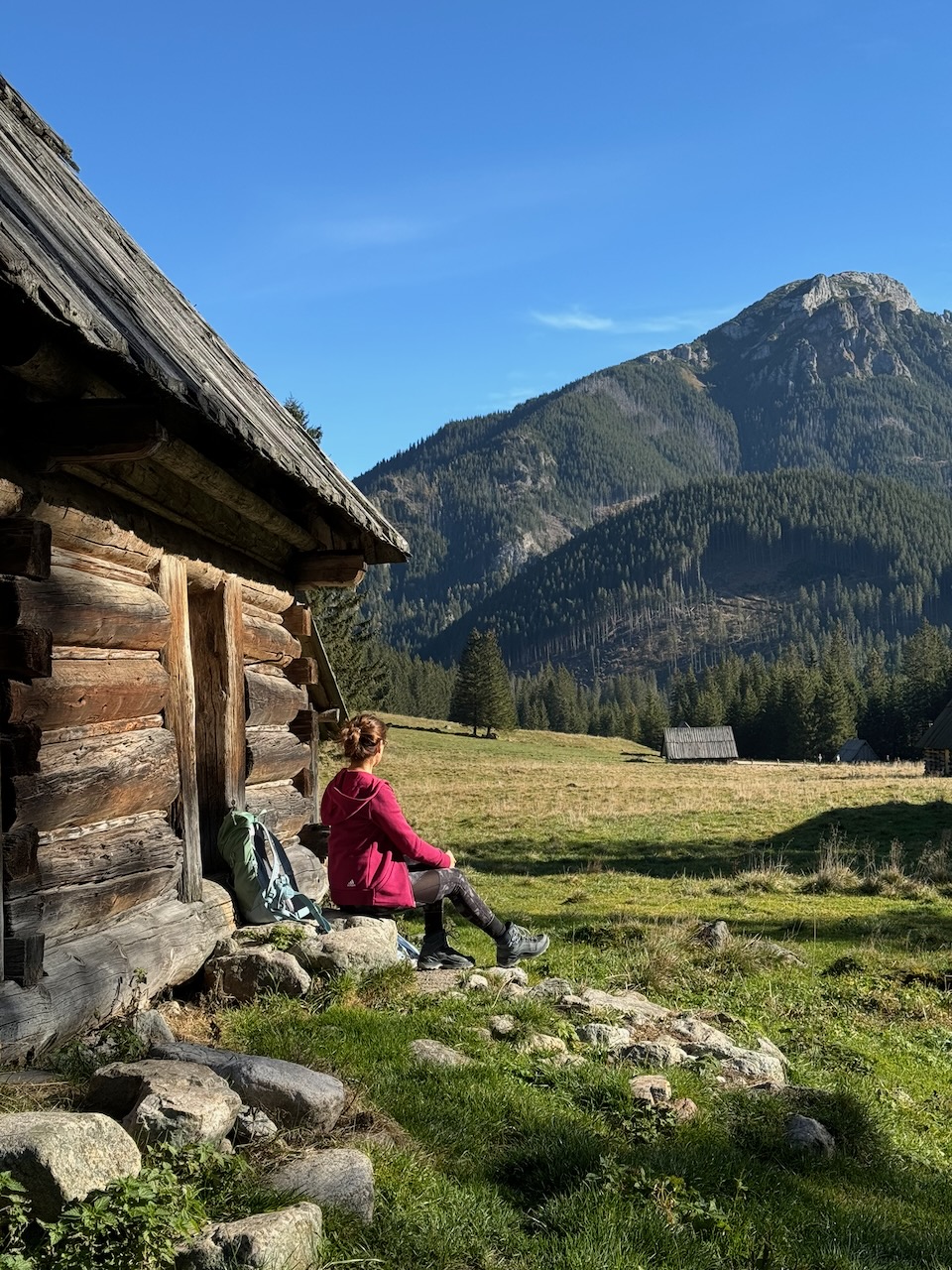
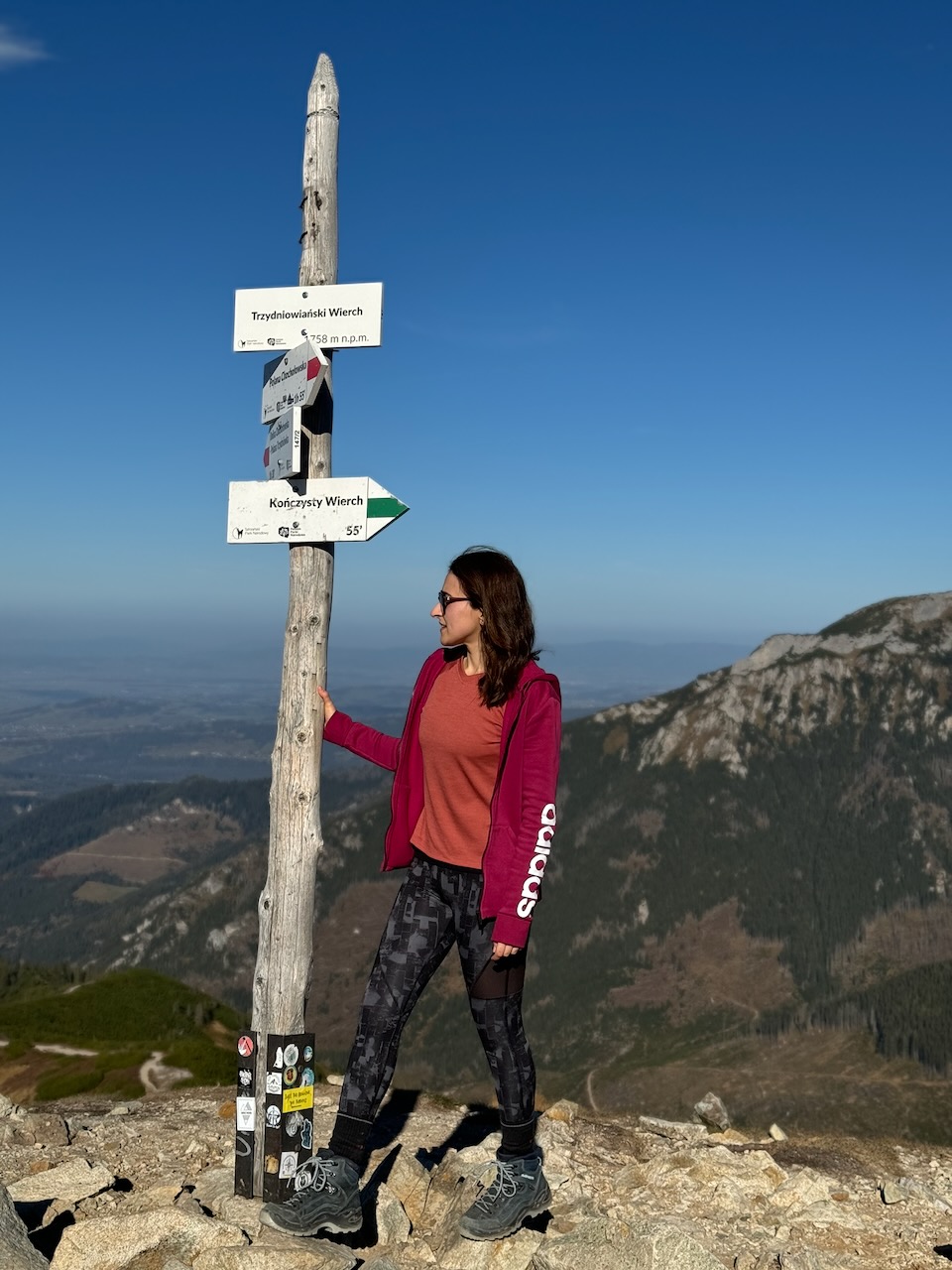
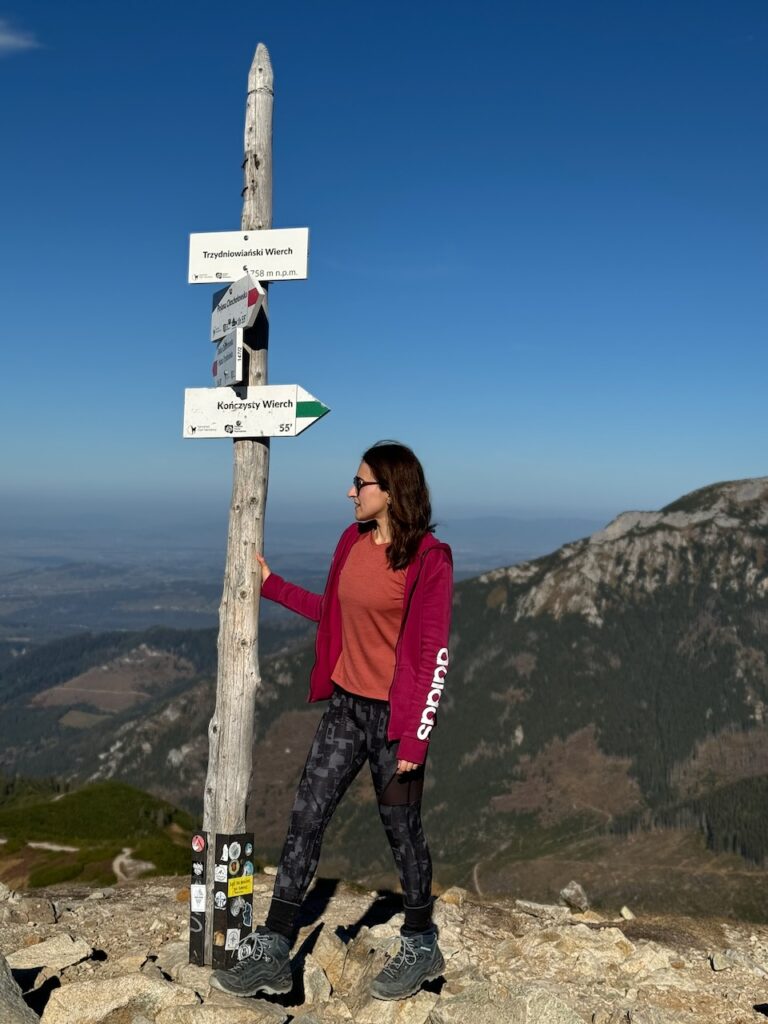
Another great option for hiking is the Chochołowska Valley, which spans 7.3 km. If you’re up for it, you can continue from the valley to Trzydniowiański Wierch or explore other hiking trails available from the hut at Chochołowska Valley.
Another scenic option is the Gąsienicowa Valley, starting from Kuznice. This moderately difficult hike leads you to Czarny Staw, a picturesque alpine lake, and offers stunning views of the Tatra Mountains.
Thermal Baths
After your adventures, unwind at one of the many thermal spas in the area. Options include:
- Bukovina Thermal Baths
- Chochołowskie Thermal Baths
- Bialka Tatrzanska – TERMA BANIA
- Szaflary Thermal Baths
- Gorący Potok water park
We personally visited Terma Bania, which we heard would be less crowded. It was quite nice, featuring two large indoor areas and two outdoor pools that you could walk in and out of. There’s also a bar area with music playing, making for a great experience. Spending about 2-3 hours there is ideal, as the mineral-rich waters offer numerous health benefits.
Villages to Visit
In addition to hiking, take time to explore nearby villages like Kościelisko, Murzasichle, and Chochołów. The latter is known for its stunning wooden houses and traditional ways of living, and it’s just 10 minutes away from the border with Slovakia. These quaint villages provide a glimpse into local culture and are perfect for a leisurely stroll through the streets, where you can indulge in local crafts and cuisine.
Gubałówka Hill
Although we didn’t manage to squeeze it into our itinerary, Gubałówka Hill is easily reachable from the town center by funicular or by driving up. From the top, you’ll be rewarded with panoramic views of Zakopane and the surrounding Tatra Mountains. There are also restaurants and cafes where you can relax while enjoying the scenery.
Pro Tip:
- As you plan your visit, be mindful of the weather, as mountain conditions can change rapidly. Bring waterproof clothing and sturdy hiking shoes to ensure a safe and enjoyable experience.
- Consider renting a car for easier access to hiking trails and thermal baths, as public transport can be less frequent.
Where to eat in Zakopane?
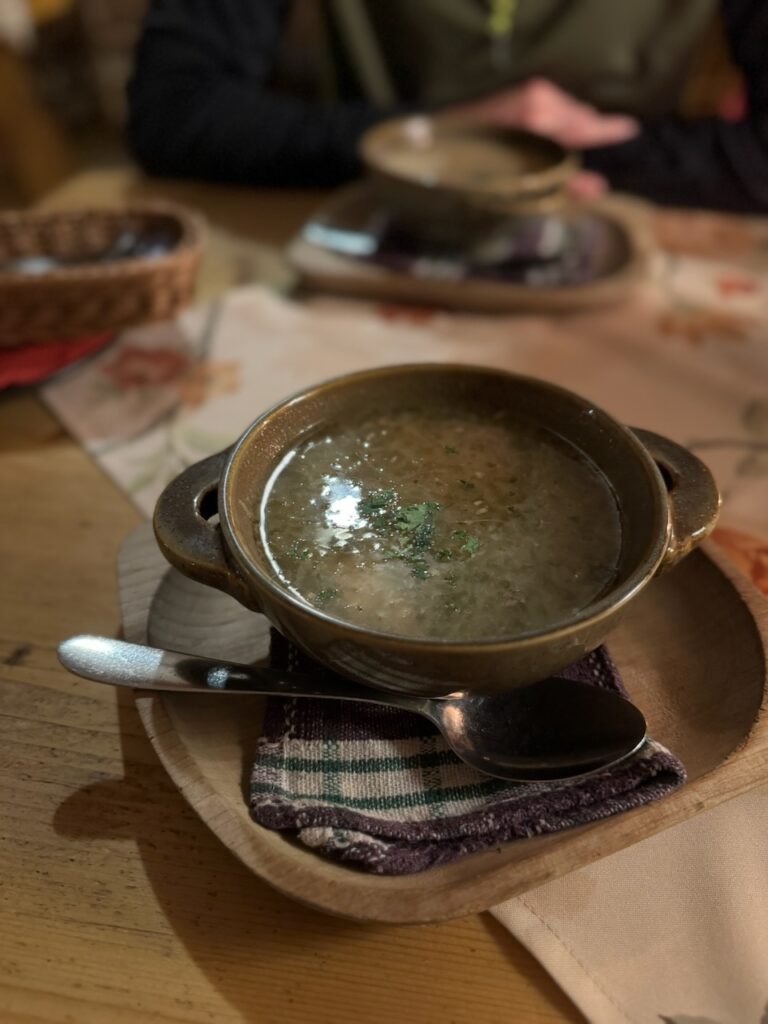
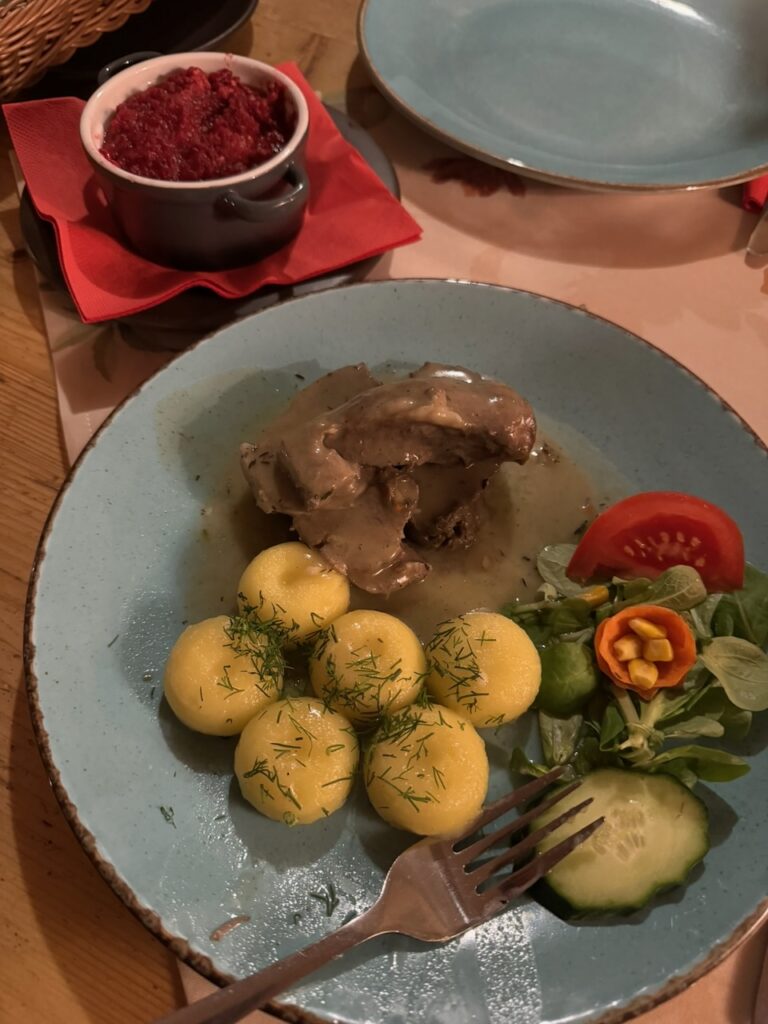
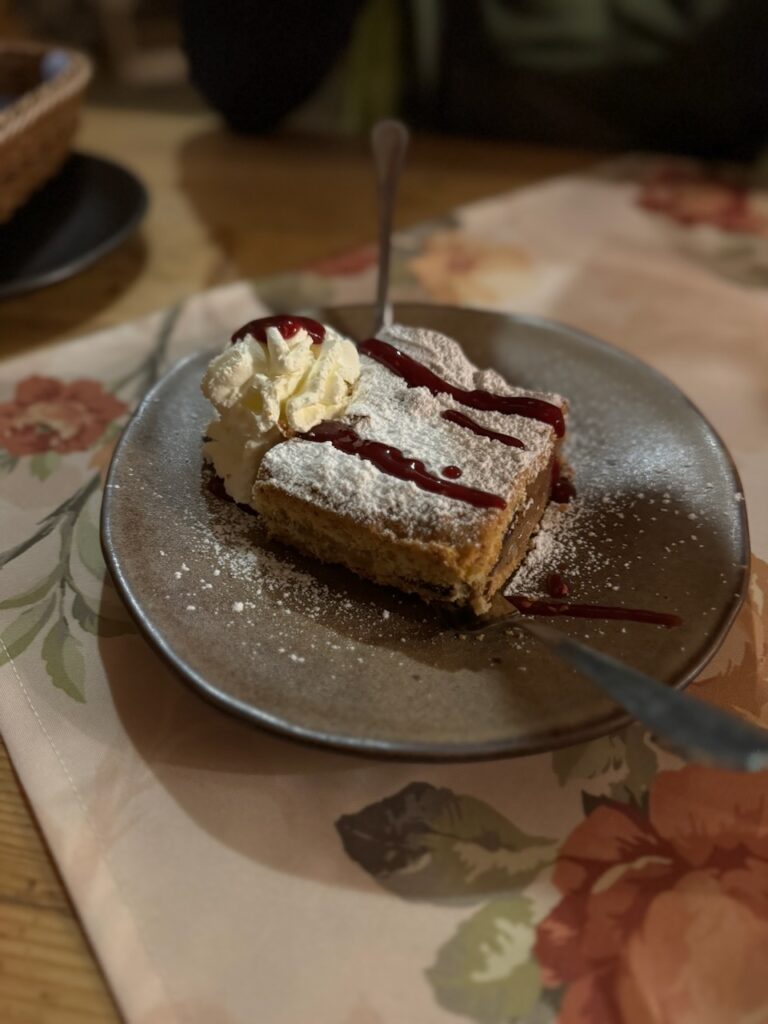
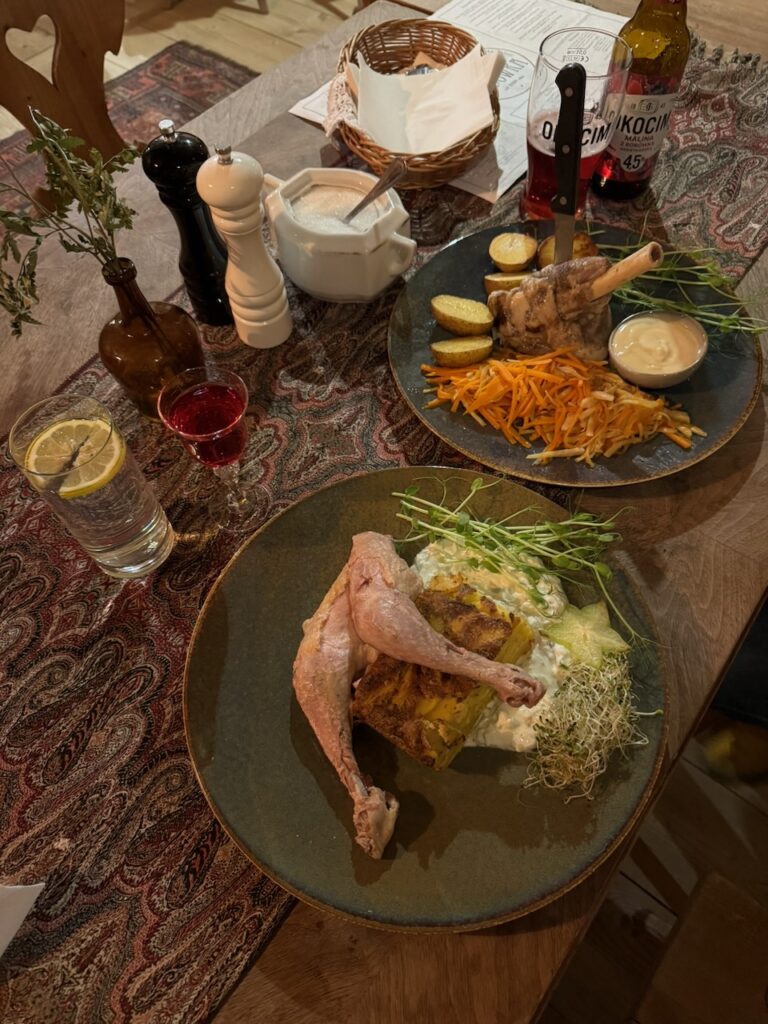
Zakopane has so many great places to eat, from cozy mountain taverns to surprisingly refined takes on Polish classics. That said, as mentioned already above, you’ll be far more flexible if you have a car. The center of Zakopane is lively and convenient but also quite touristy, and some of the real gems sit just a little outside town. Having wheels lets you escape the crowds and explore restaurants where the focus is fully on atmosphere, tradition, and seriously good food. Still, even right in the center, there are a few places that can absolutely win you over — especially after a cold winter walk.
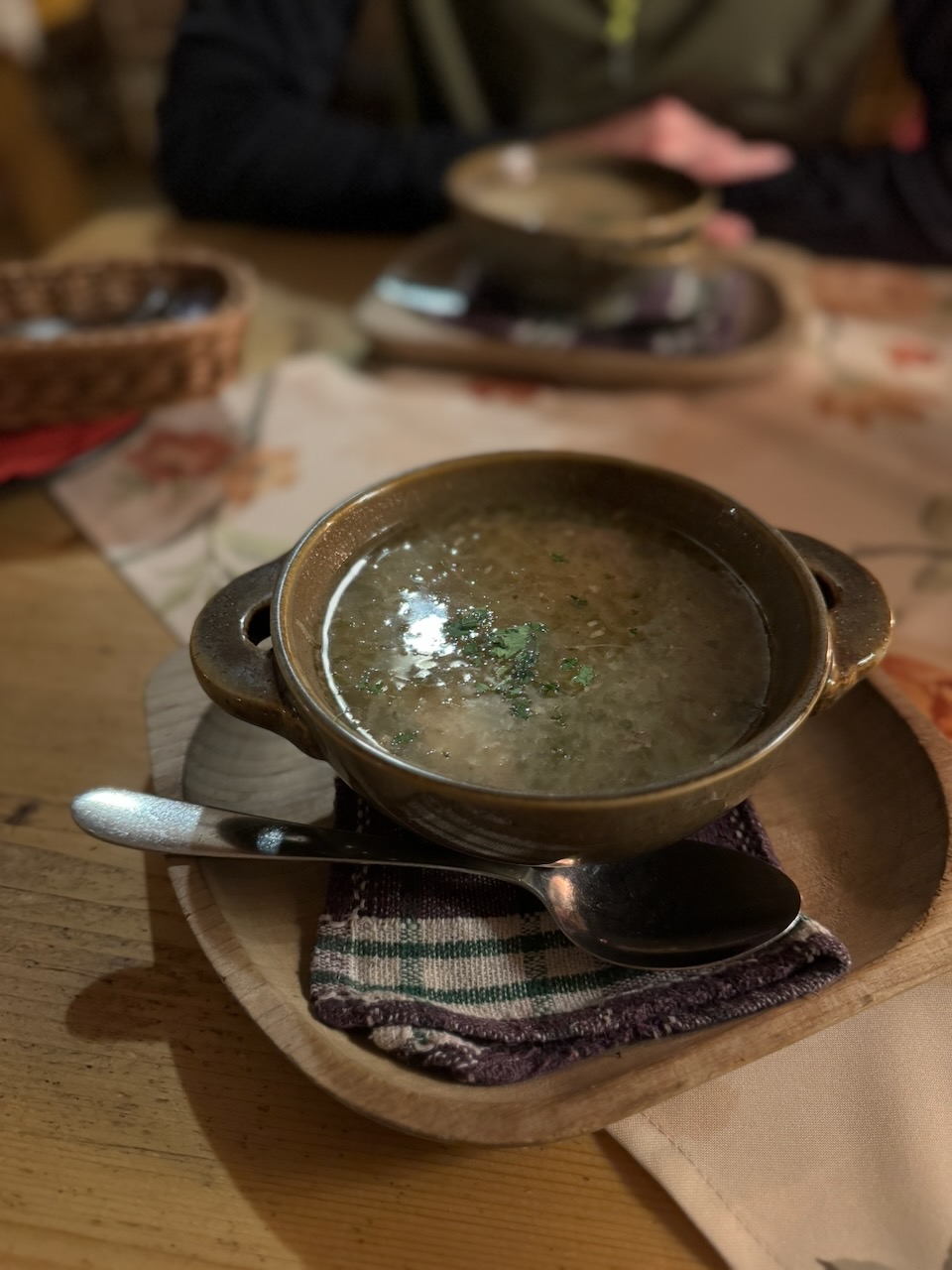
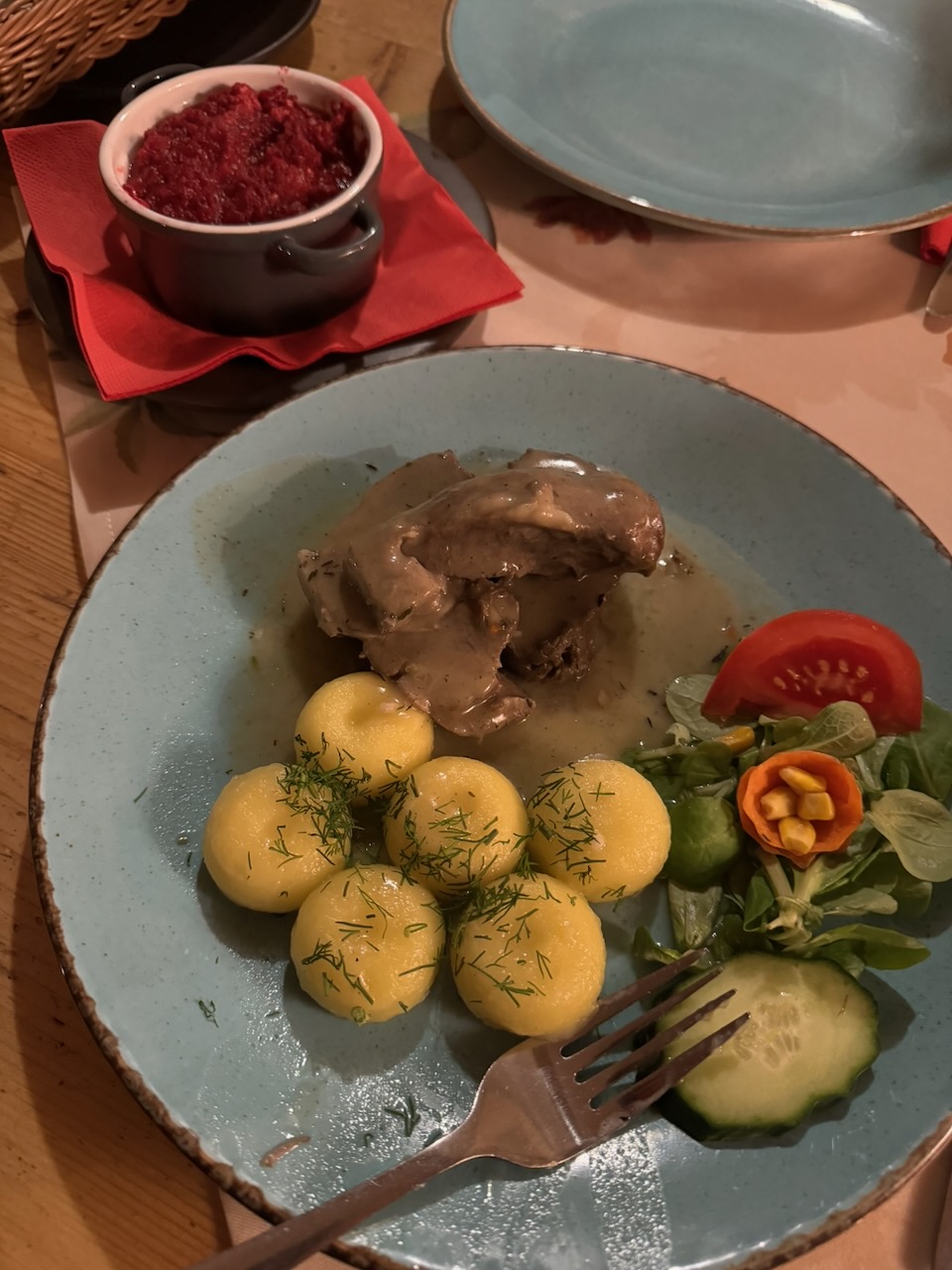
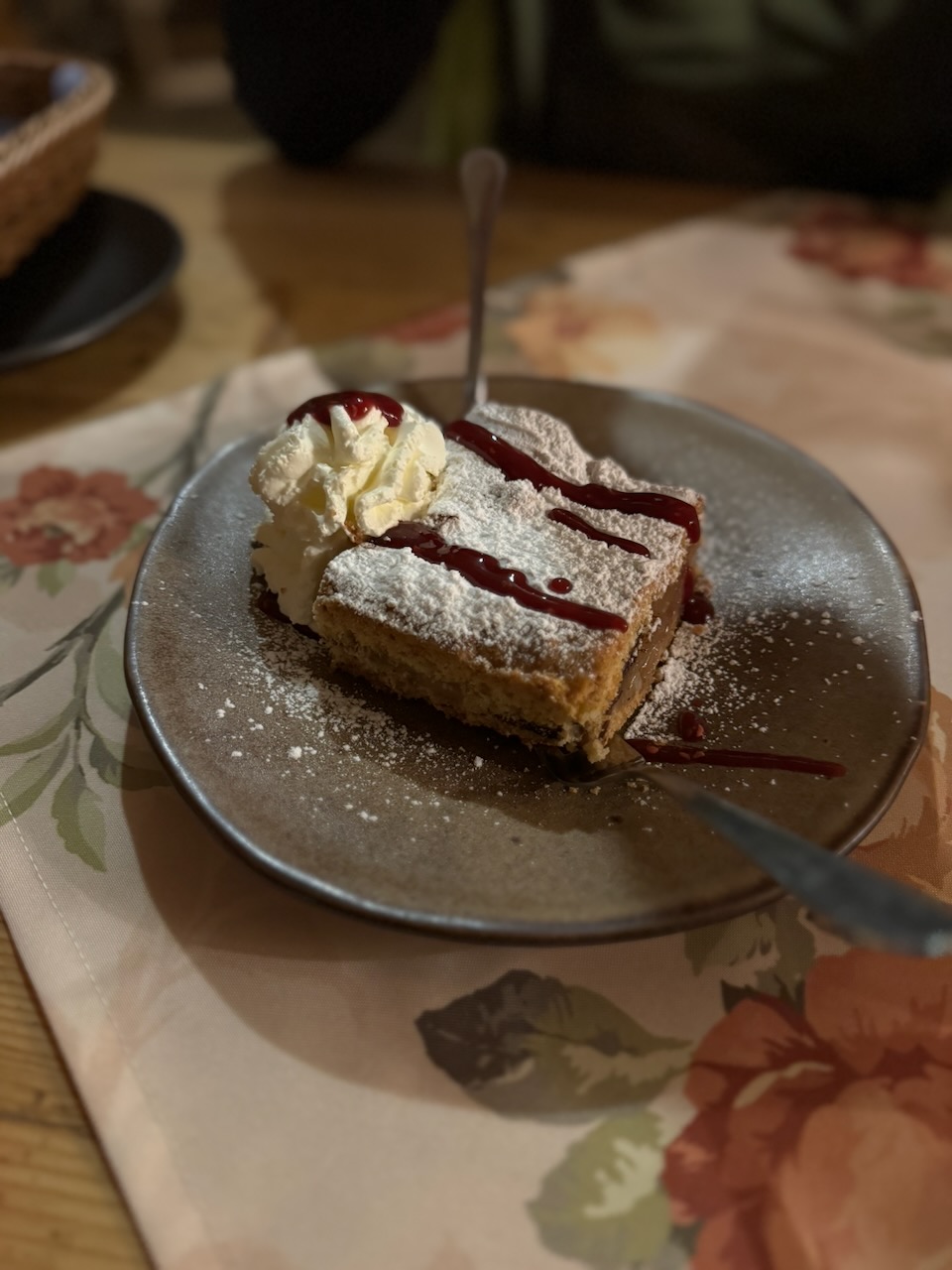
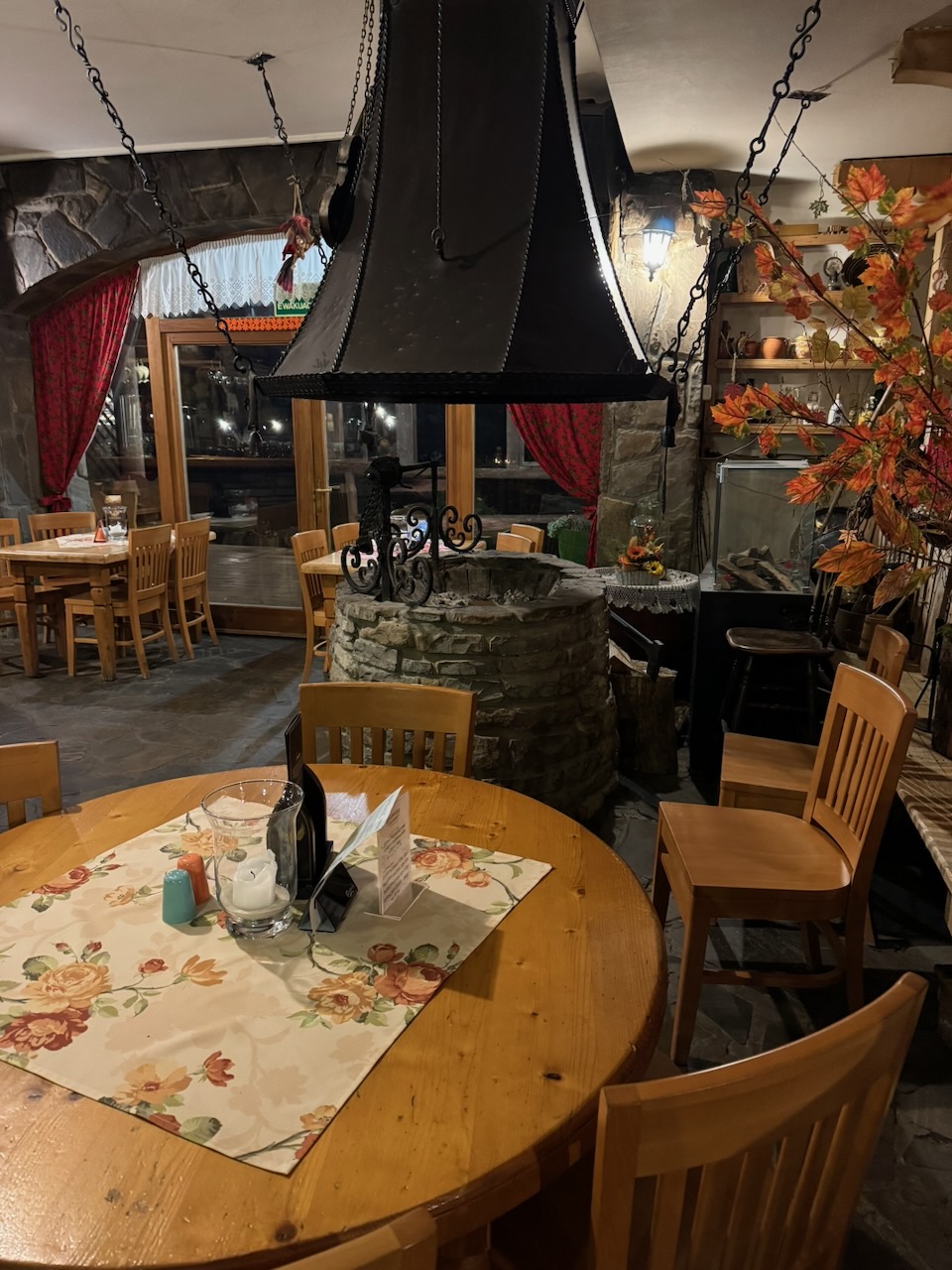
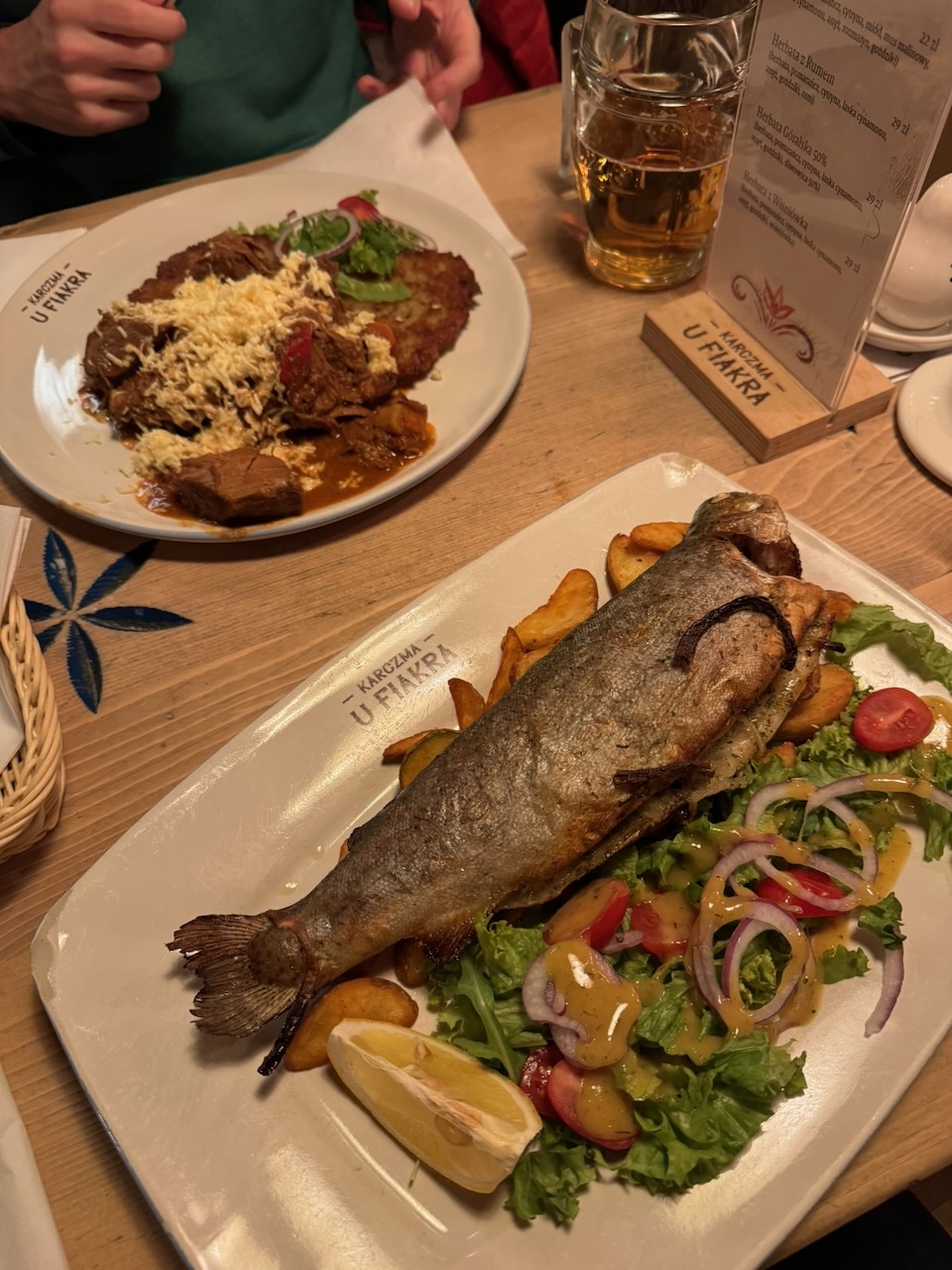
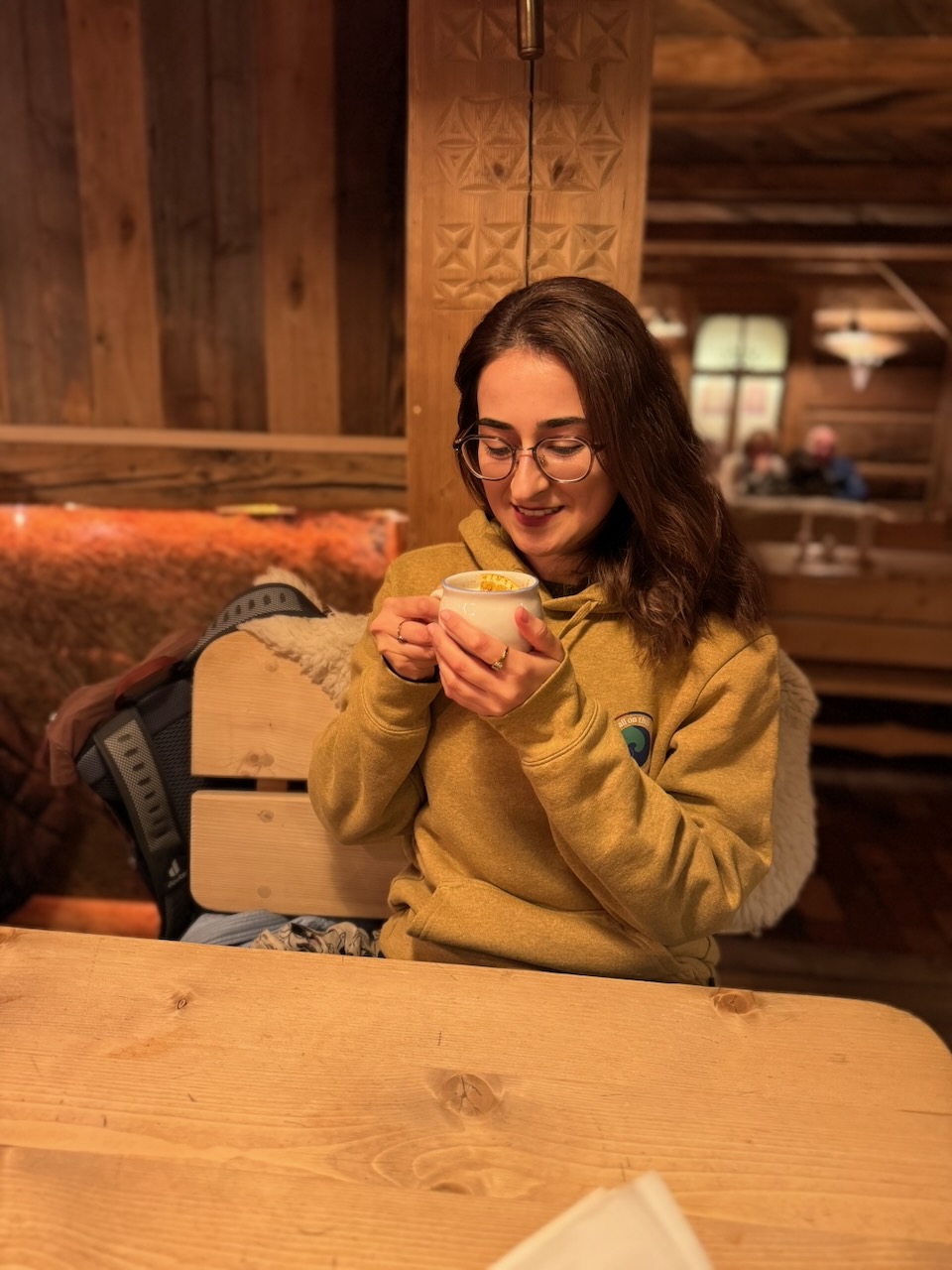
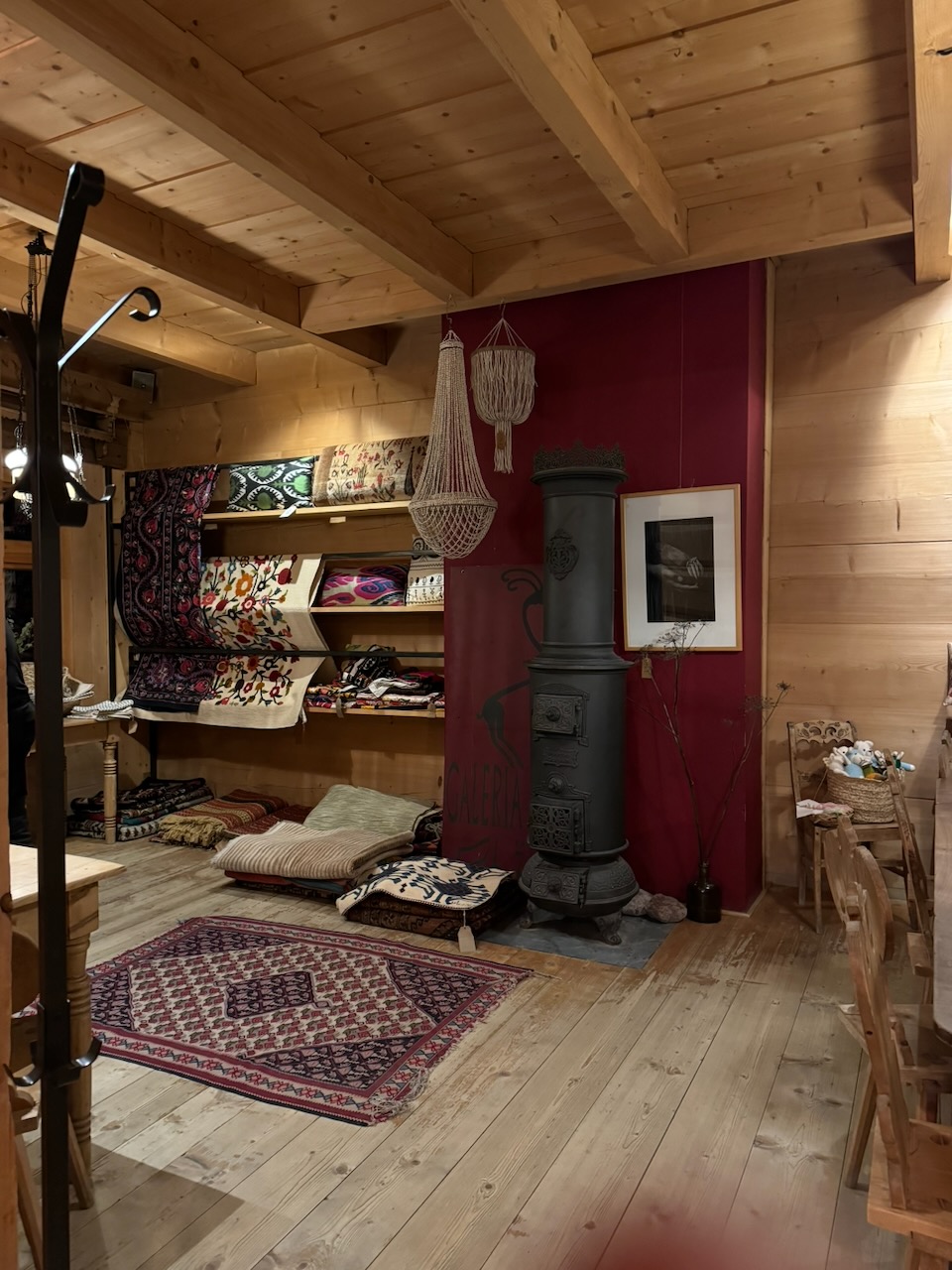
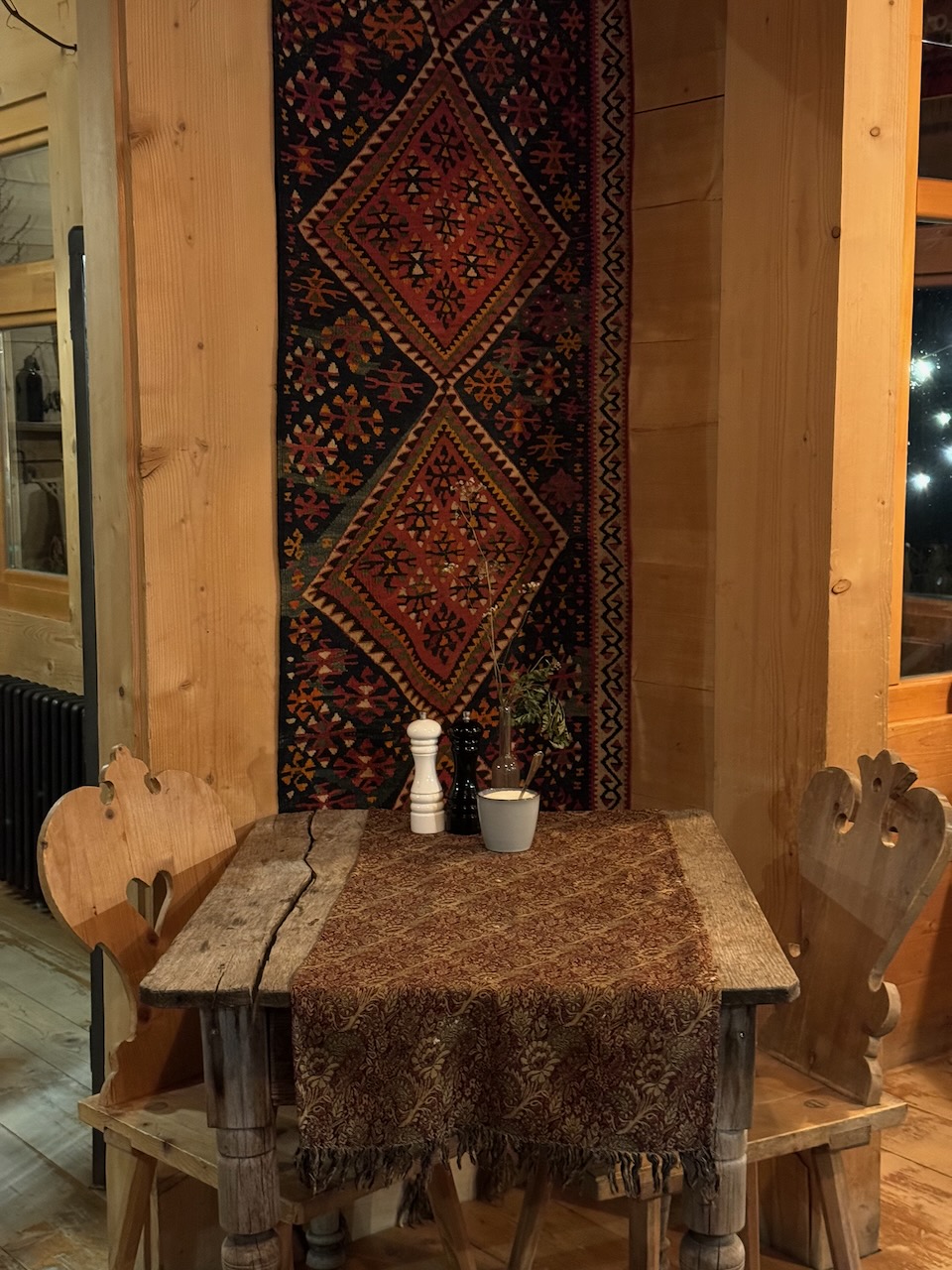
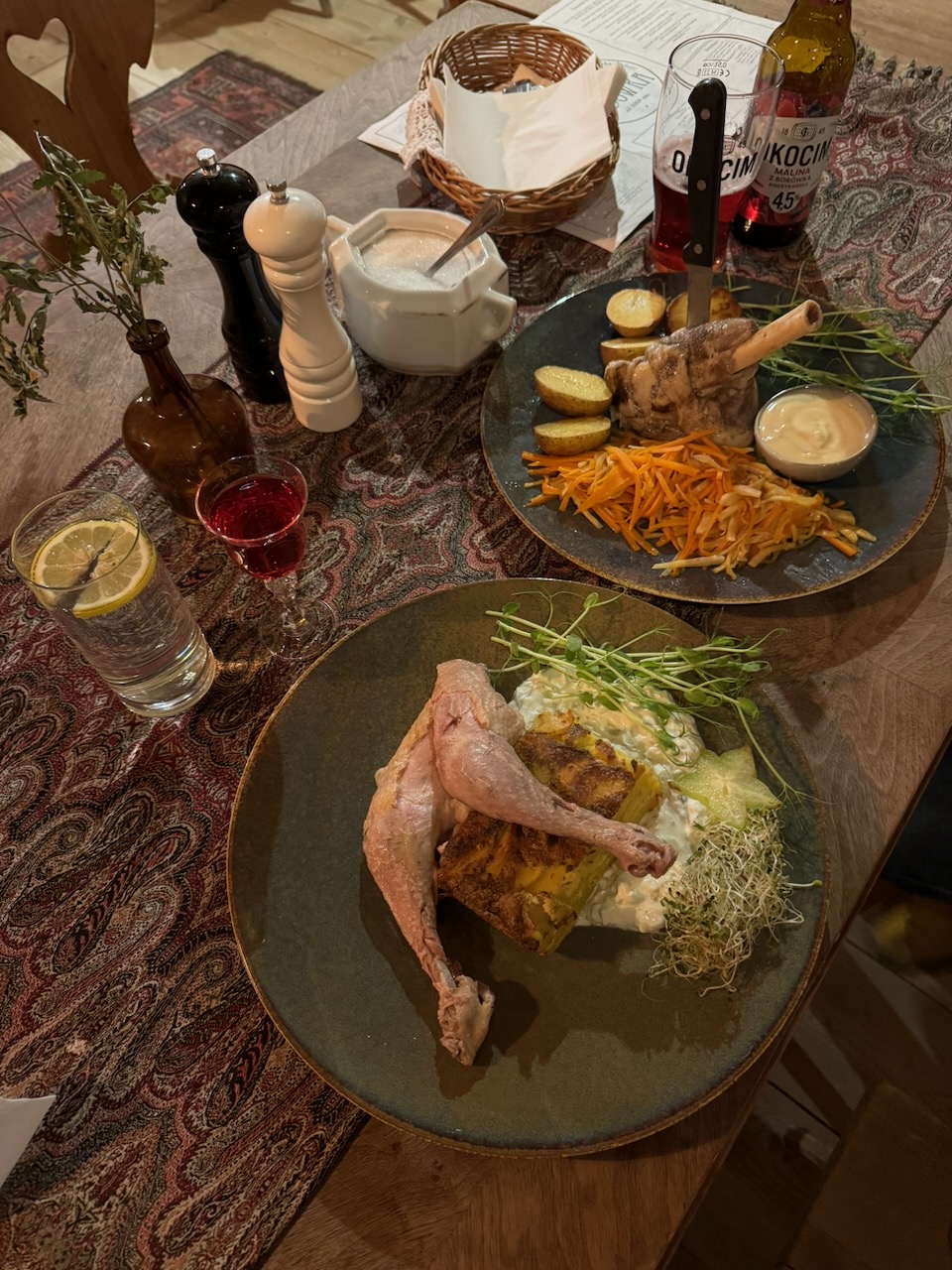
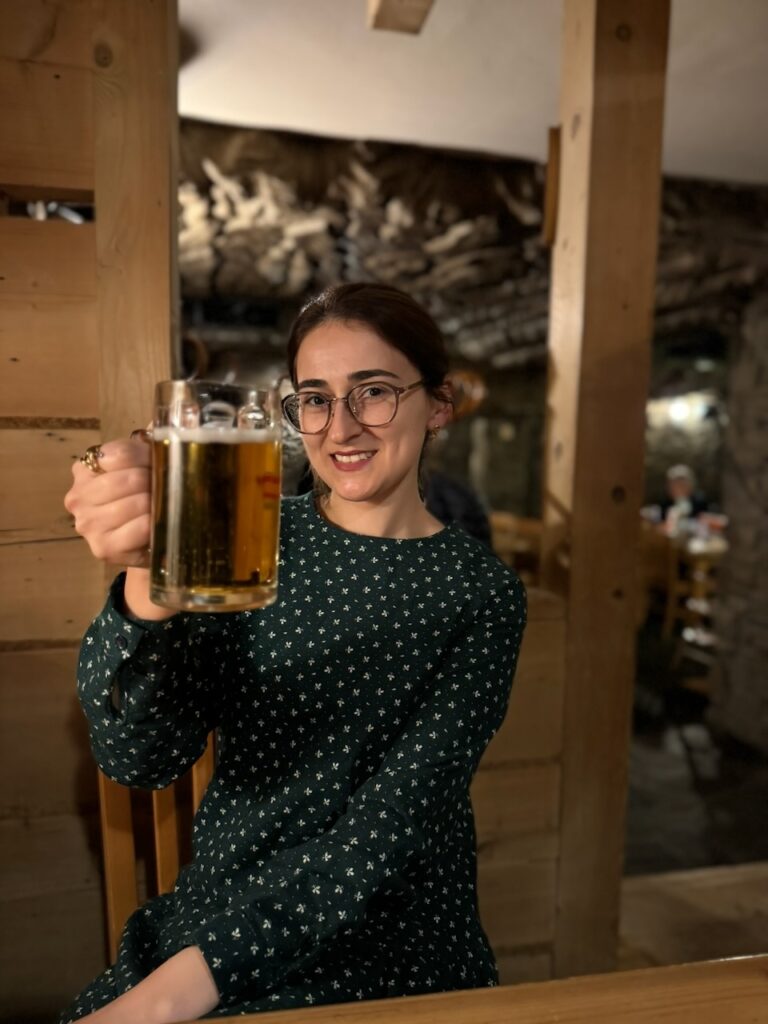
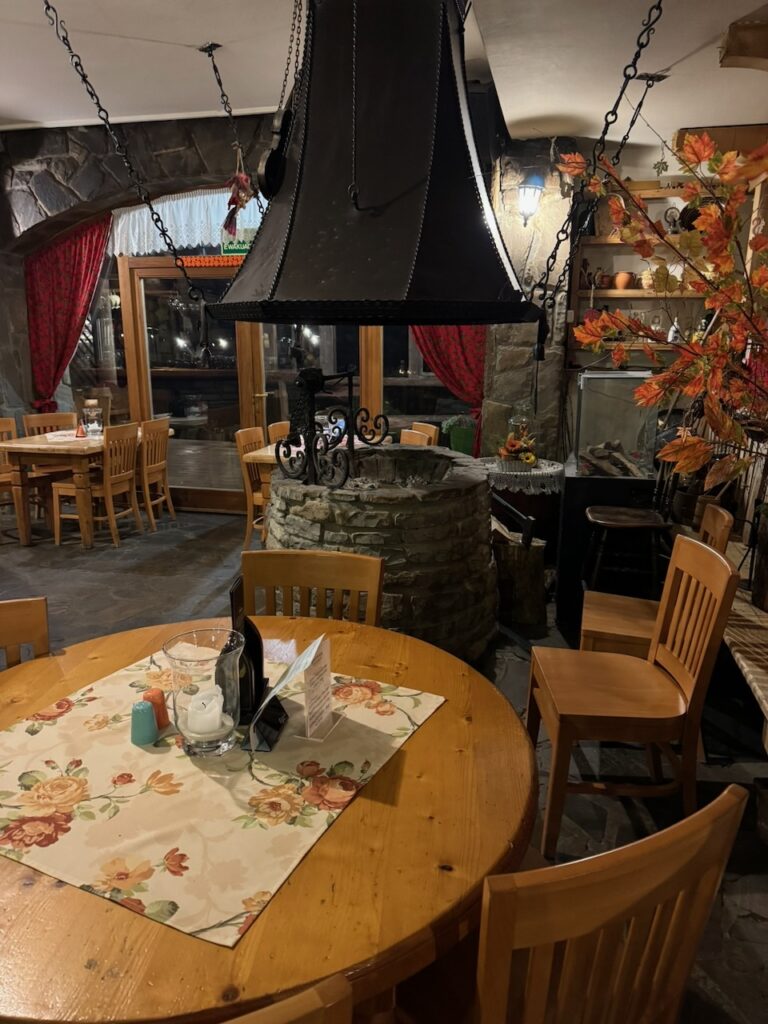
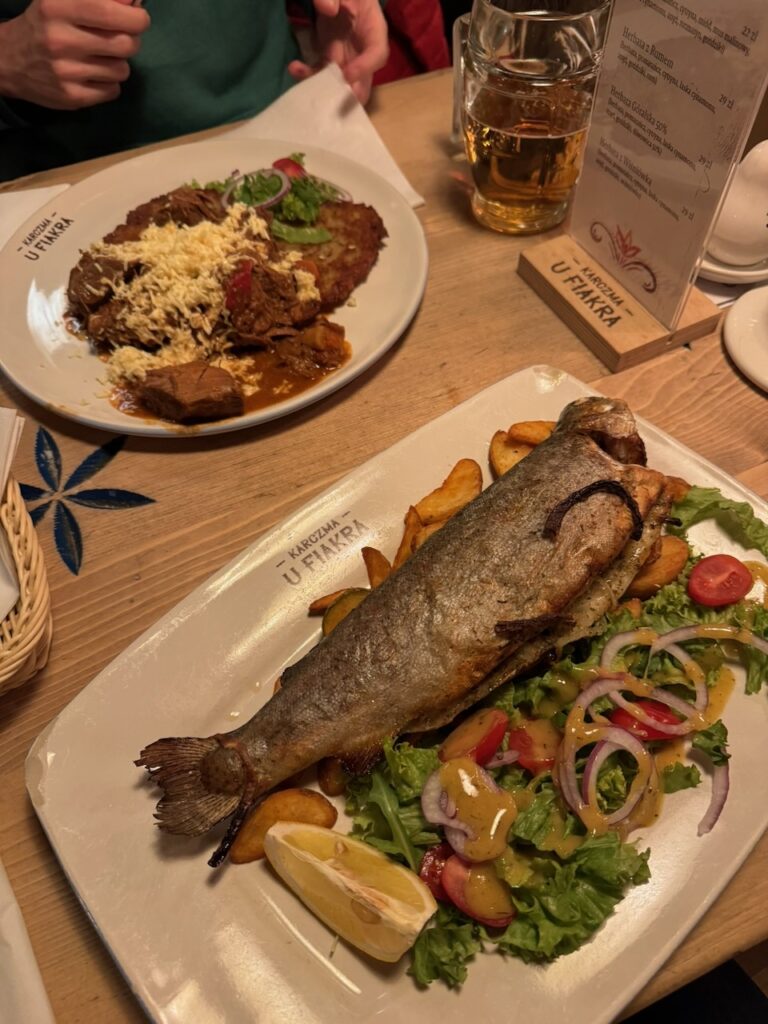
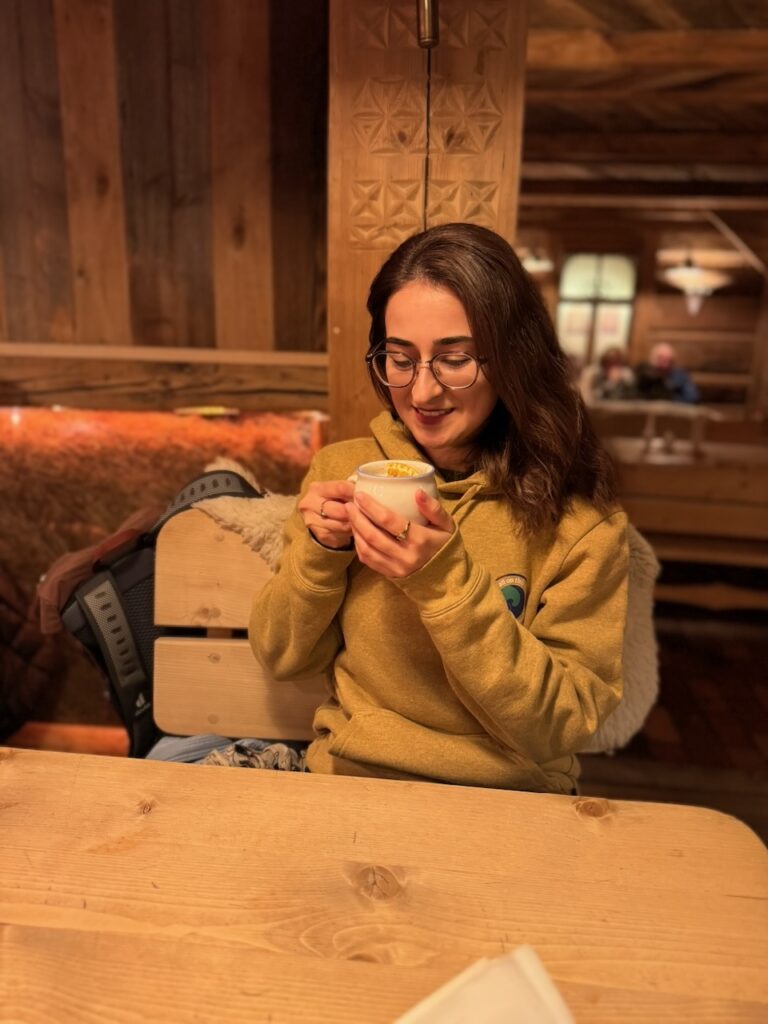
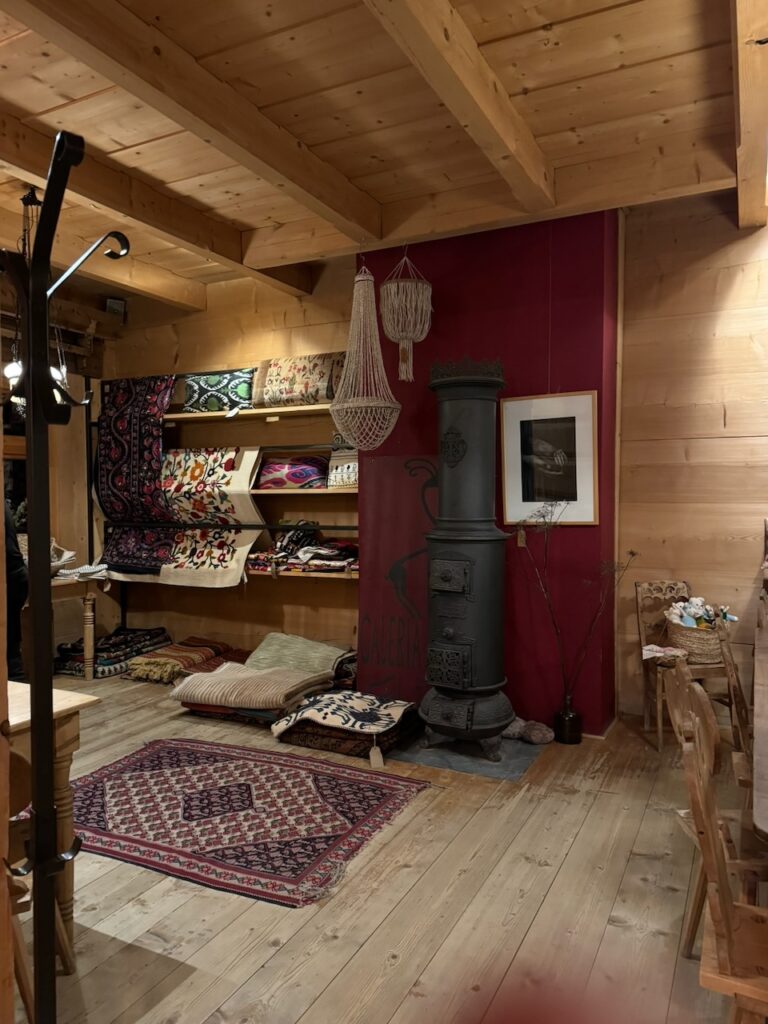
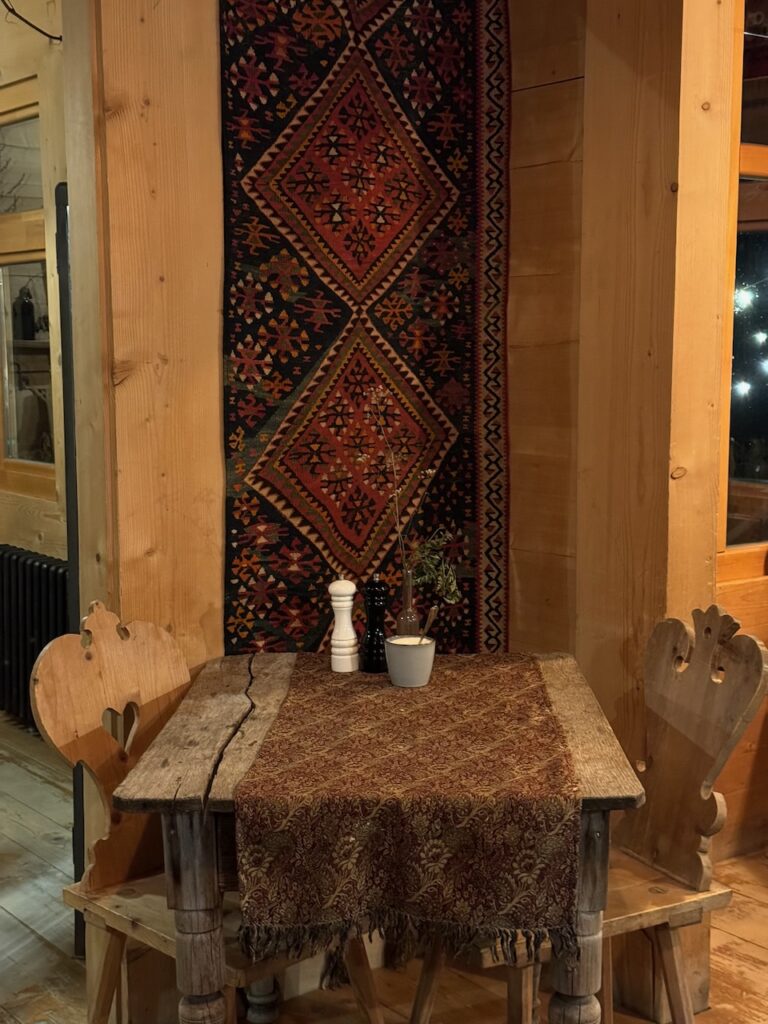
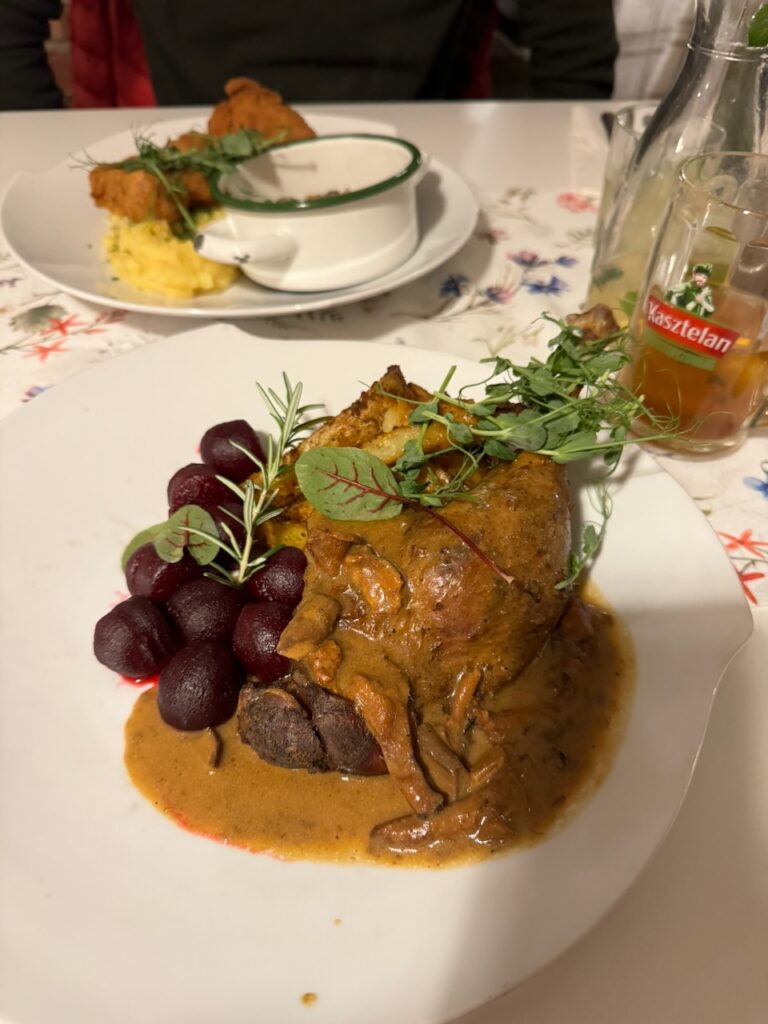
Our first recommendation is Karczma u Fiakra, right in Zakopane center and very easy to reach. We hadn’t planned to eat in the center at all, but on our first evening we were strolling around, got hungry, and were drawn in by how warm and inviting it looked. We never regretted it. The food is excellent (not the cheapest, but worth it), and the interior is beautifully traditional, with live musicians playing throughout the evening and a grandpa singing his heart out.
For something simple, cheap, and unforgettable, head slightly out of town to Pierogi z Podhala. They serve only pierogi, all freshly made, and you can order any filling in any number you want. They’re made right there by local grandmas, and it’s the kind of place where you happily eat pierogi until you question your life choices — in the best way.
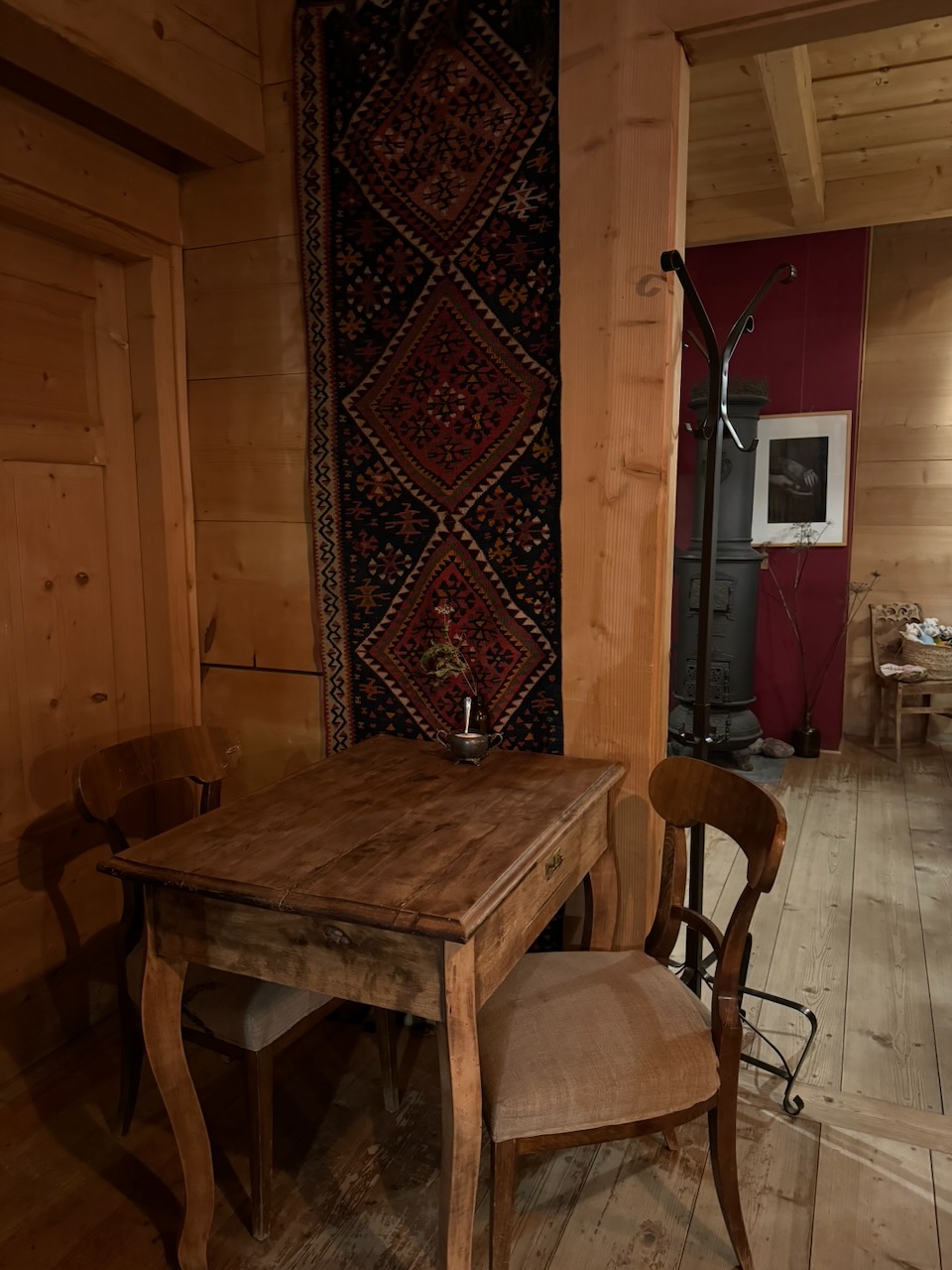
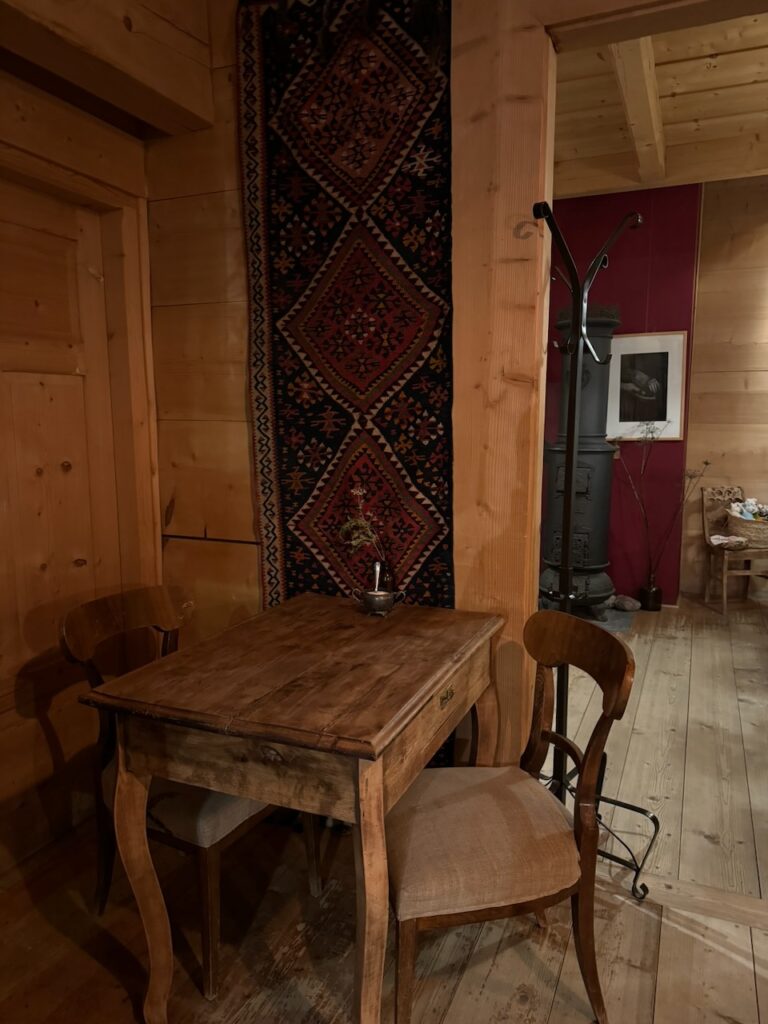
Finally, two absolute standouts: Czarci Jar (Karczma Regionalna), which will warm your heart with its rustic interior and comforting regional food, and Karczma “Biały Potok”, a more refined, almost fine-dining take on traditional Polish cuisine. Both are stunning inside, deeply local in spirit, and exactly the kind of places that make you want to linger long after the plates are cleared.
Day 8-10: Kraków – The Cultural Hub
Finish your journey in Kraków, a city that boasts a rich history and vibrant cultural scene. Krakow, one of Poland’s oldest and most beautiful cities, is a treasure trove of history and culture. Situated on the Vistula River in the Lesser Poland region, Krakow dates back to the 7th century. It was the capital of Poland from 1038 to 1596 and later served as the capital of the Grand Duchy of Krakow from 1846 to 1918.
Throughout its history, Krakow has been under various rulers, including the Duchy of Bohemia, the Kingdom of Poland, the Polish-Lithuanian Commonwealth, and the Austrian Empire. The city’s rich past is reflected in its stunning architecture, vibrant cultural scene, and numerous historical landmarks
Things to Do and See in Krakow
Wawel Castle
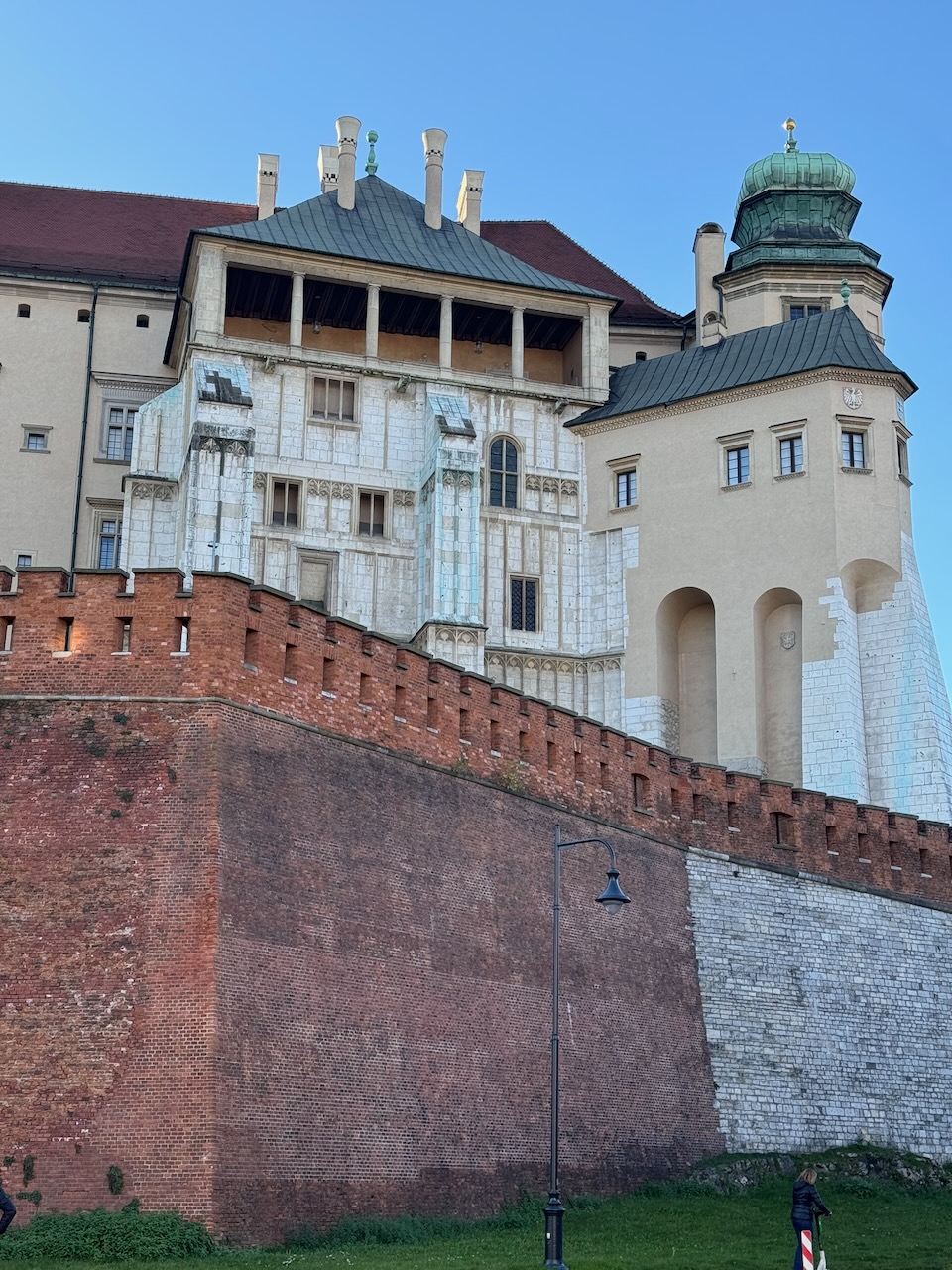
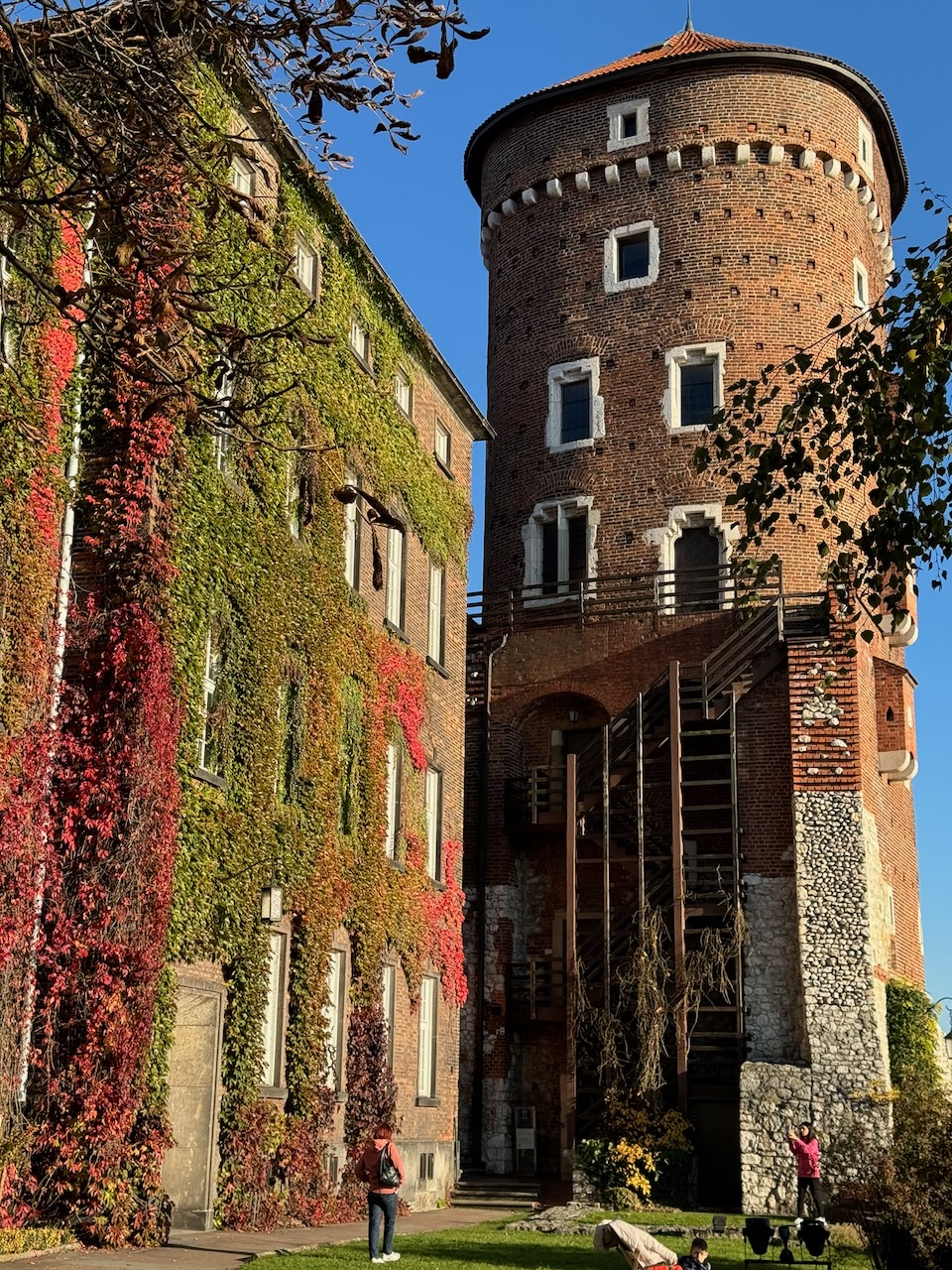
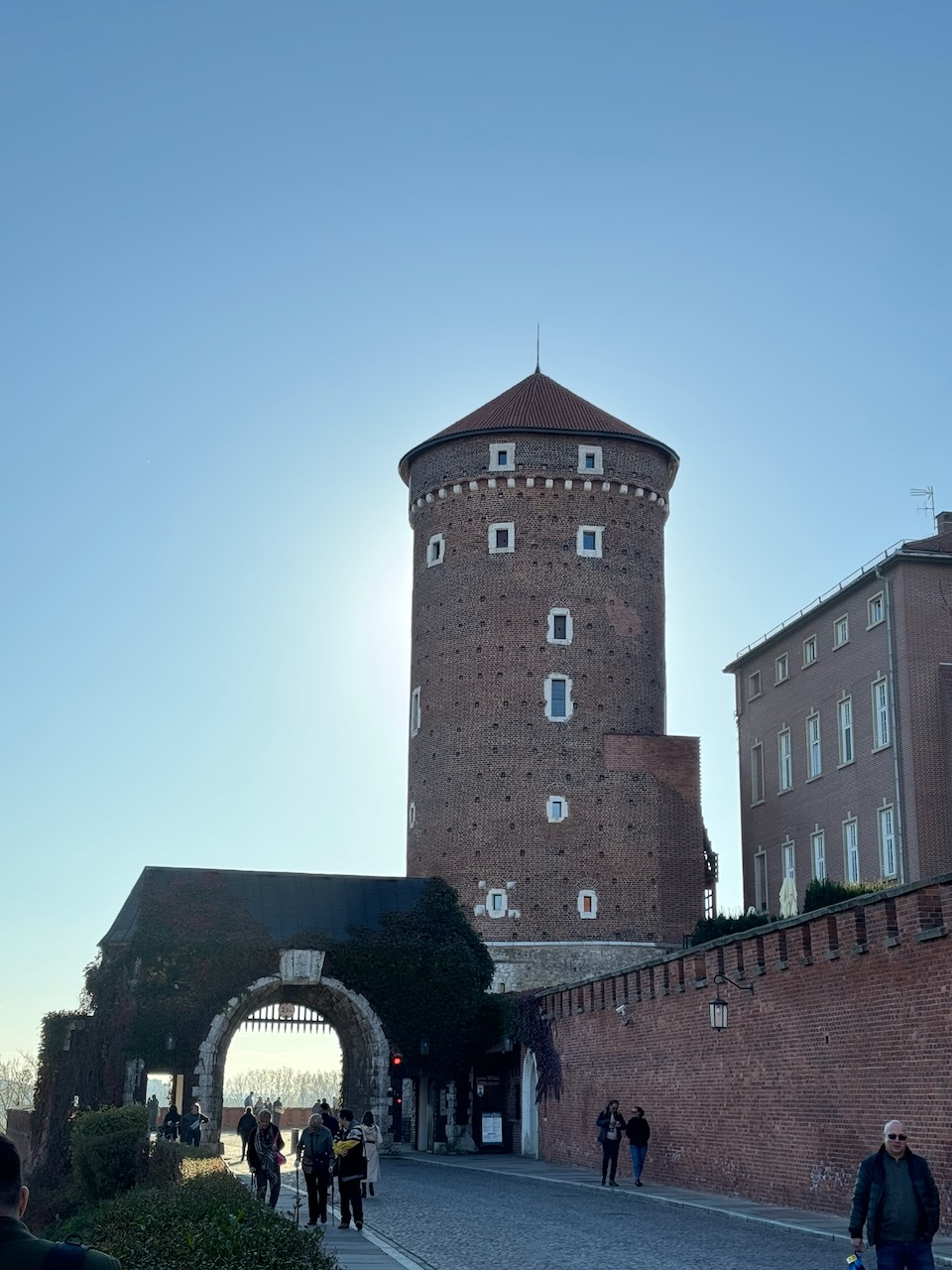
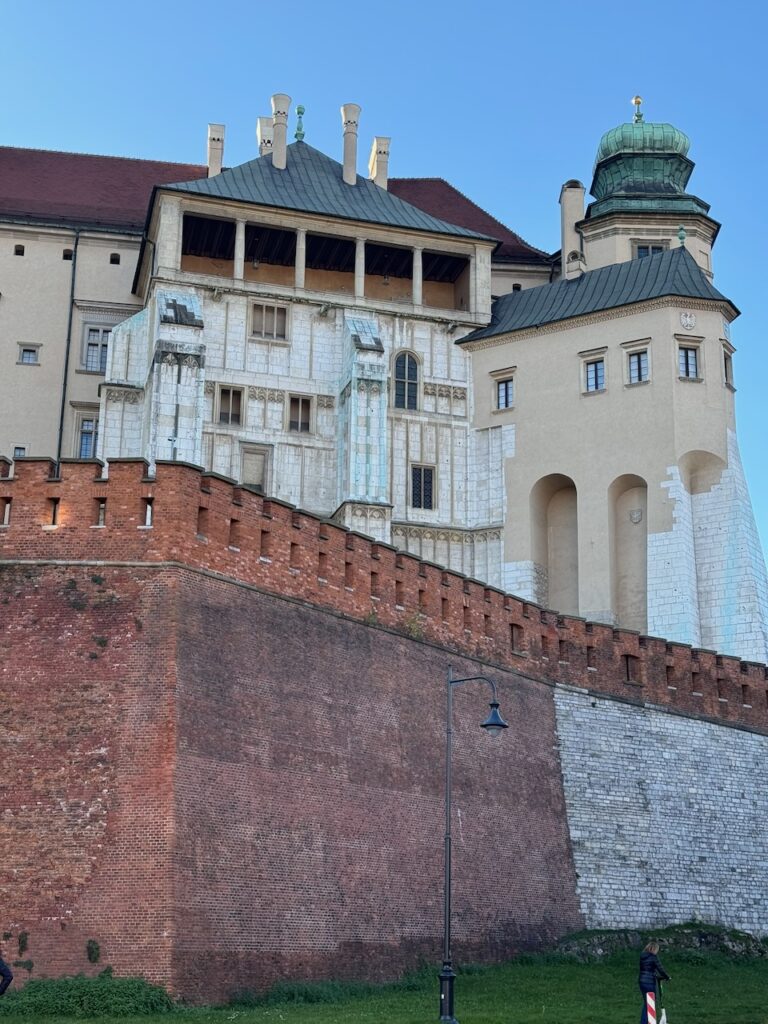
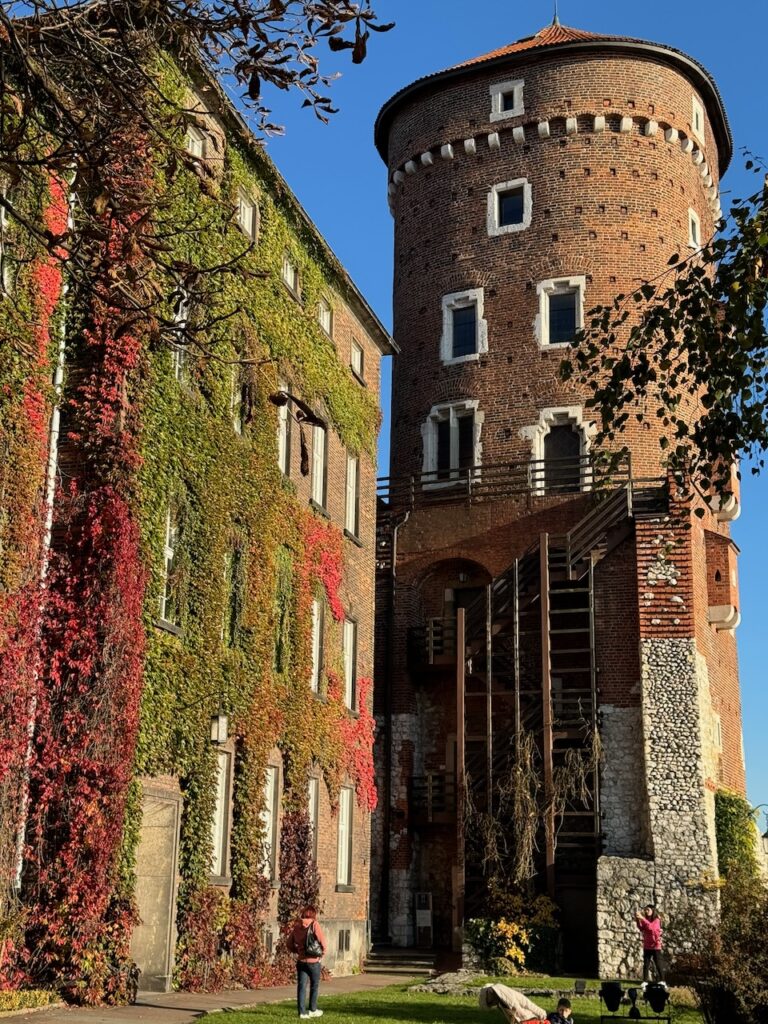
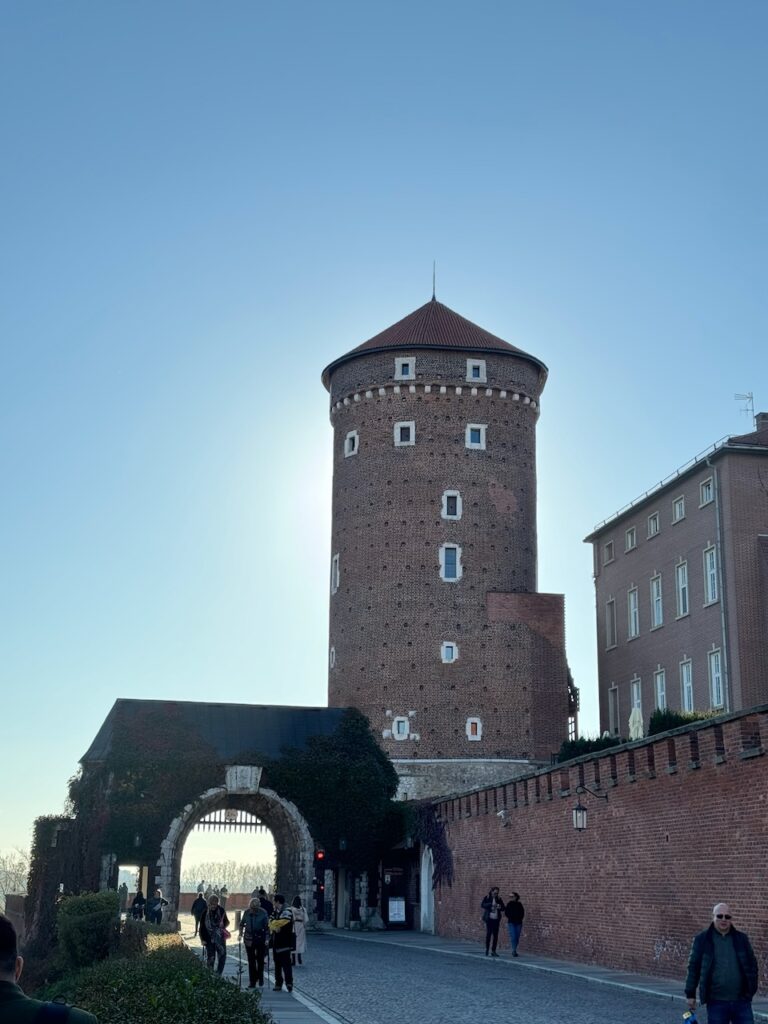
Wawel Castle is an unmissable landmark in Krakow. Wawel Royal Castle is not just a single building but a sprawling complex that includes a variety of structures, each with its own historical and architectural significance. Here’s a closer look at what makes this site so fascinating:
- Wawel Cathedral: This Gothic cathedral is the spiritual heart of Poland, where many Polish kings were crowned and buried. It houses the famous Sigismund Bell and the crypts of national heroes.
- State Rooms and Royal Private Apartments: These rooms showcase the opulence of the Polish monarchy, with lavish decorations, tapestries, and period furniture. The castle’s courtyard is a stunning example of Renaissance architecture, designed by Italian architect Bartolomeo Berrecci. The arcaded galleries and loggias are reminiscent of Italian palaces, reflecting the influence of the Italian Renaissance on Polish architecture.
- Crown Treasury and Armory: This section displays the crown jewels, royal insignia, and an impressive collection of arms and armor.
- The Lost Wawel: An exhibition that explores the archaeological history of Wawel Hill, showcasing artifacts from different periods.
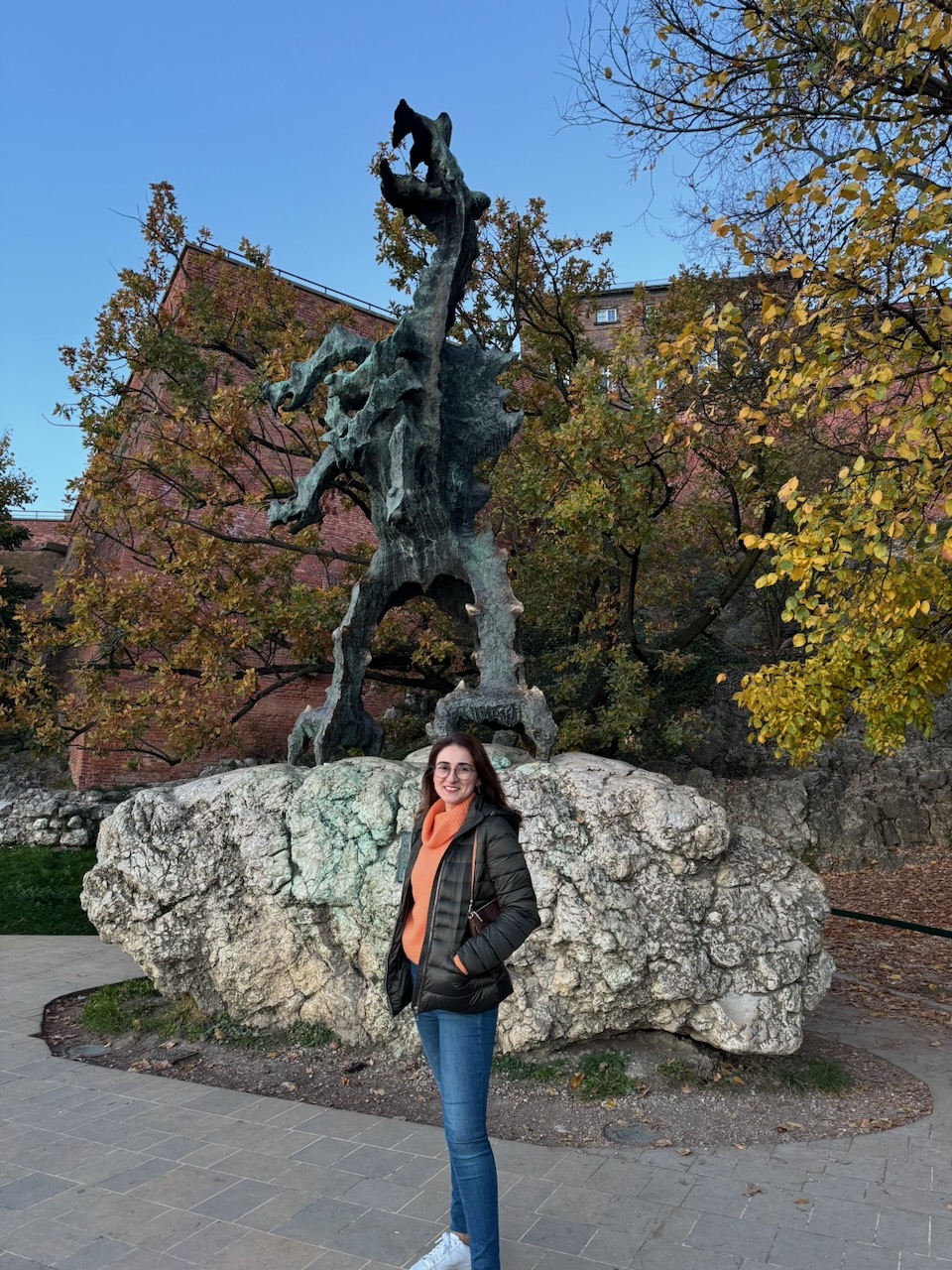
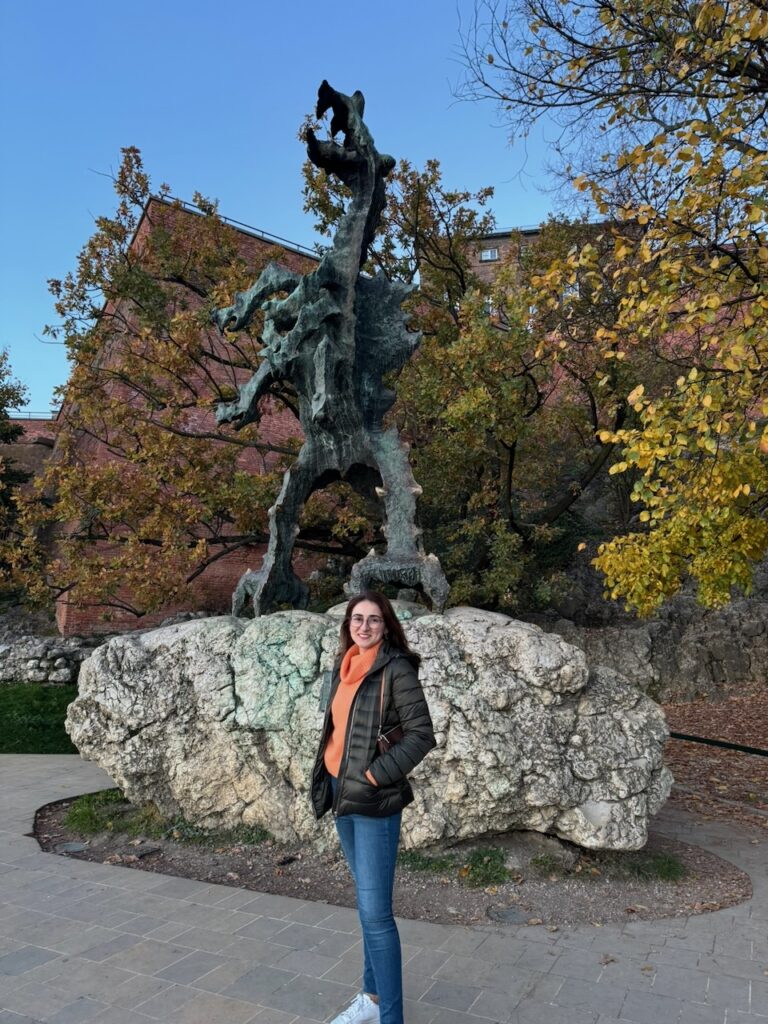
- The Dragon’s Den (Smocza Jama): A limestone cave beneath the castle, linked to the legend of the Wawel Dragon. At the foot of Wawel Hill, near the entrance to the Dragon’s Den, stands a bronze statue of the Wawel Dragon. Created by Polish sculptor Bronisław Chromy and installed in 1972, this statue is a popular attraction. It breathes fire every few minutes, delighting visitors with its dramatic display.
Fun Fact:
Hanging at the entrance of Wawel Cathedral are a set of large bones, believed to be the remains of the legendary Wawel Dragon. According to local folklore, these bones are said to protect the city from destruction. However, scientific analysis suggests they are likely the bones of a whale or mammoth.
The entire complex is open to the public, allowing you to wander through its majestic courtyards and admire the stunning architecture and surroundings. Even if you don’t visit any of the exhibitions, simply strolling within the castle walls and witnessing the breathtaking sunset over the riverside is an experience you won’t want to miss. Trust me, it’s worth it.
The Main Market Square and St. Mary’s Basilica
Krakow’s Main Market Square, known as Rynek Główny, is the largest medieval town square in Europe, covering an impressive 40,000 square meters1. Established in 1257, it has been the city’s social, cultural, and economic hub for centuries.
The square is a hive of activity, with cafes, restaurants, street performers, and horse-drawn carriages adding to its charm. During the winter, it hosts a lively Christmas market.
Key Highlights of the Main Market Square:
Cloth Hall (Sukiennice): Located at the center of the square, the Cloth Hall dates back to the 13th century and was originally a major center for international trade. Today, it houses souvenir stalls and the Gallery of 19th-Century Polish Art.
When you’re in front of the Cloth Hall at the Main Market Square, try to spot an old knife hanging from the ceiling. This knife is more than just a curious artifact; it has a fascinating and somewhat grim history.
In the Middle Ages, theft was a serious crime, and punishments were severe. The knife hanging in the Cloth Hall served as a stark reminder of the consequences of stealing. Thieves caught in the act could face brutal penalties, such as losing an ear or even an arm. Interestingly, the original knife is believed to have been stolen during World War II, and the one displayed today is a replica.
Town Hall Tower: This 70-meter tower is the only remaining part of Krakow’s 14th-century town hall. Visitors can climb to the top for a panoramic view of the square and the city.
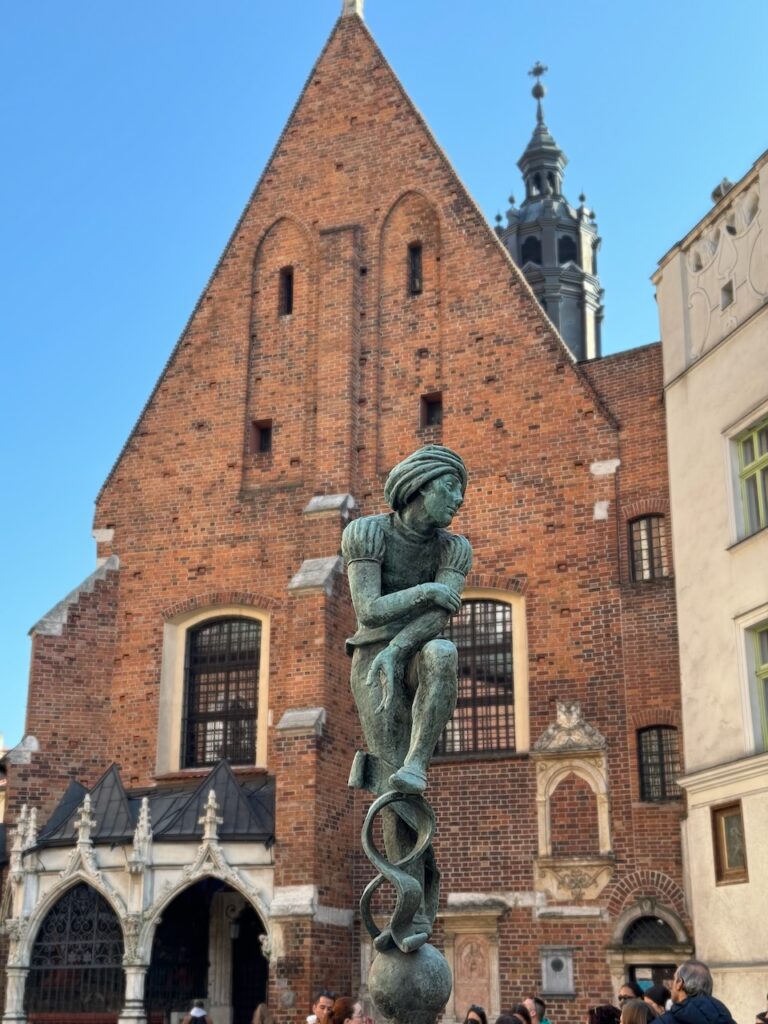
Church of St. Adalbert: One of the oldest stone churches in Poland, dating back to the 10th century, it stands near the exit to Grodzka Street.
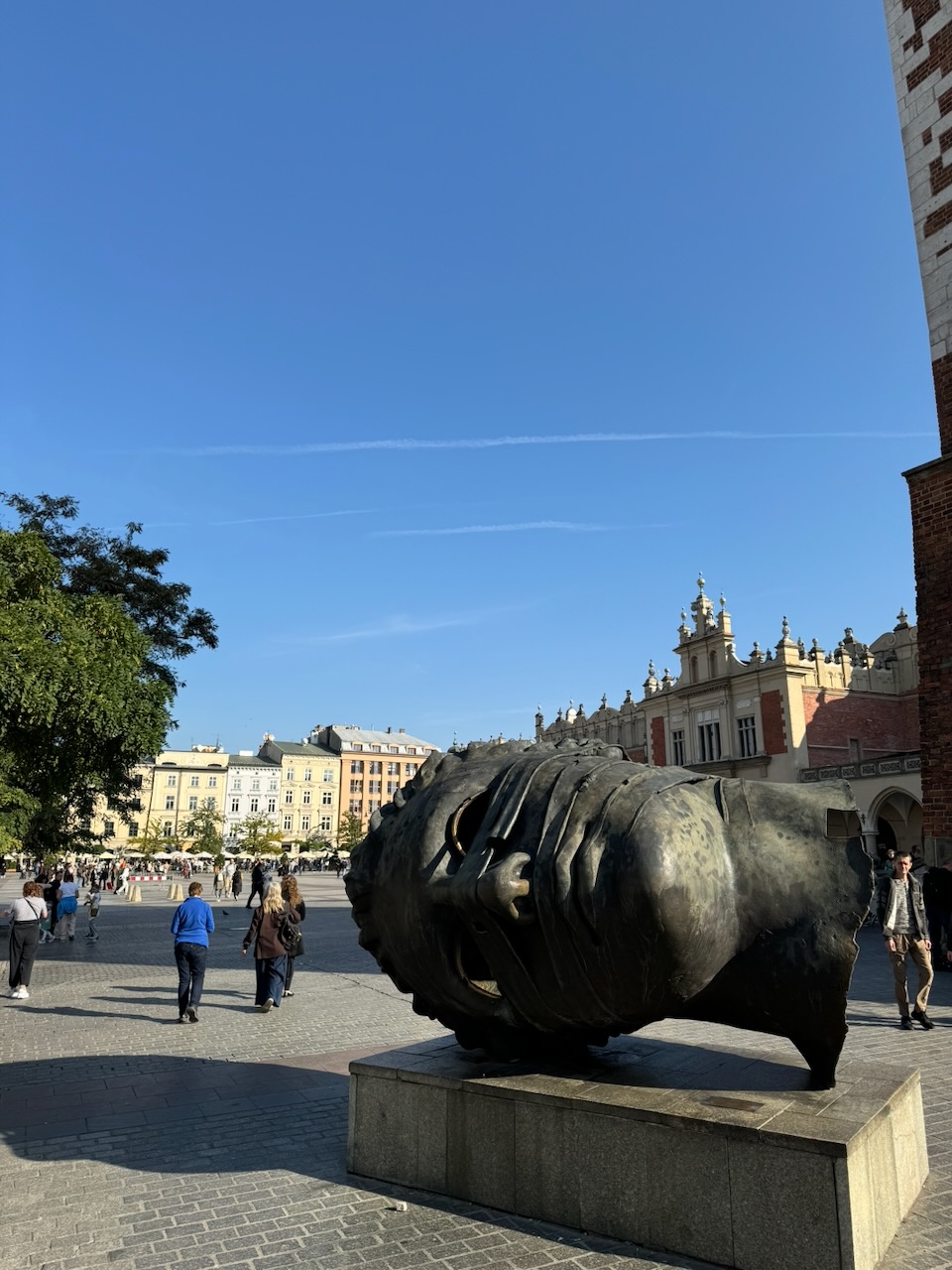
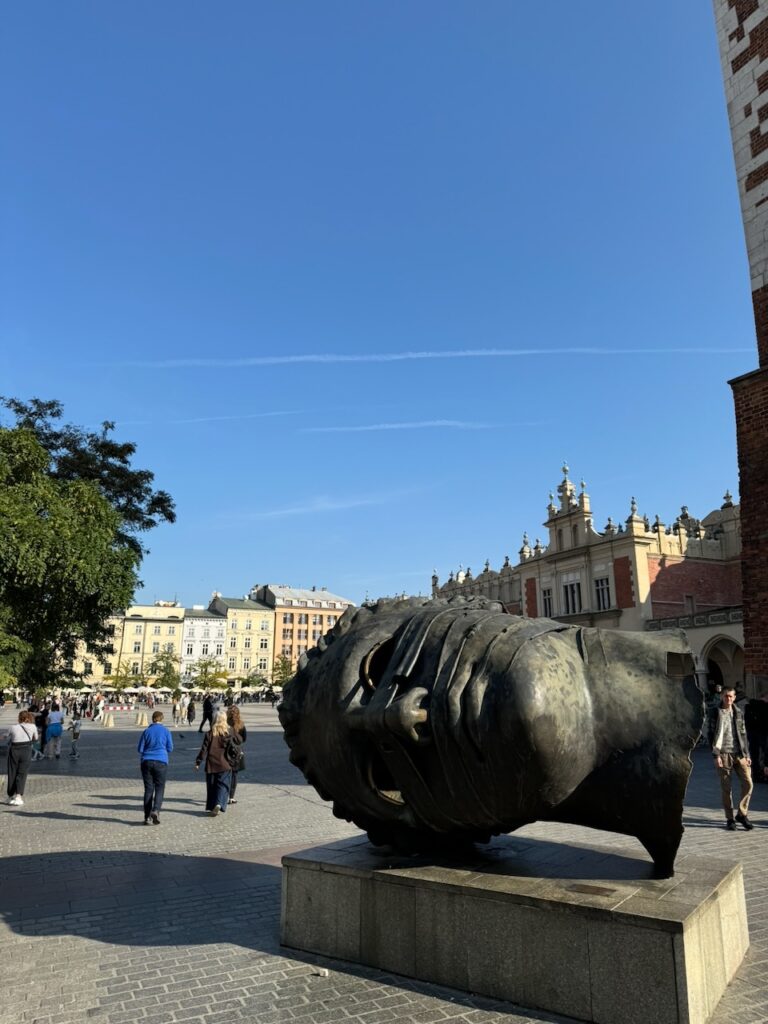
The Head (Eros Bendato): A modern sculpture by Polish artist Igor Mitoraj, this giant bronze head has become a favorite photo spot for visitors.
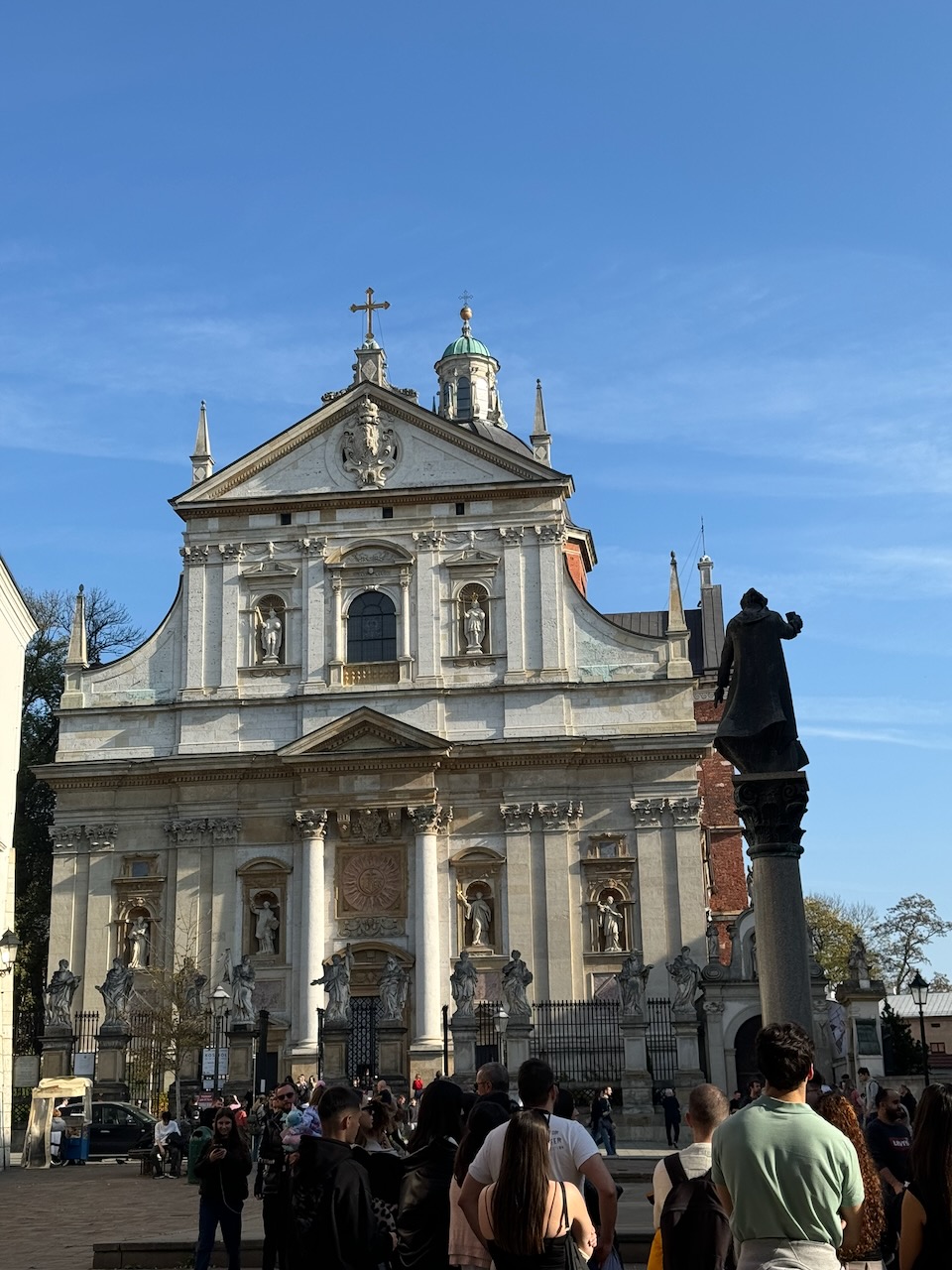
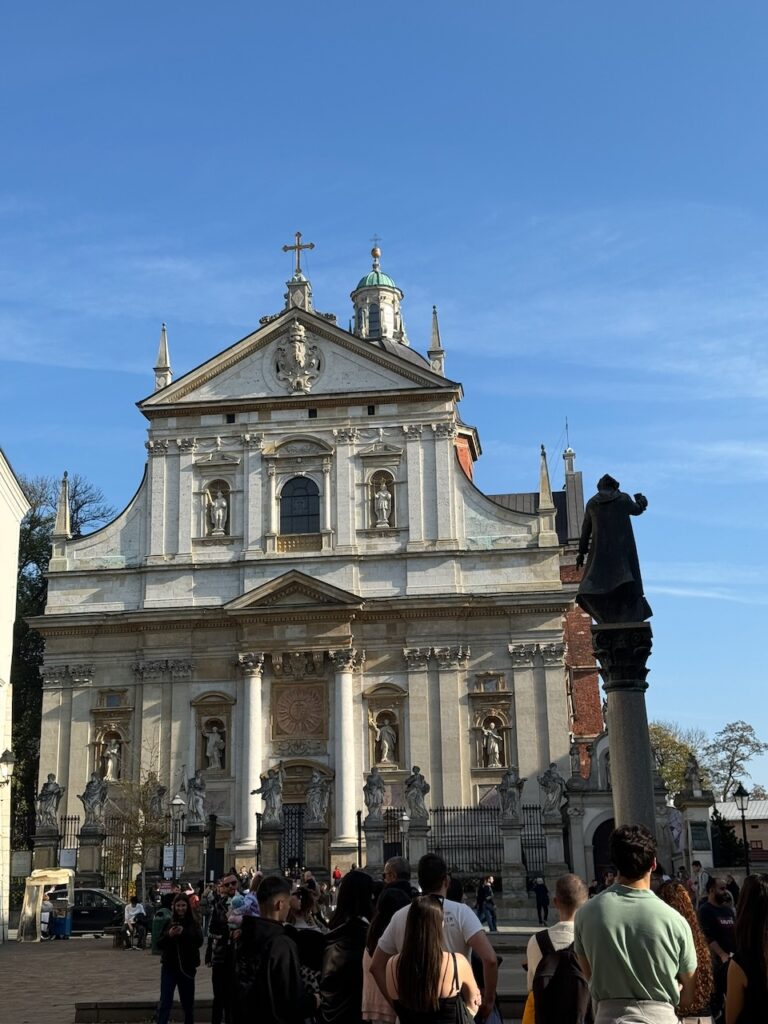
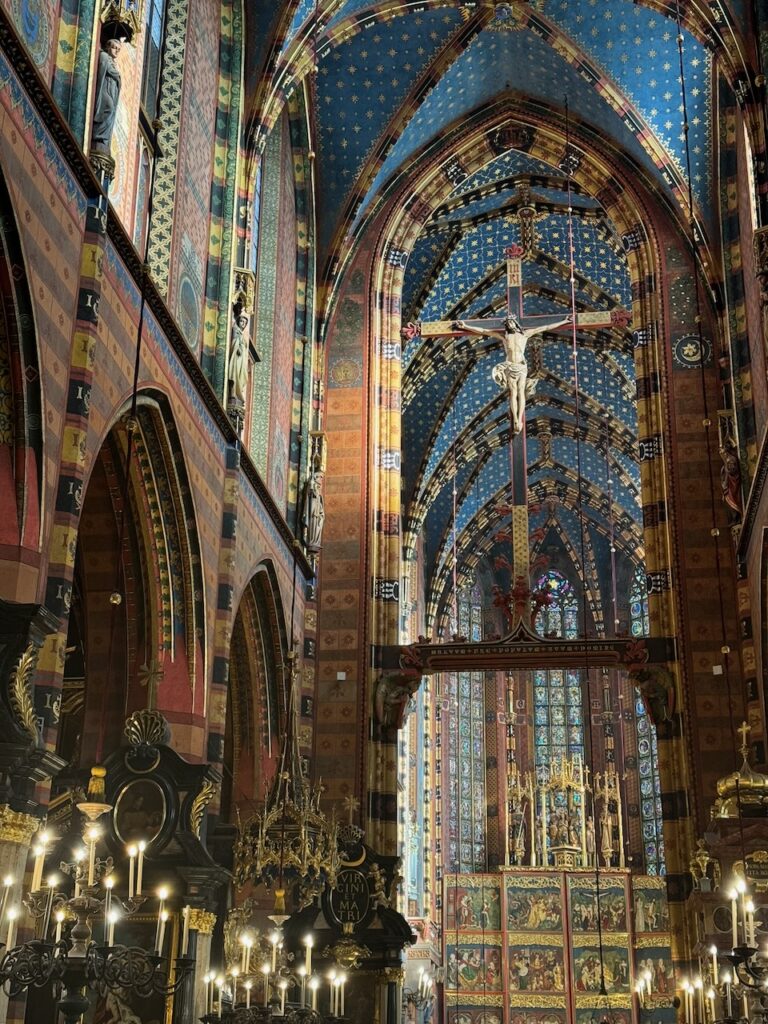
And one of the main highlights of the market square is St. Mary’s Basilica. It is one of Krakow’s most iconic landmarks. This Gothic church, with its distinctive twin towers, has been a central part of the city’s religious and cultural life since the 14th century.
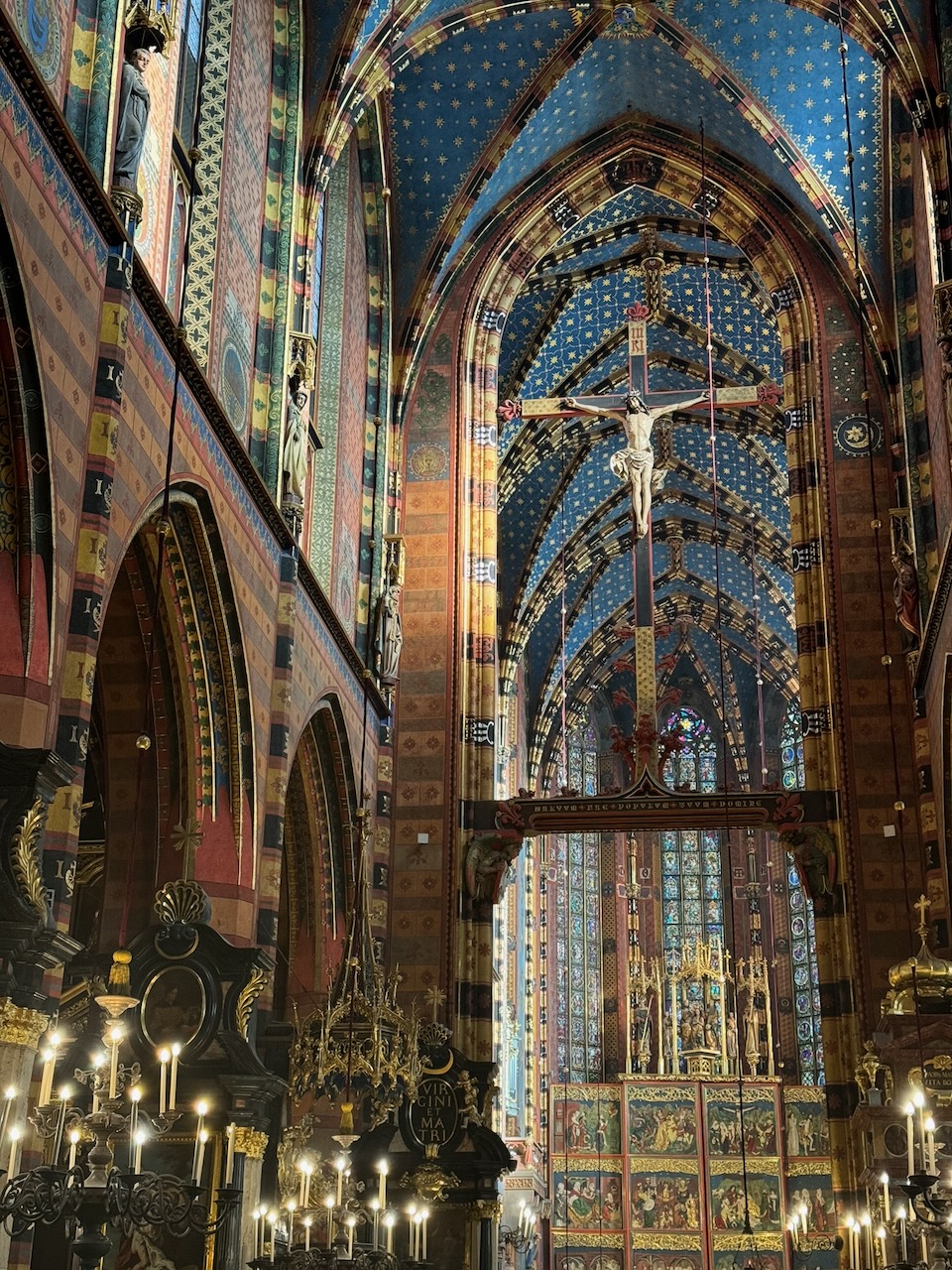
If you’re visiting Krakow, even for a few hours, you have to try to get into the basilica to witness its beautiful interior. You don’t need to buy a ticket to enter the church during prayer hours, as everyone is allowed to step in. You can admire its starry ceiling created by Jan Matejko, which creates the illusion of being under the stars. Additionally, it’s not everywhere that you get to see an original 15th-century wooden altarpiece. The church’s stained glass windows are also a sight to behold.
Visit to Ausschwitz – Birkenau Concentration Camp
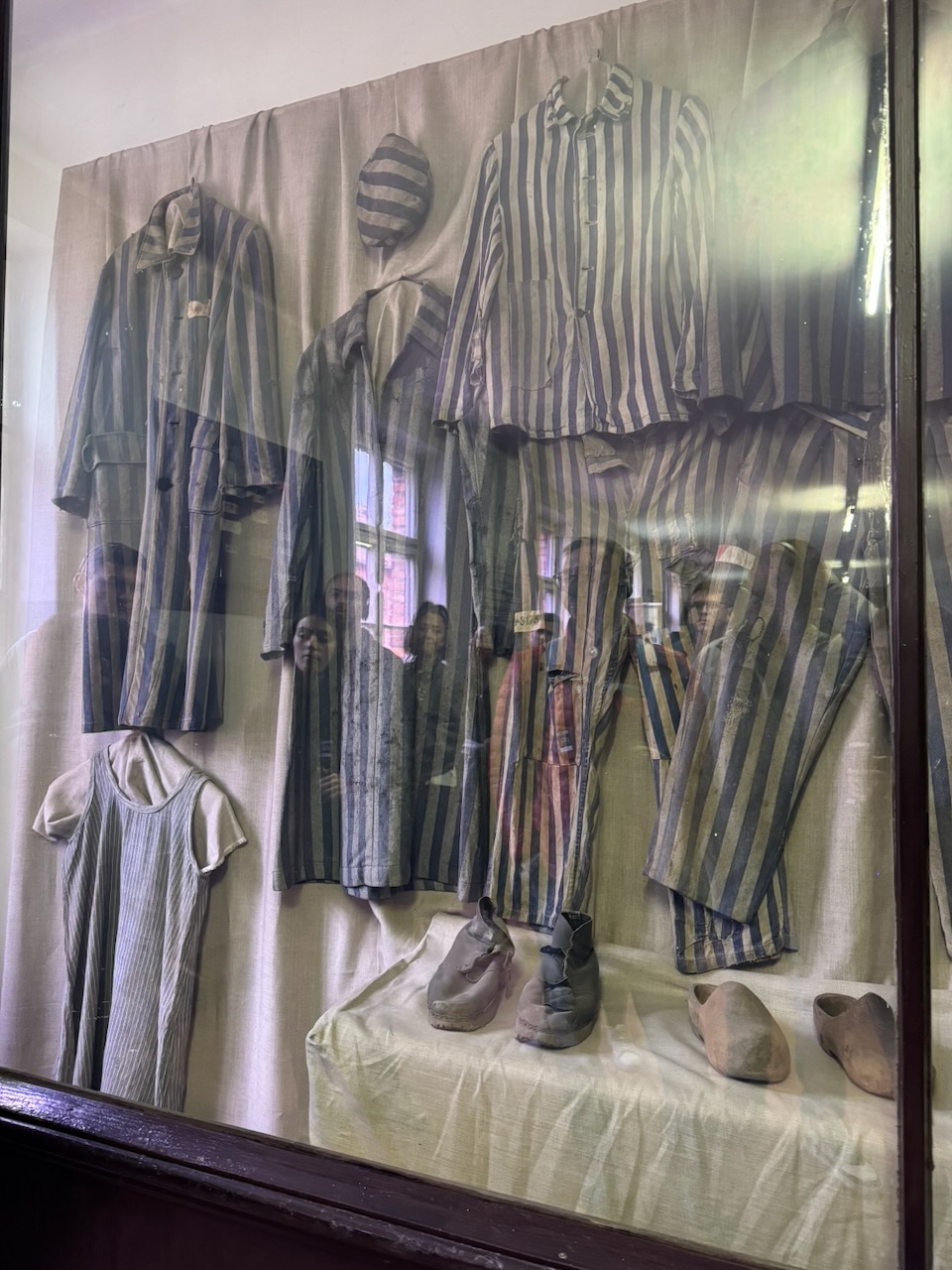
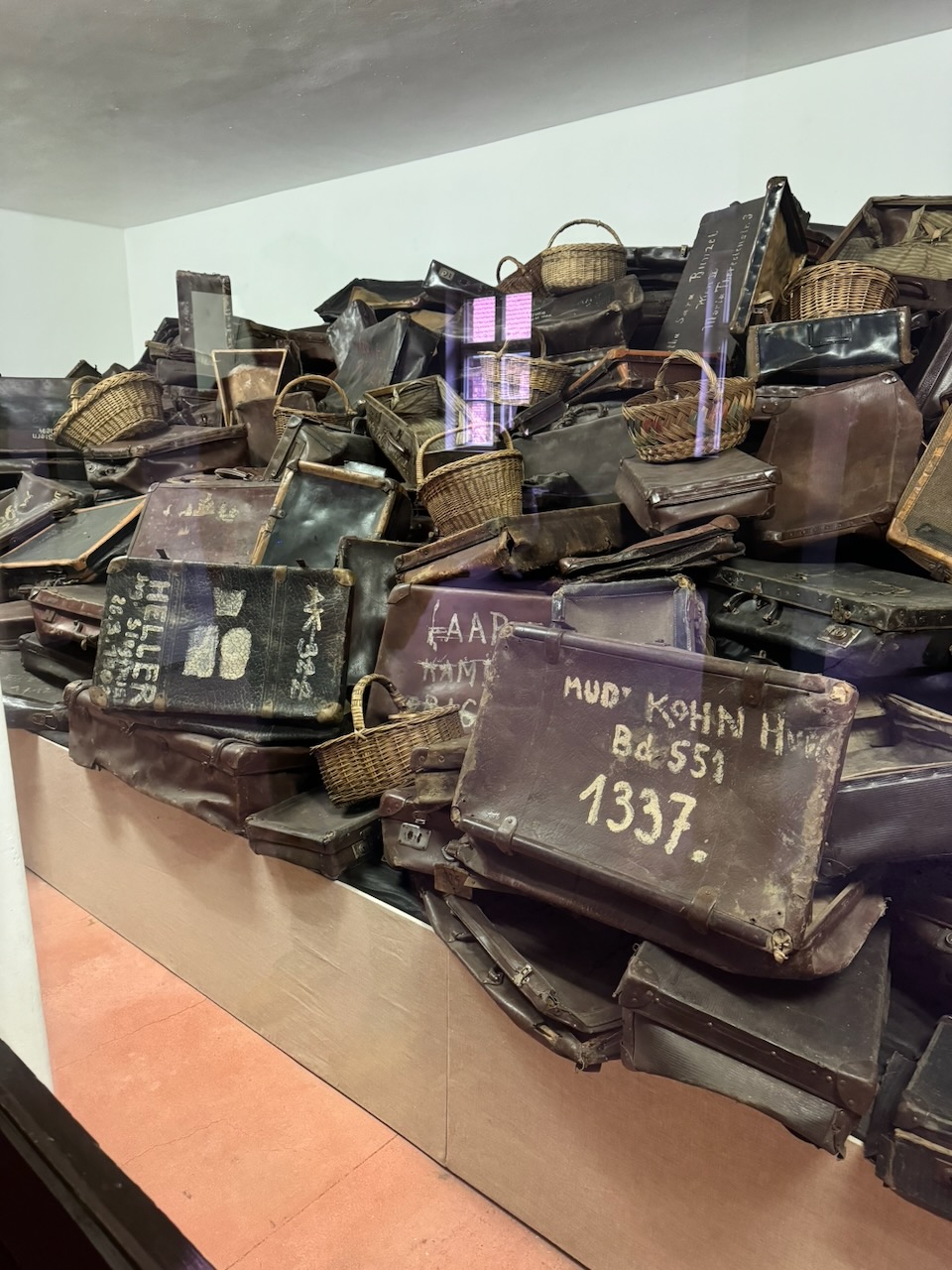
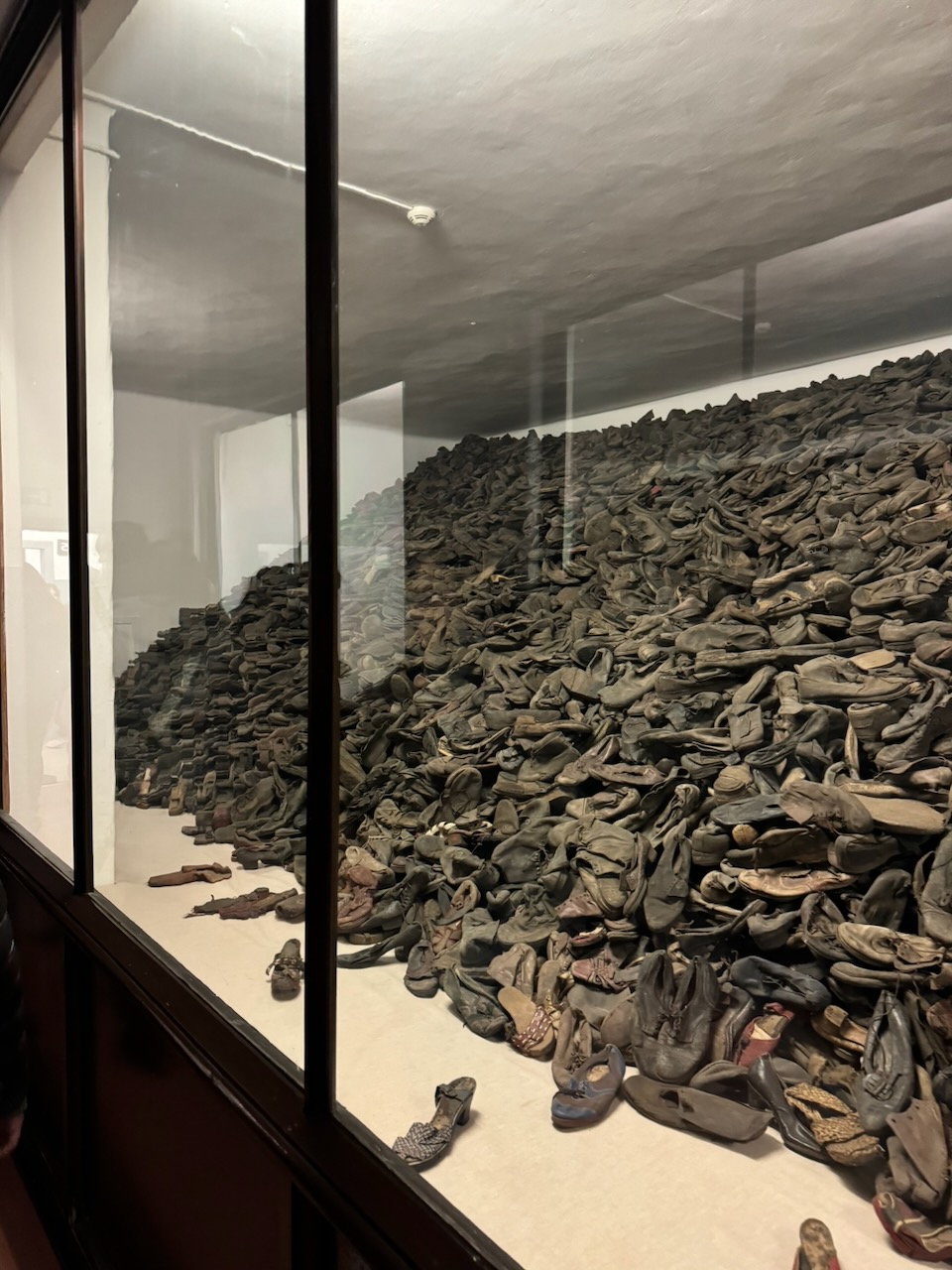
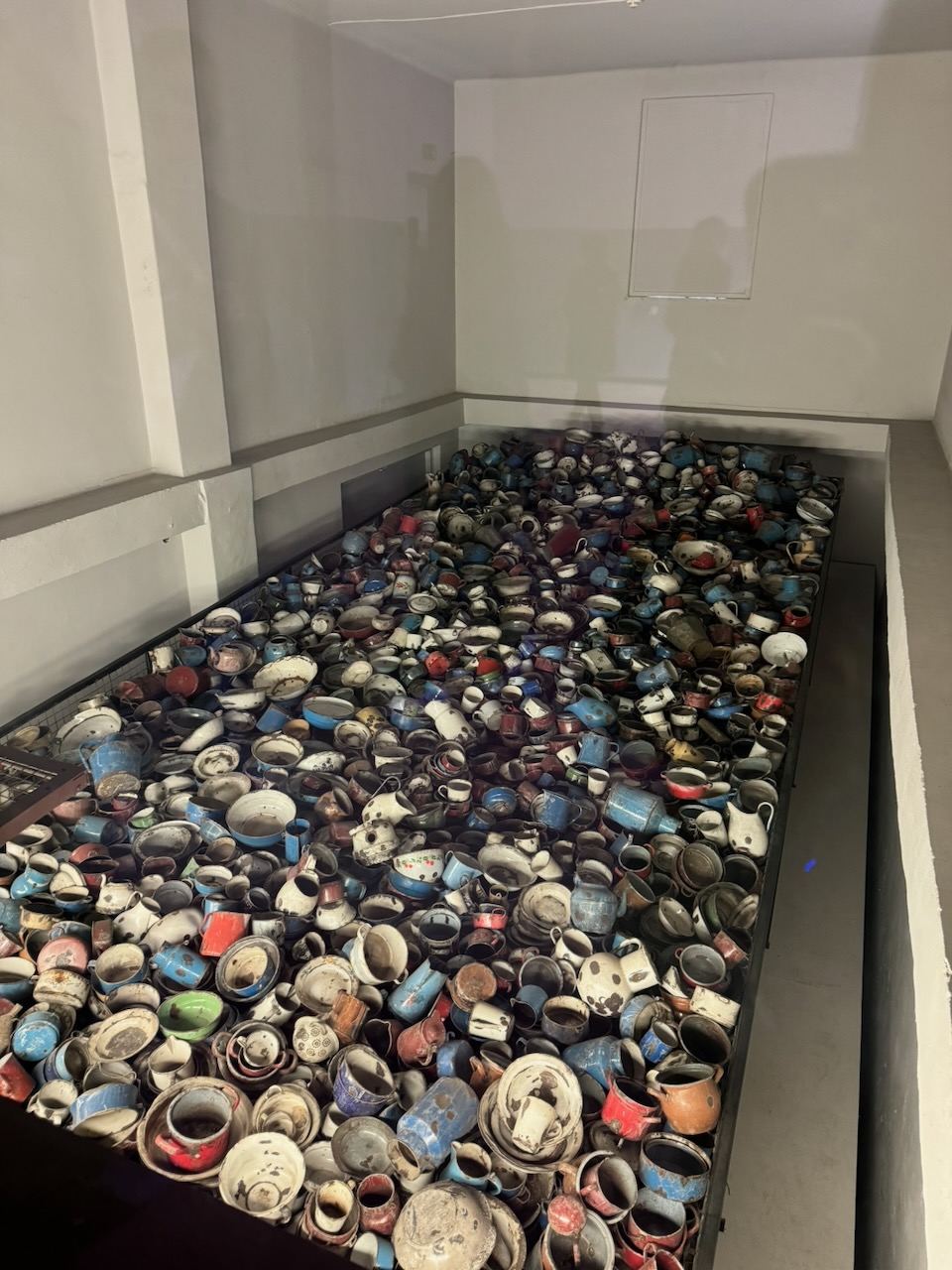
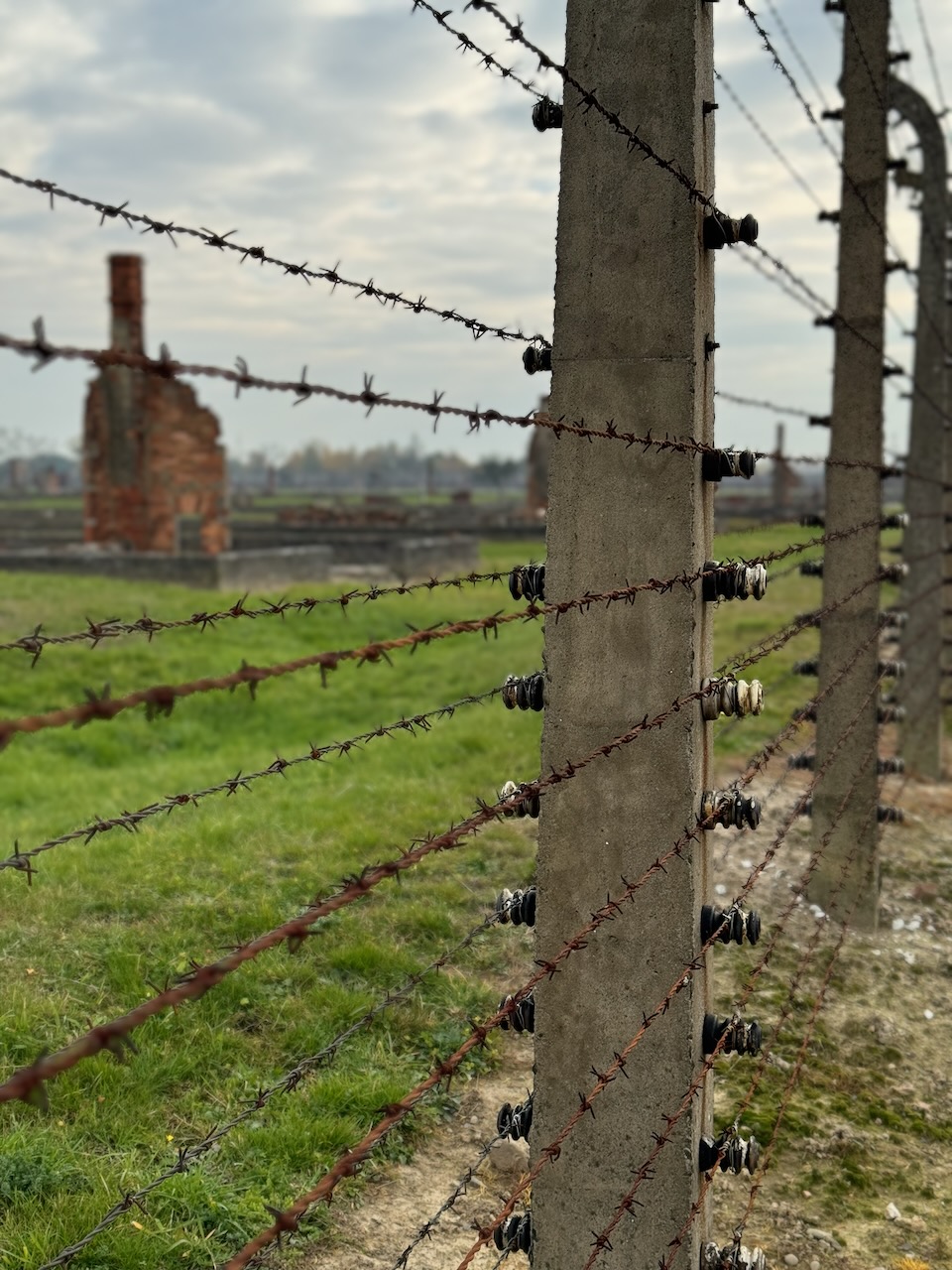
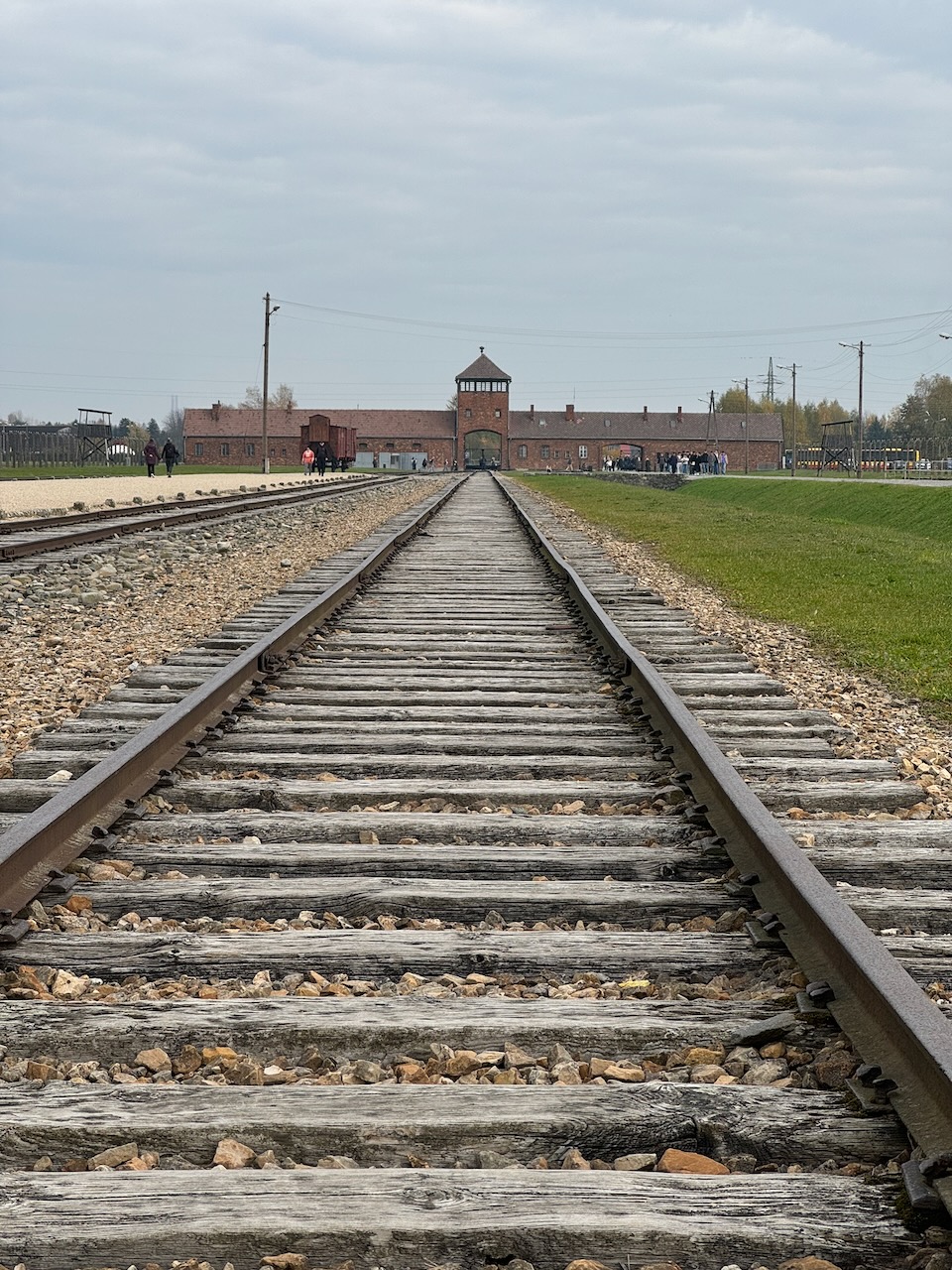
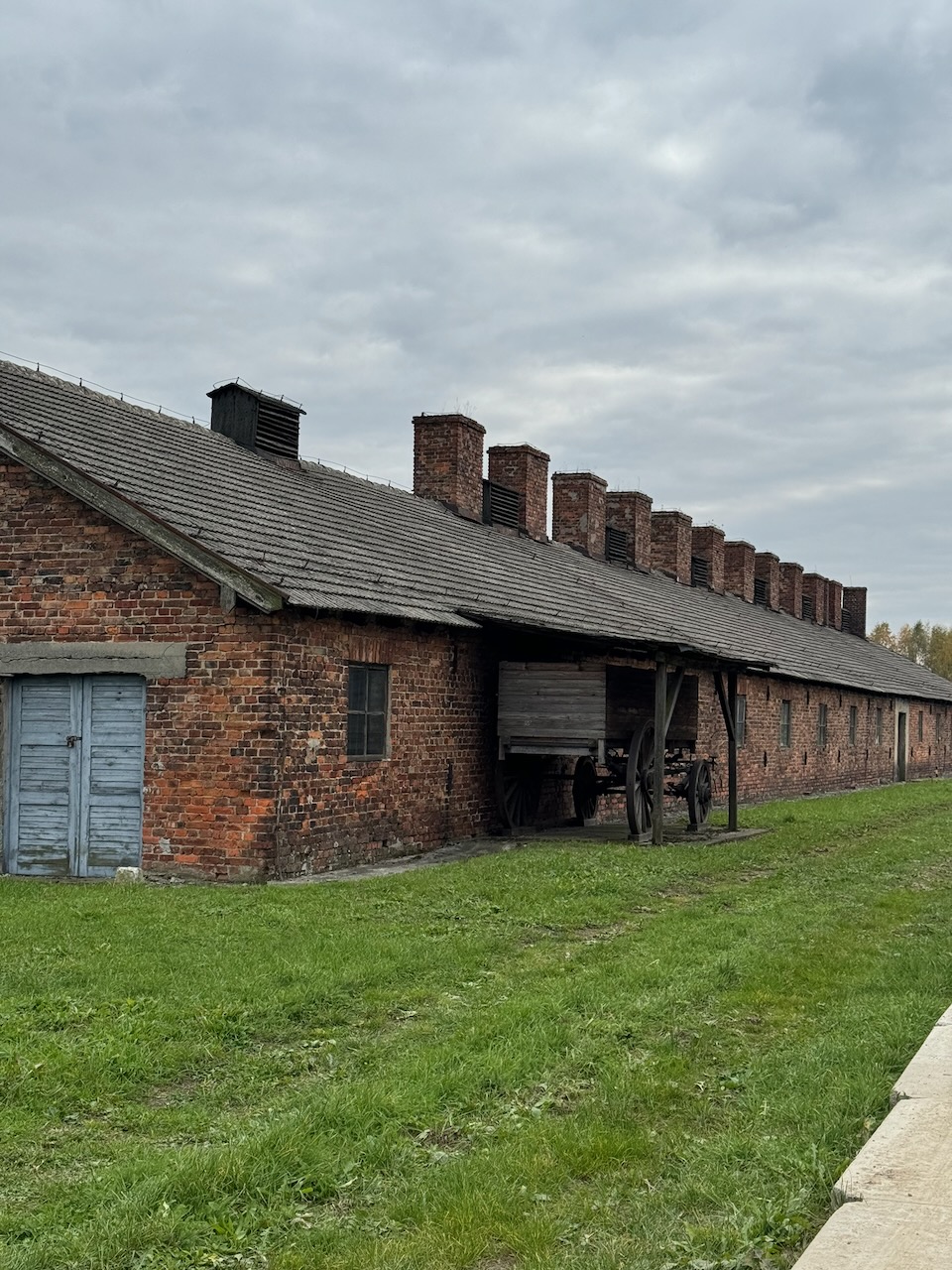
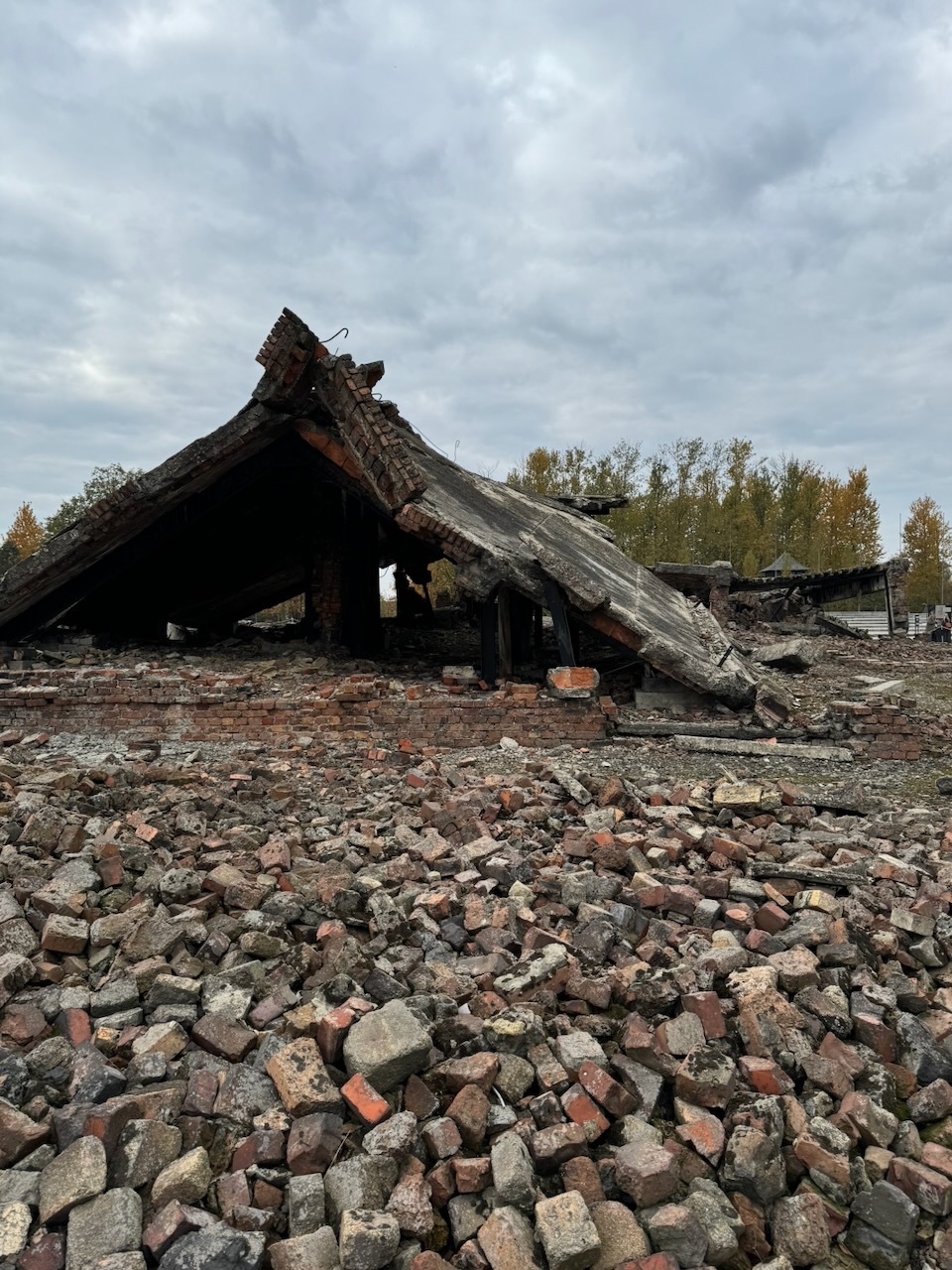
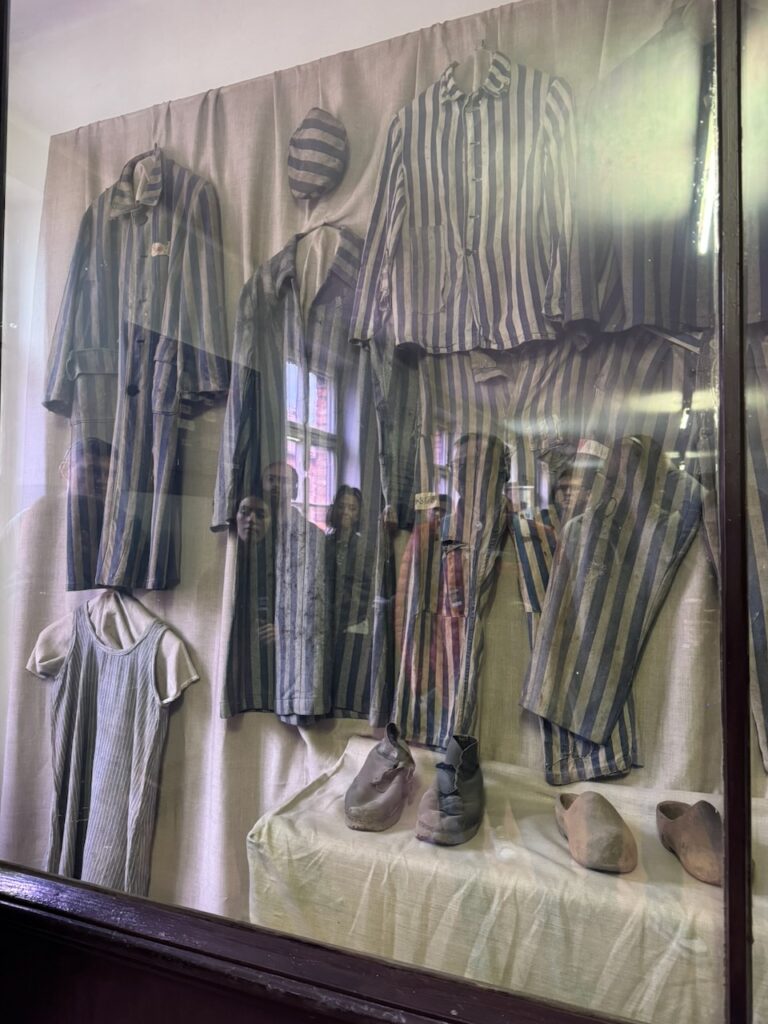
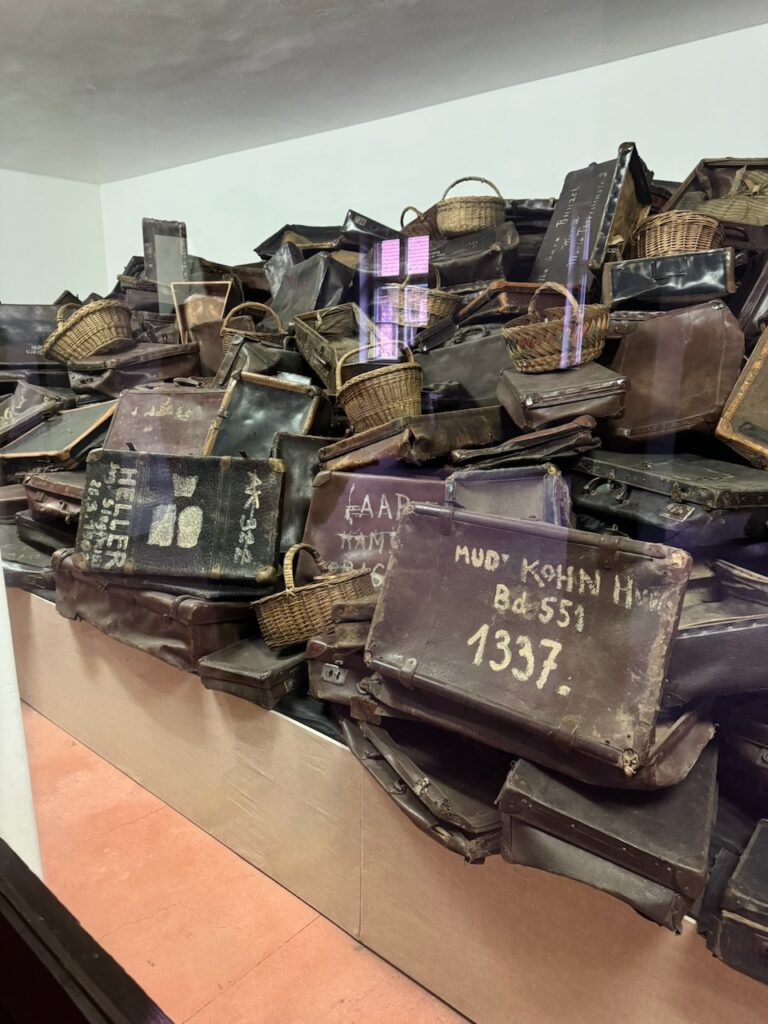
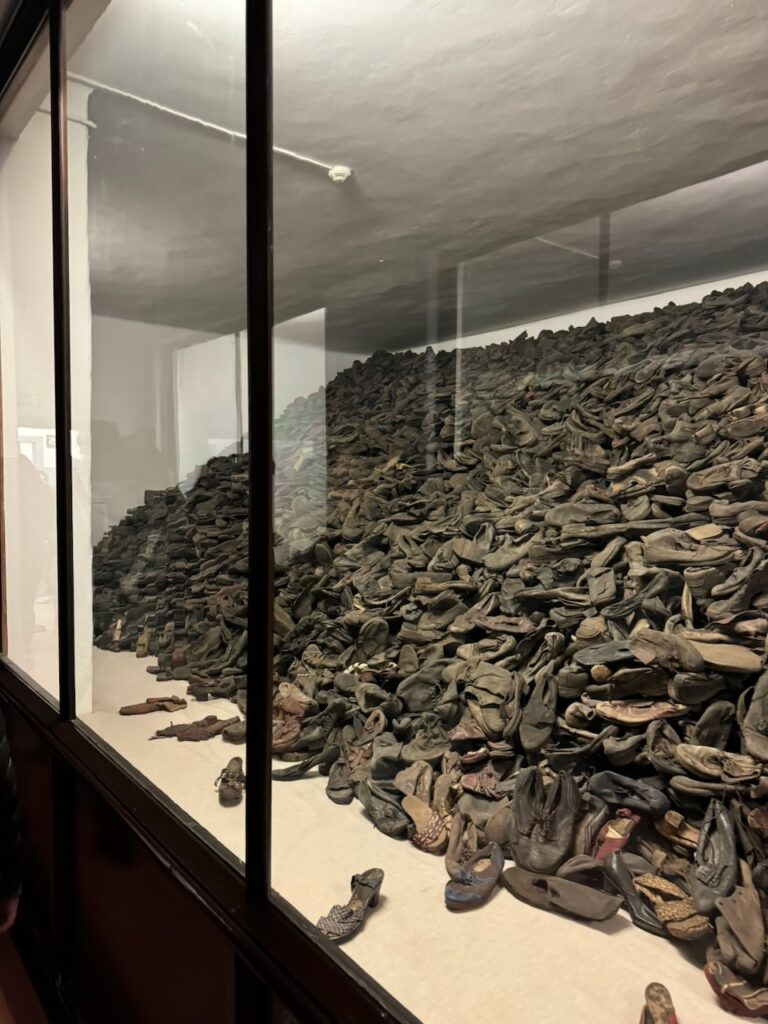
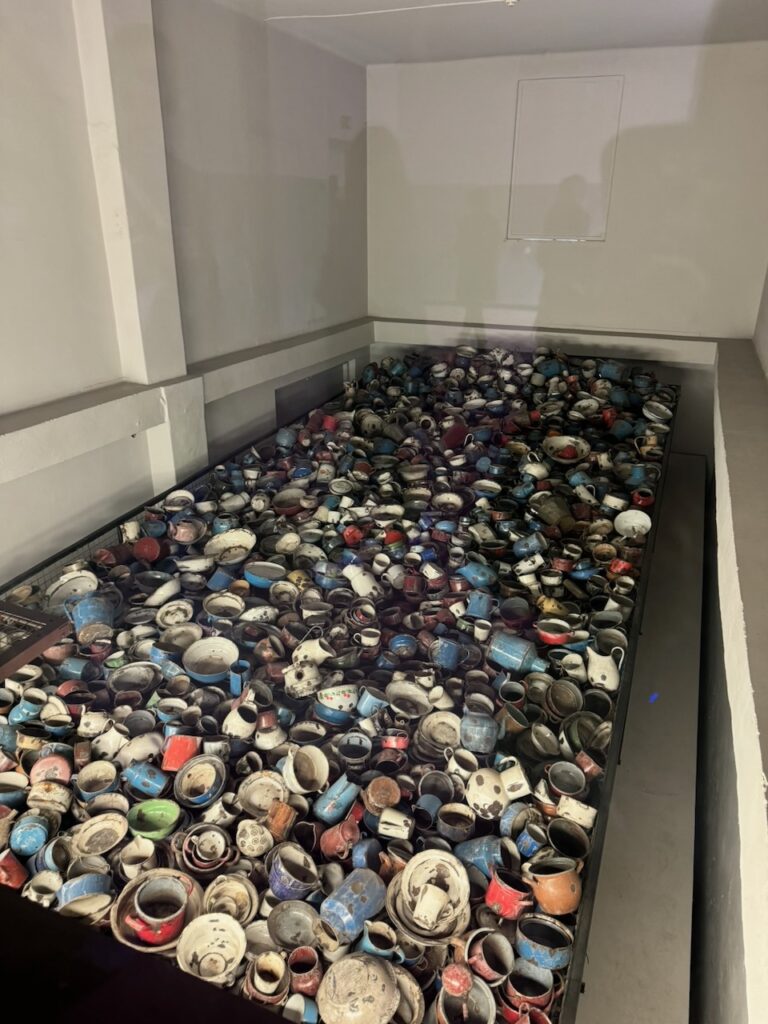
Visiting Auschwitz-Birkenau is not a typical sightseeing experience. It is a solemn journey into one of the darkest chapters of human history; a place where over a million lives were extinguished during the WWII. The camp, preserved as a memorial and museum, stands as a powerful testament to the horrors of the Holocaust.
Planning the Visit – A Matter of Respect and Preparation
If you are considering a visit, plan well in advance. Entry to the memorial is free, but entry passes are limited and must be reserved online. If you wish to join a guided tour, which is highly recommended, book as soon as your travel dates are confirmed, ideally months ahead. Tour groups, especially in English, fill up quickly.
When we booked our visit, it was already a month before our trip, and all English-language tours were fully booked. Fortunately, we speak German and managed to join a German-language group. However, several others in our group did not understand German and were visibly lost throughout the tour. They had assumed they could simply join any group and follow along, but this is not the case. Understanding the narrative is essential. This is not a museum where you can easily navigate on your own. Each location within the camp carries a story, a context, a weight that needs explanation.
Arrival and Parking – Be Early, Be Prepared
The memorial is located in Oświęcim, about 75 km west of Kraków, and is reachable by car, bus, or train. If you’re driving, aim to arrive early in the morning. There is a paid parking lot near the entrance, but spaces can fill up quickly. There is also a free parking area about 20–25 minutes on foot from the entrance. While a shuttle bus is supposed to connect this lot to the museum, we never saw one arrive. Do not rely on the shuttle, otherwise you may risk missing your entry time.
Arrive at least 20–30 minutes before your scheduled entry. There is a strict and deliberate security check at the entrance, and the process takes time. The atmosphere is quiet, respectful, and heavy with reflection. It’s not a place for rushing.
The Guided Tour – What to expect?
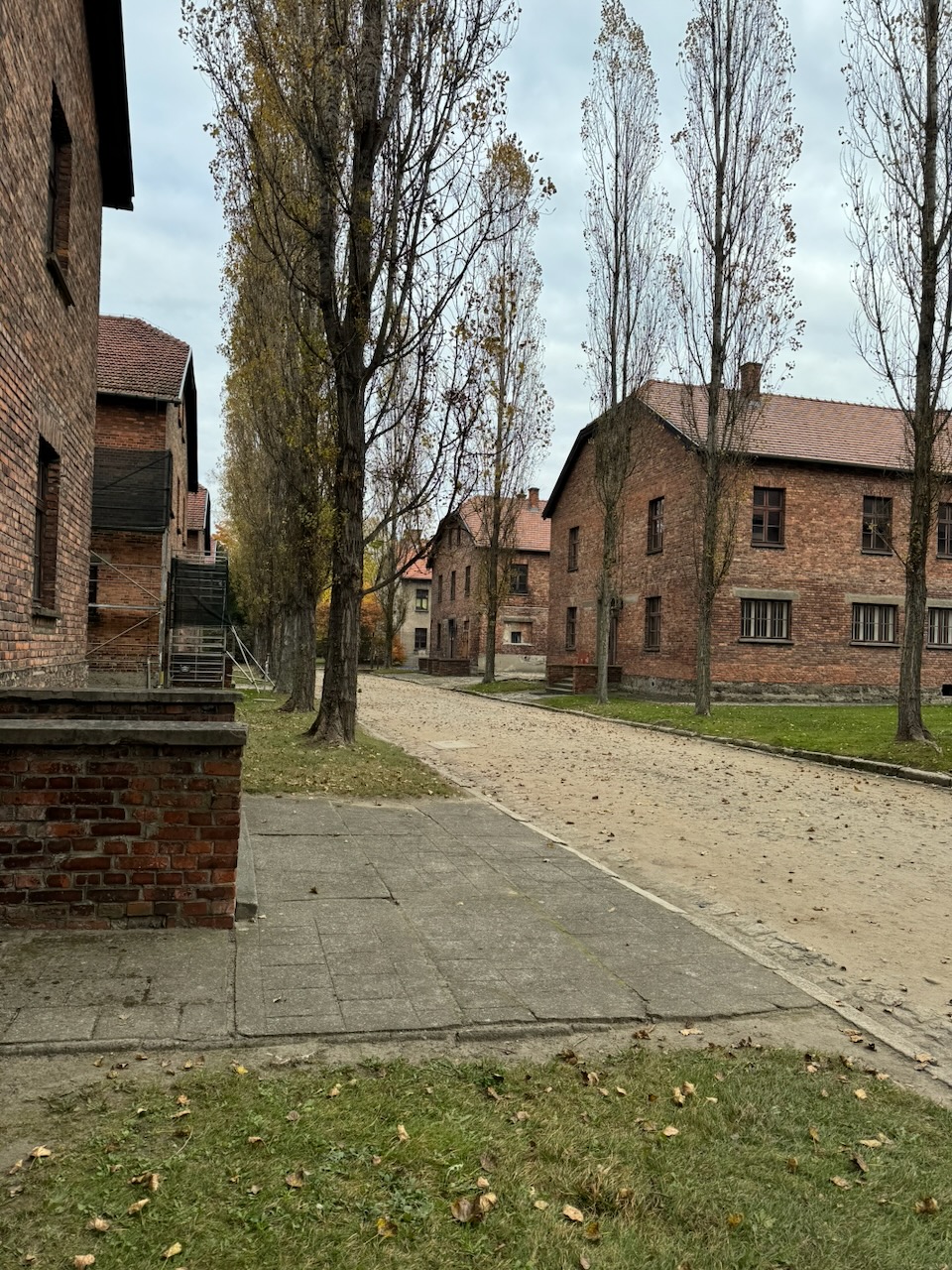
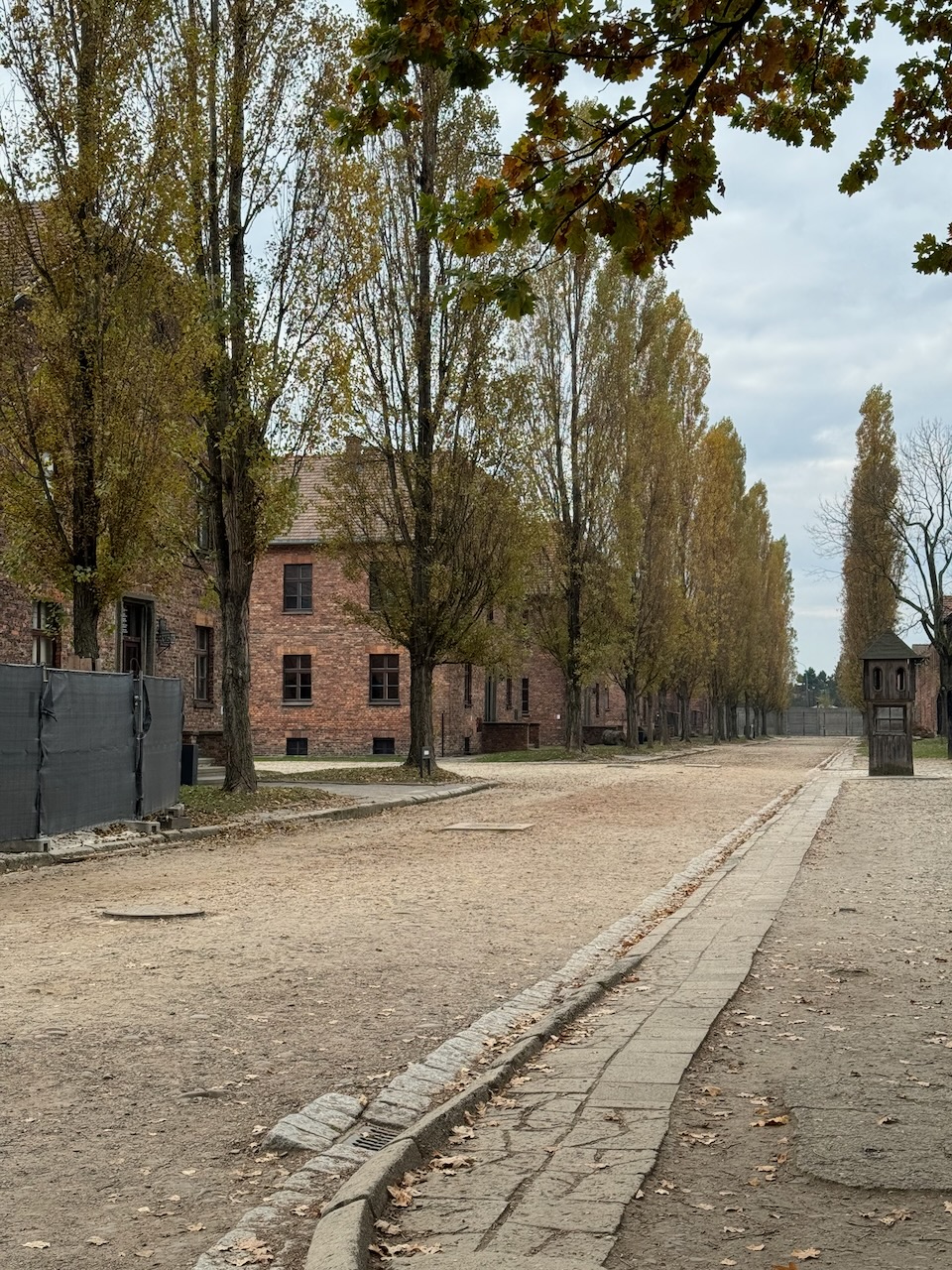
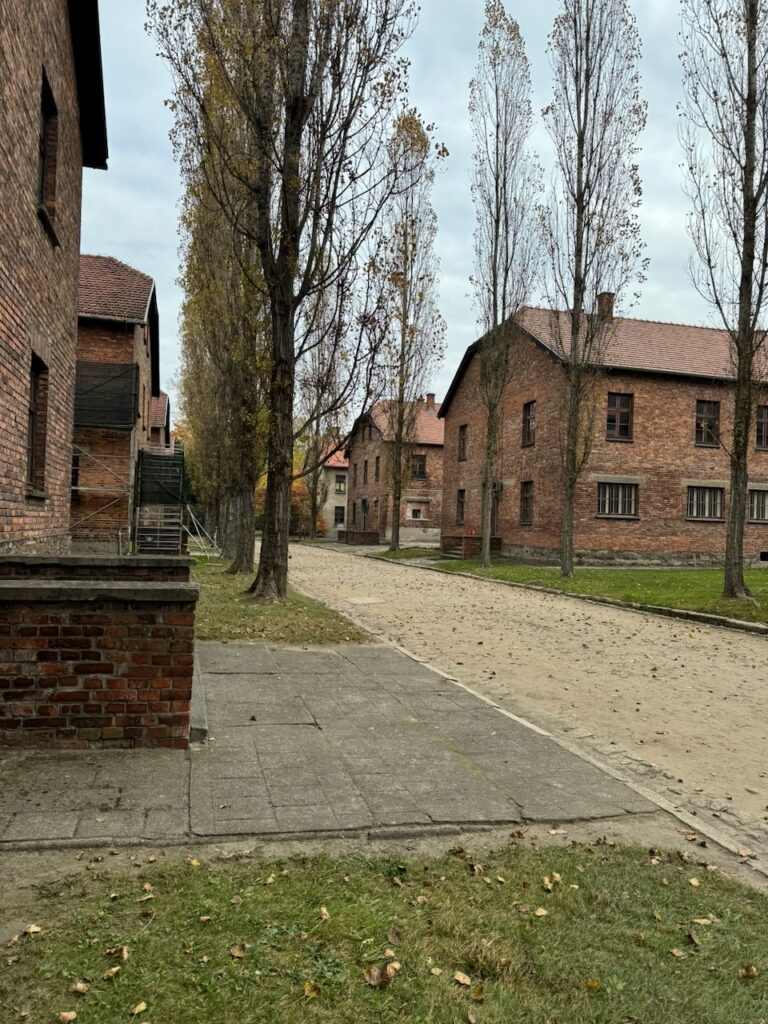
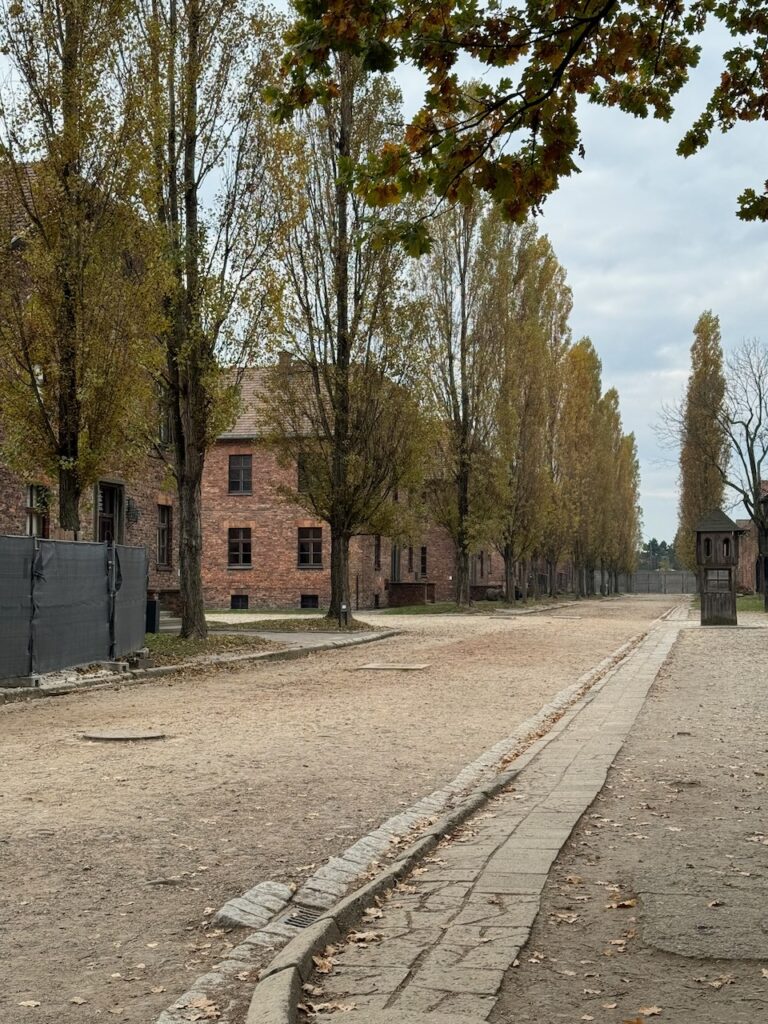
The guided tour begins at Auschwitz I, the original camp. Here, you walk through former prison blocks that now house exhibitions, including personal belongings of victims, photographs, and preserved facilities such as the gas chamber and crematorium. The infamous “Arbeit Macht Frei” gate marks the entrance, a chilling symbol of the cruelty that unfolded within.
After completing the Auschwitz I portion, there is a short break before continuing to Birkenau (Auschwitz II). During this time, visitors must take a shuttle bus to the second site. The buses run frequently, but it’s important to board the correct one in time to rejoin your group. If you miss it, the group will proceed without you, and you may lose the guided portion of the Birkenau visit.
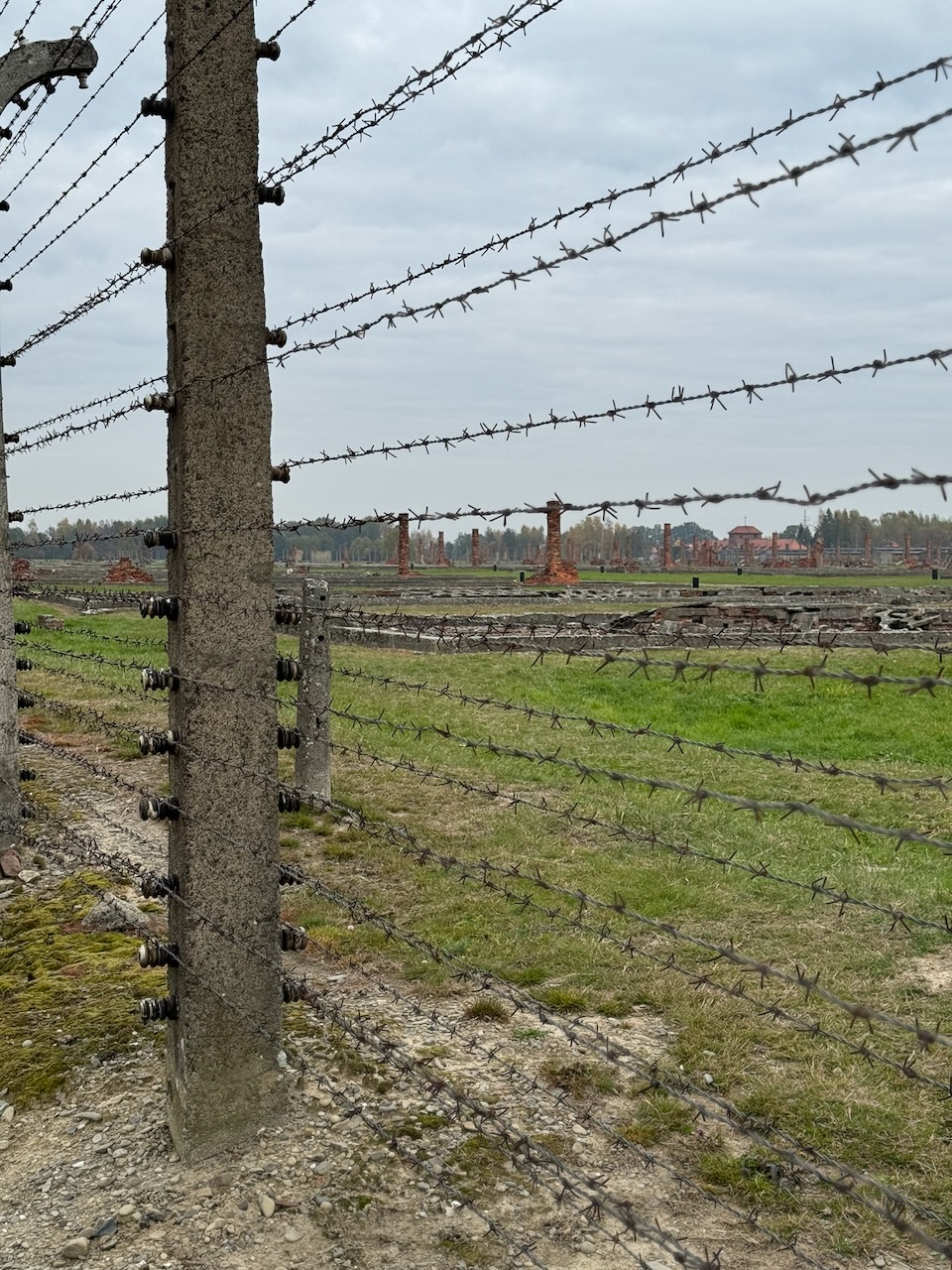
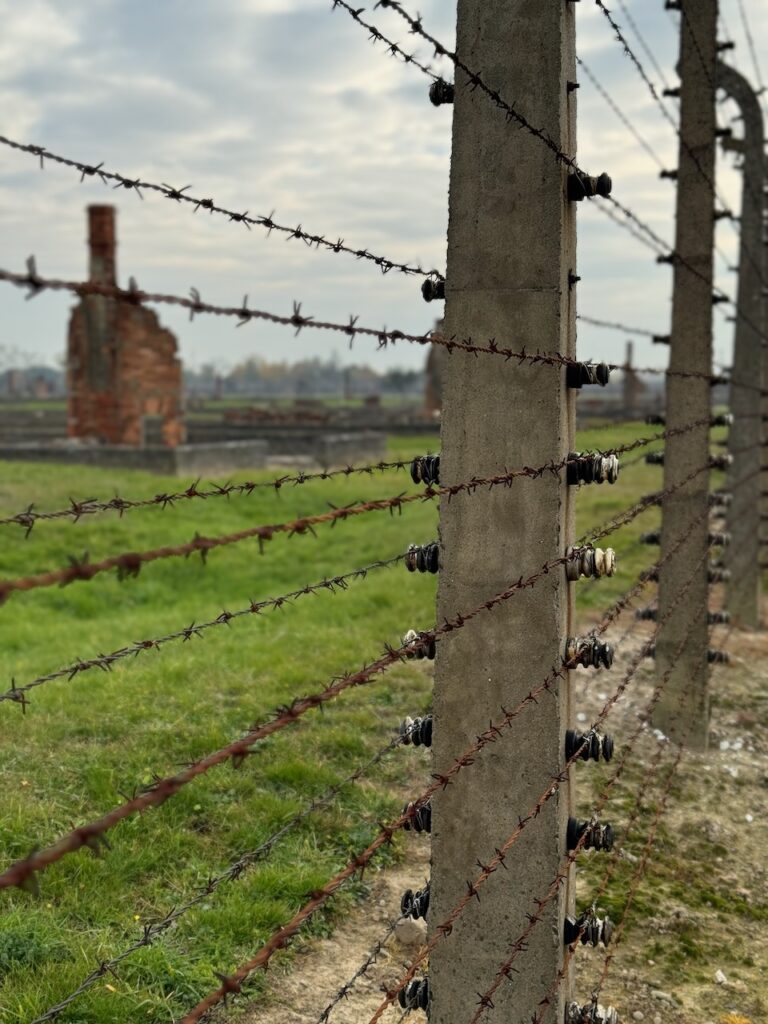
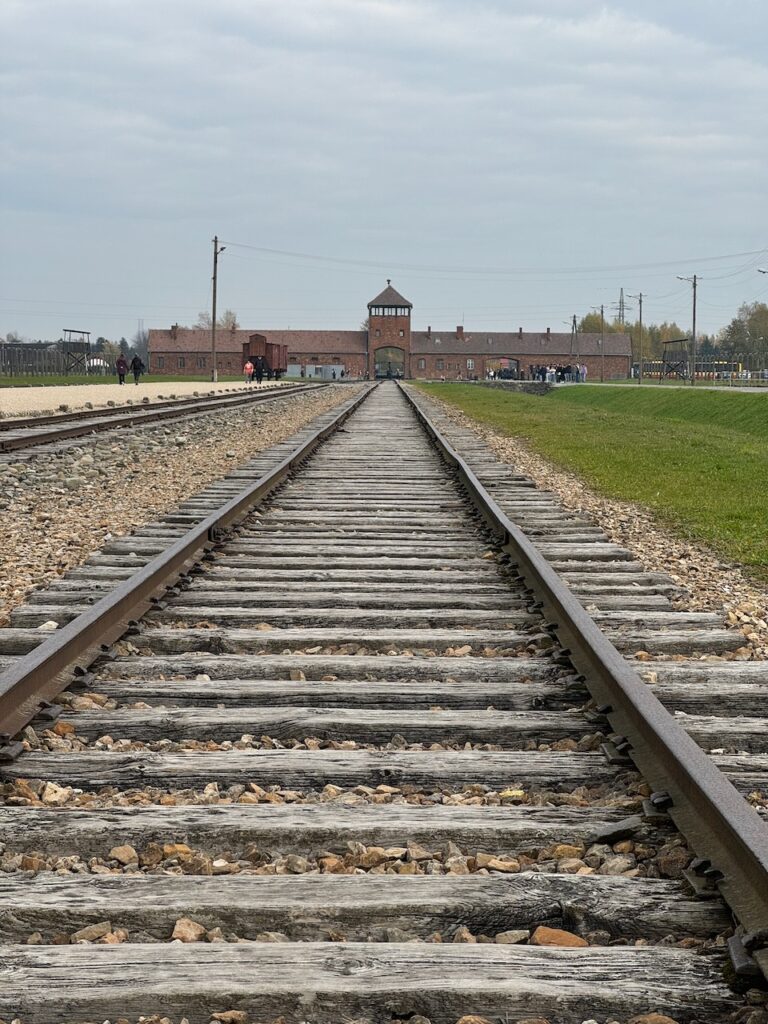
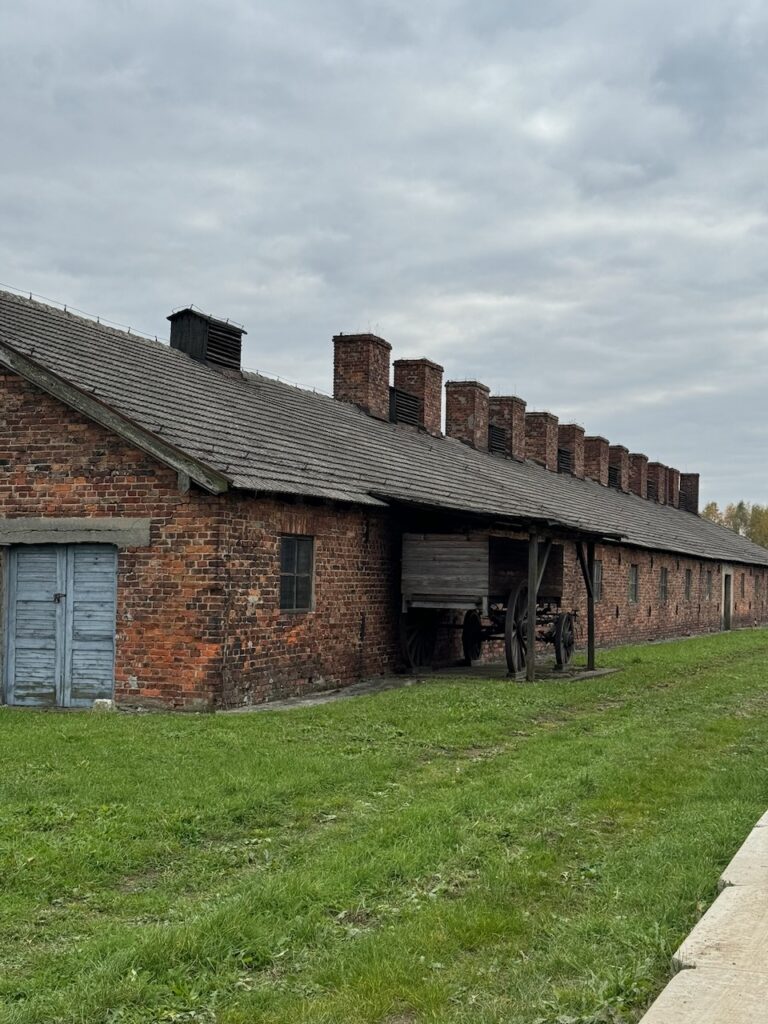
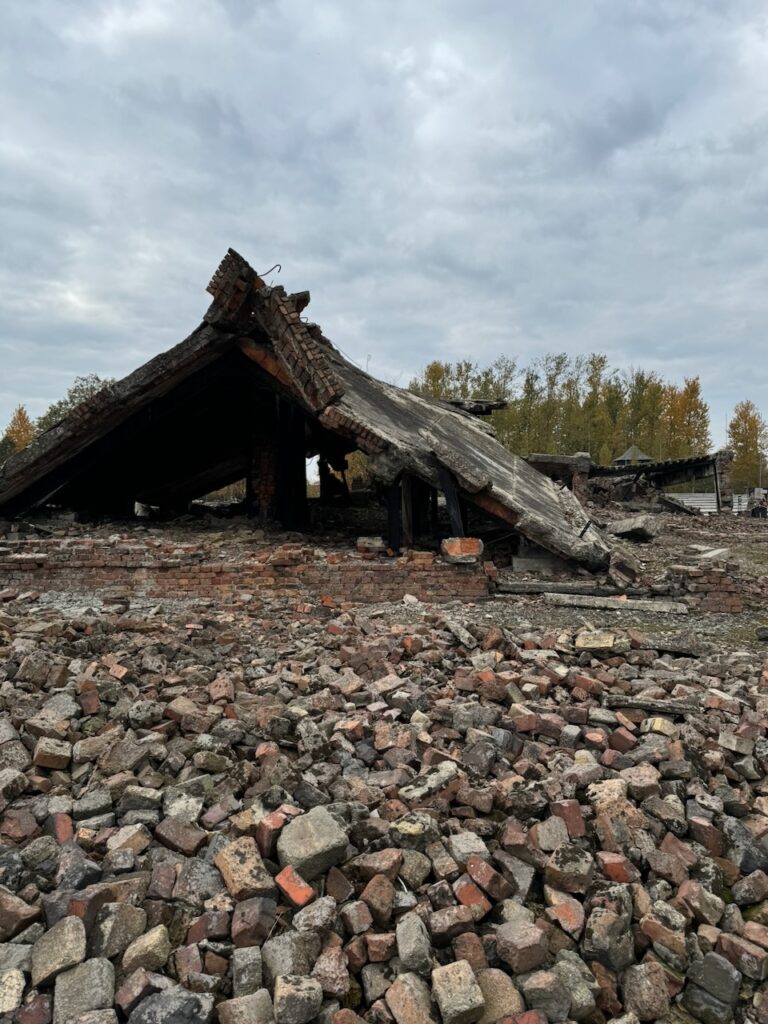
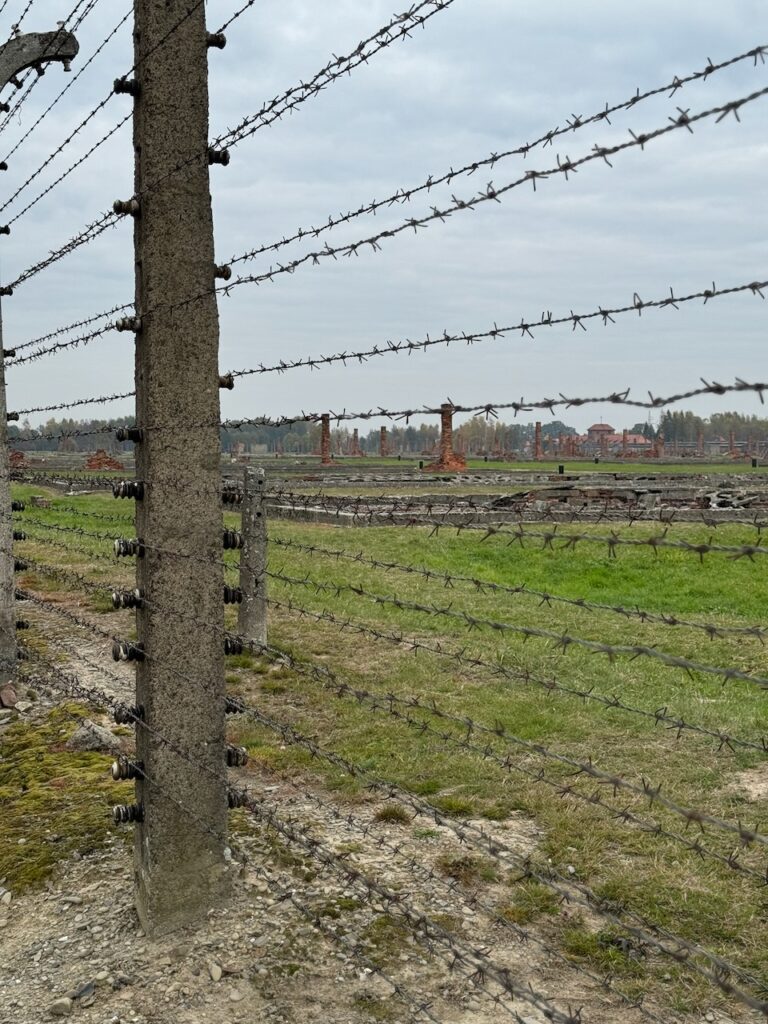
Birkenau is vast and haunting. You walk along the railway tracks that brought hundreds of thousands to their deaths. The ruins of gas chambers and crematoria, the wooden barracks, and the memorial at the far end of the camp speak in silence. After the guided tour concludes, visitors are free to stay longer and explore Birkenau independently. It’s a large area, and many choose to walk quietly, absorbing the gravity of the place. In contrast, Auschwitz I does not allow extended independent visits — once the guided portion ends, you must exit.
Final Thoughts
Auschwitz-Birkenau is not a tourist destination. It is a place of mourning, remembrance, and education. Visiting requires preparation, patience, and emotional readiness. Book early, choose your tour language carefully, and arrive with time to spare. Most importantly, come with an open heart and a quiet mind.
Where to eat in Krakow?
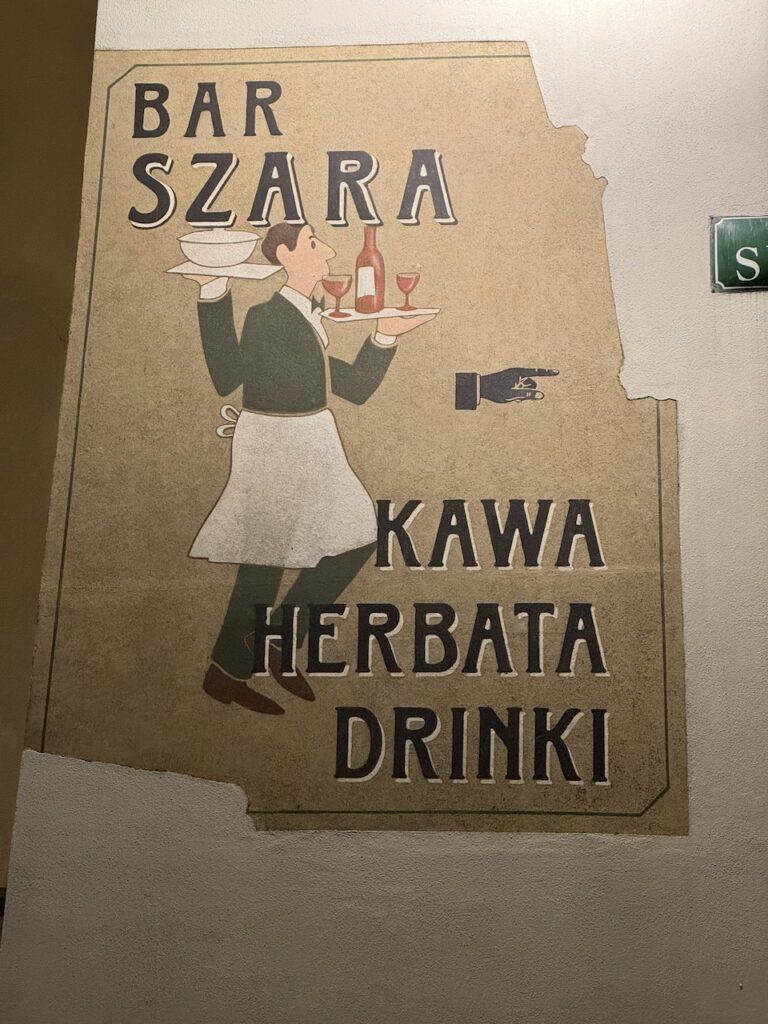
Kraków has a perfect selection of restaurants — modern, traditional, and even Michelin-rated, with 21 spots recognized by the Michelin Guide. Make sure to be prepared, as dining out is a popular activity for locals, especially on weekends and holidays.
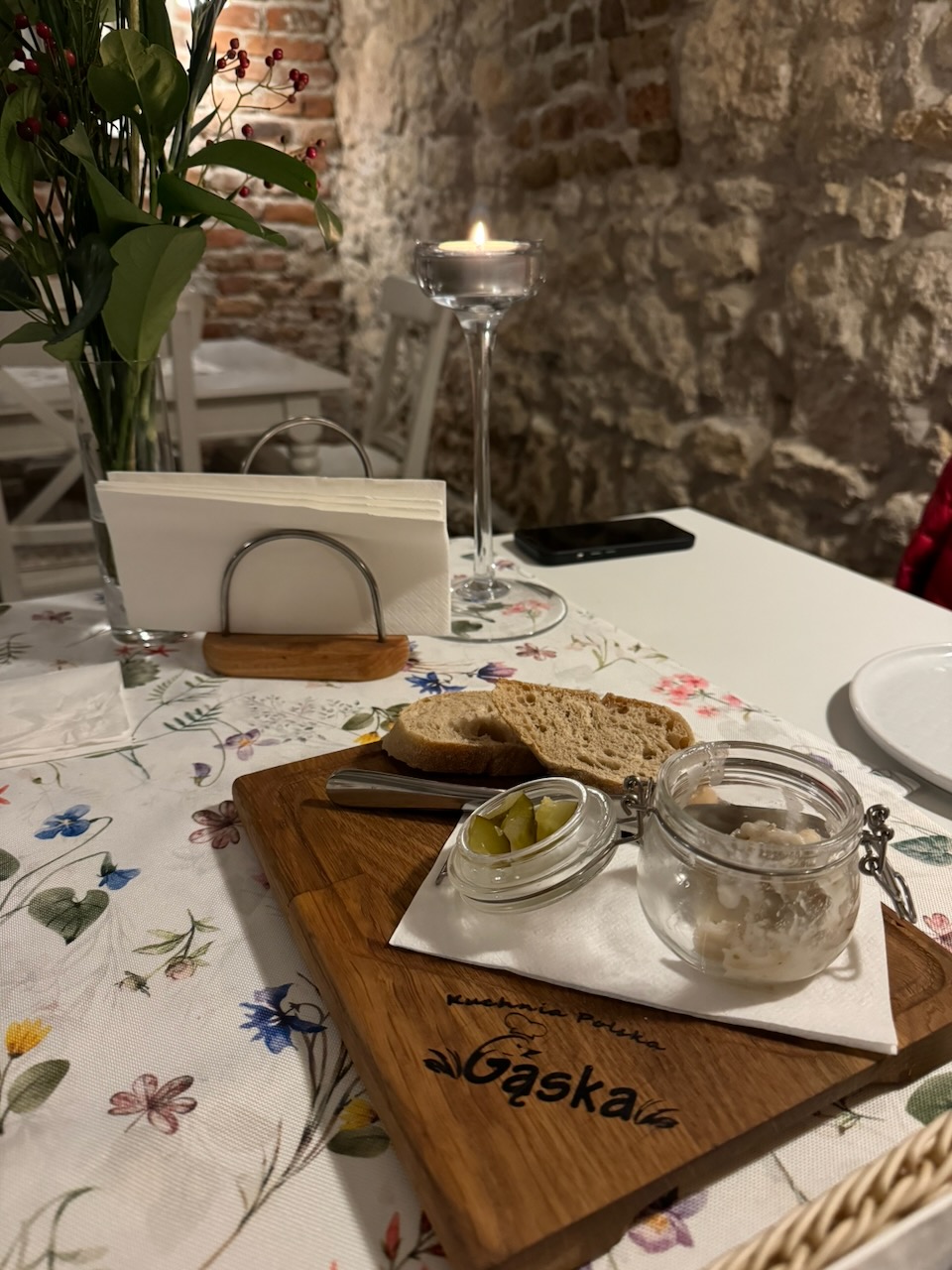
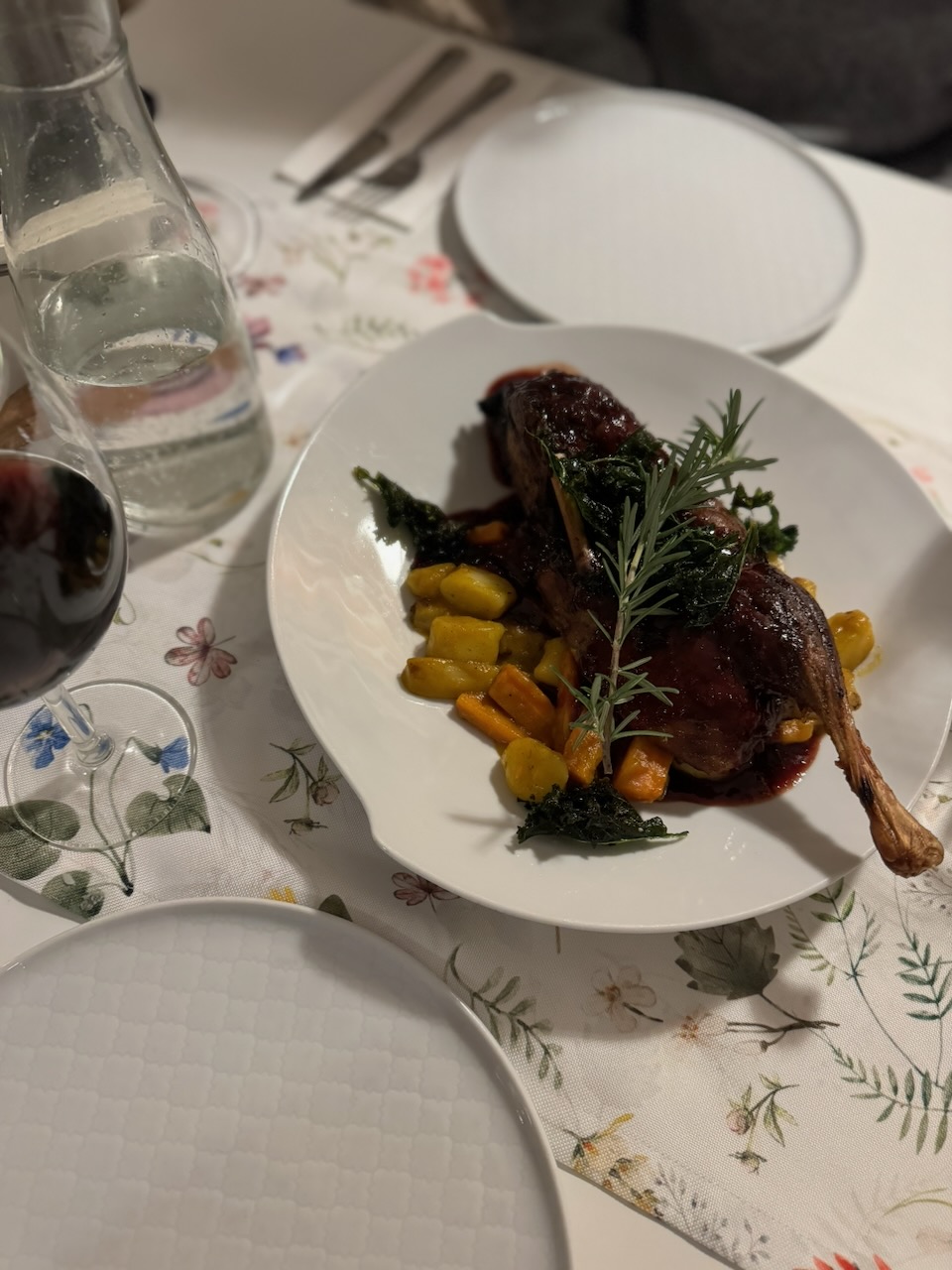
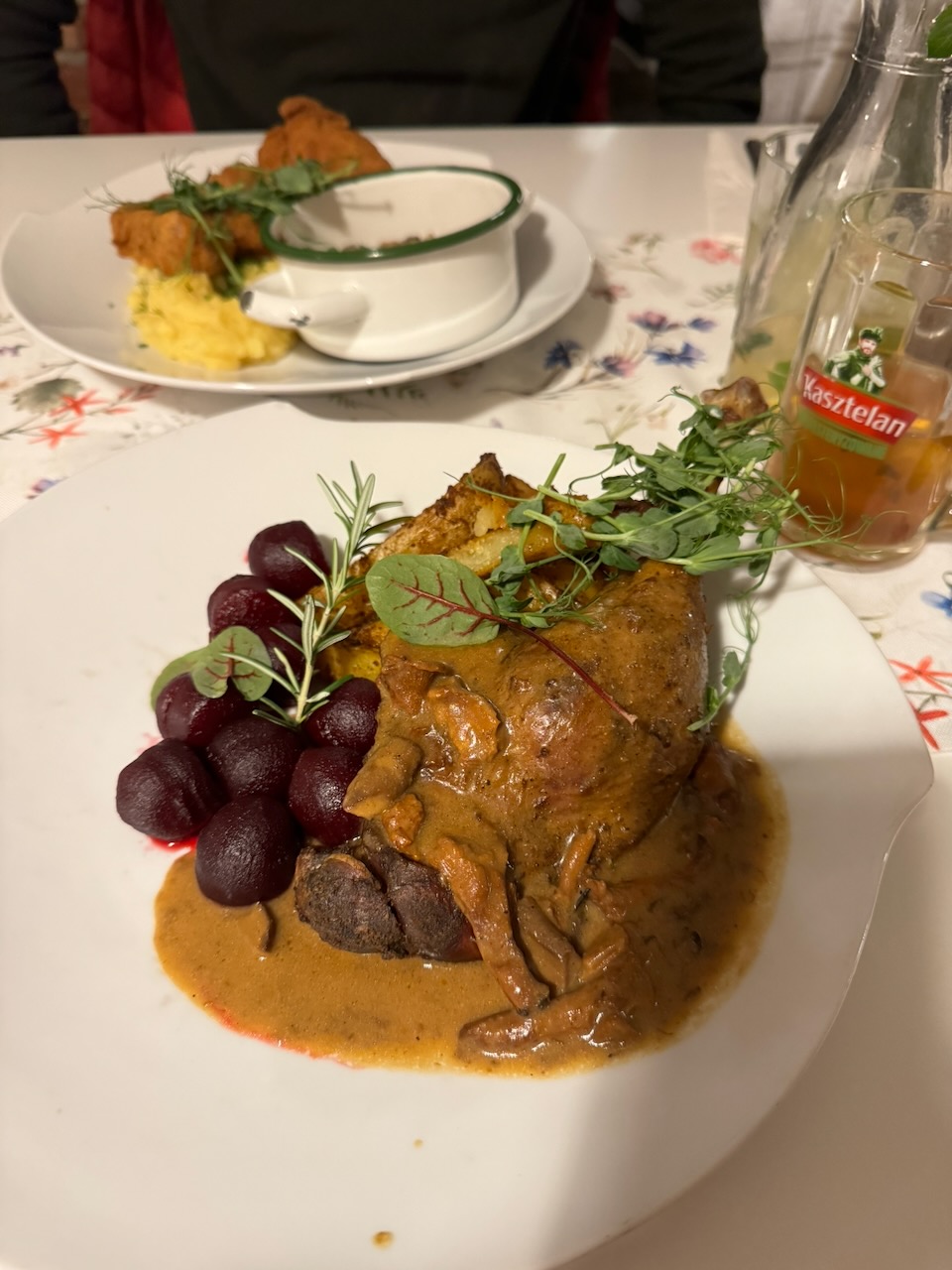
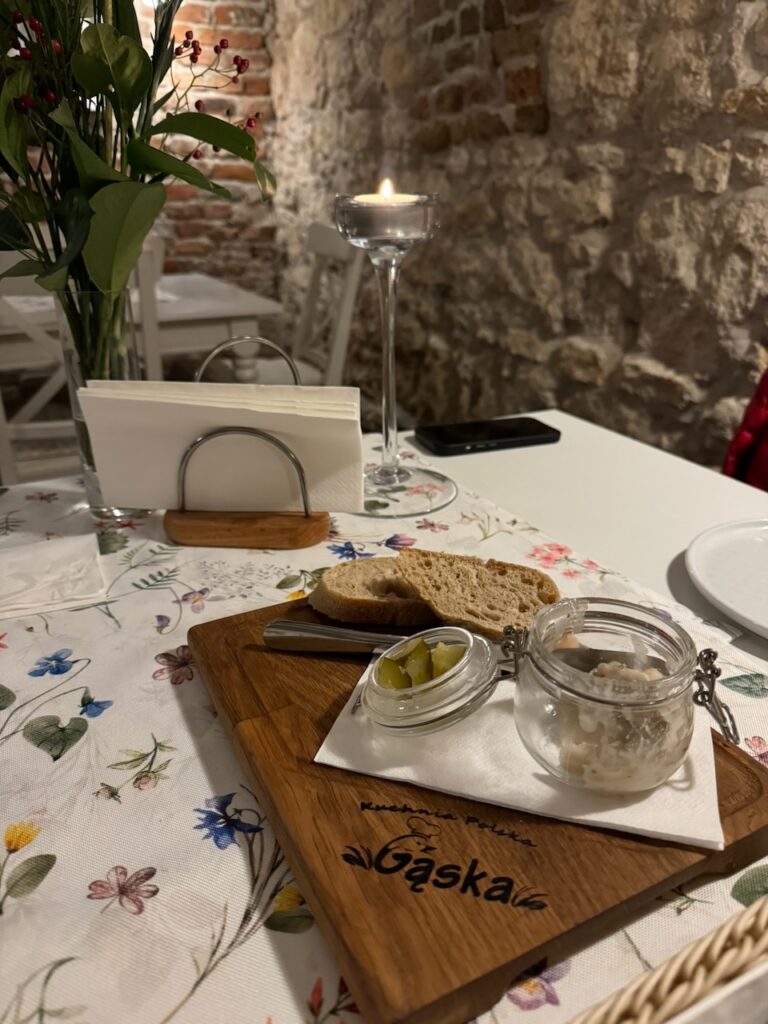
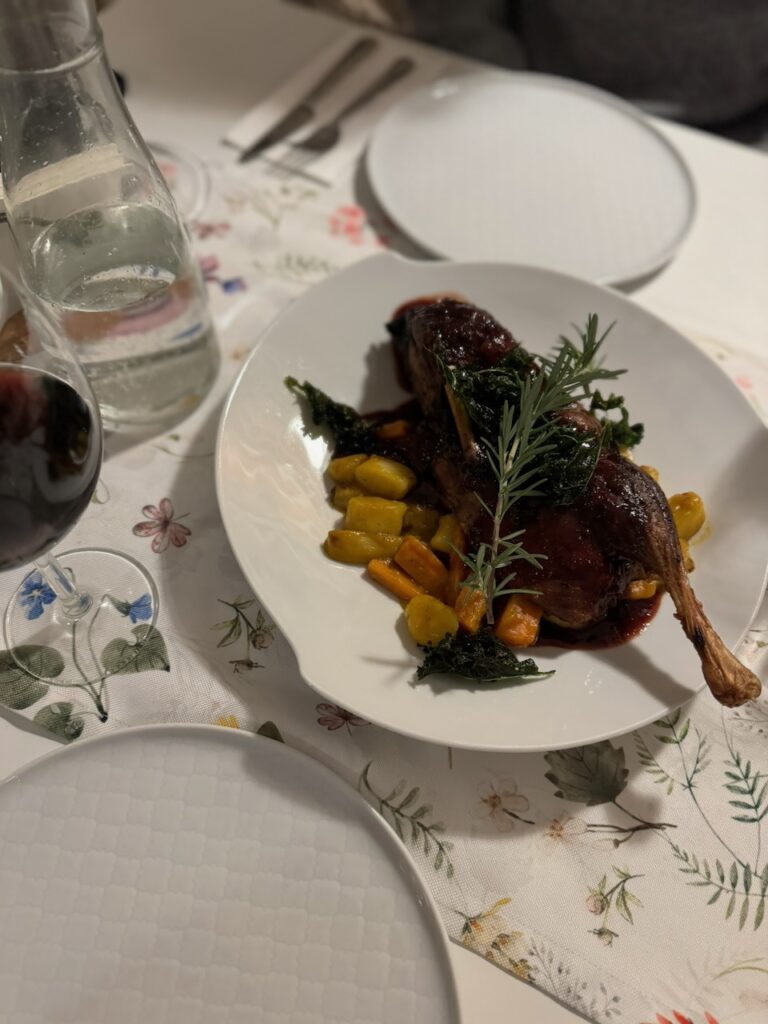
We visited Gaska Restaurant twice while in Kraków. The first time, we really enjoyed their delicious goose dishes. On the second visit, we learned the hard way that it’s the best to book restaurants in advance, especially on weekends. We found some great places we wanted to try, but couldn’t get in, which was disappointing.
Luckily, Gaska was able to fit us in when we called last minute. Since it’s a bit outside the busy city center, it’s easier to get a table there. The cozy atmosphere and friendly staff made both visits really special.
Other restaurants we considered include Czarna Kaczka (Black Duck), Pierwszy Stopien, Restauracja Four, and Miod Malina.
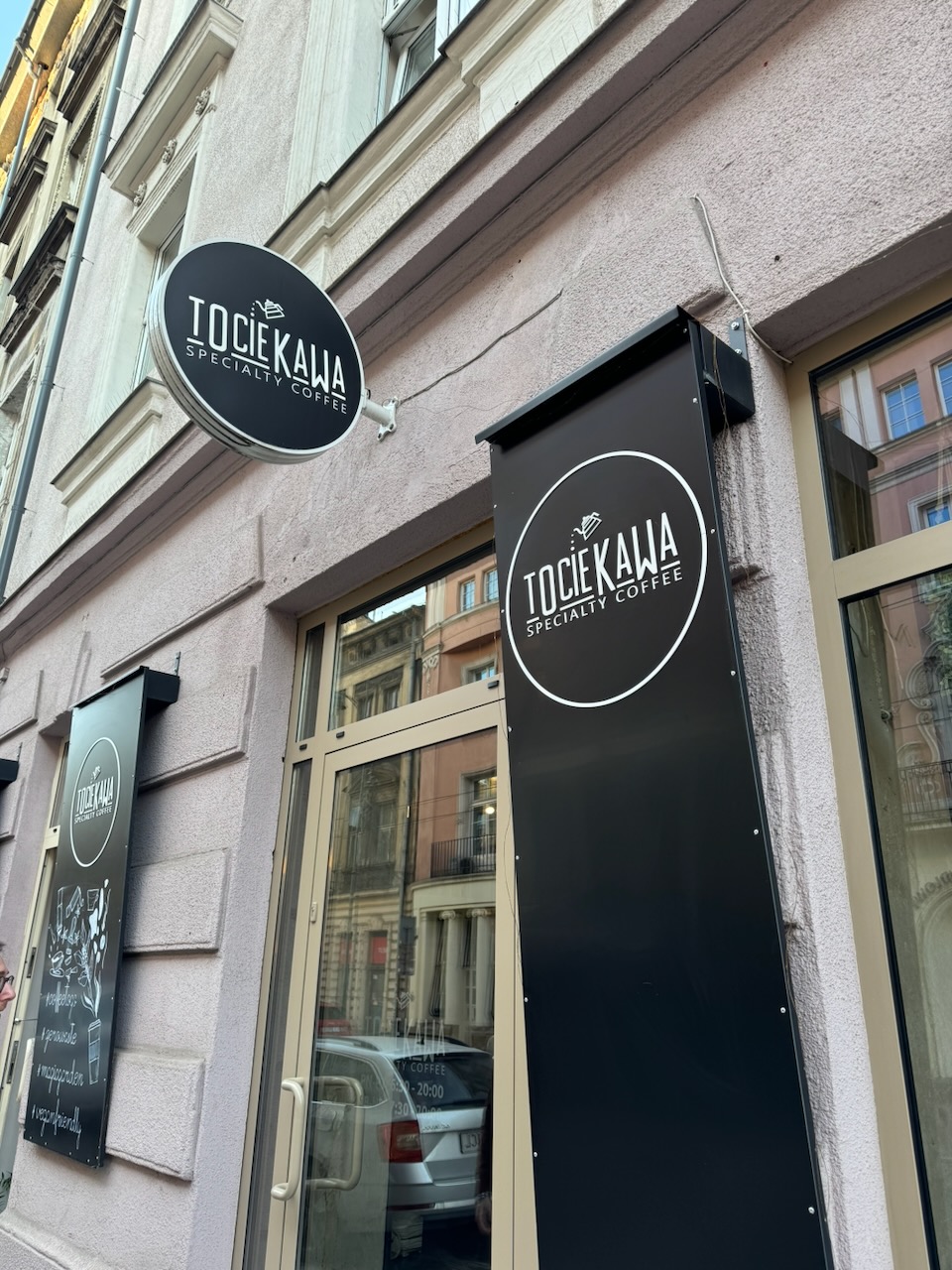
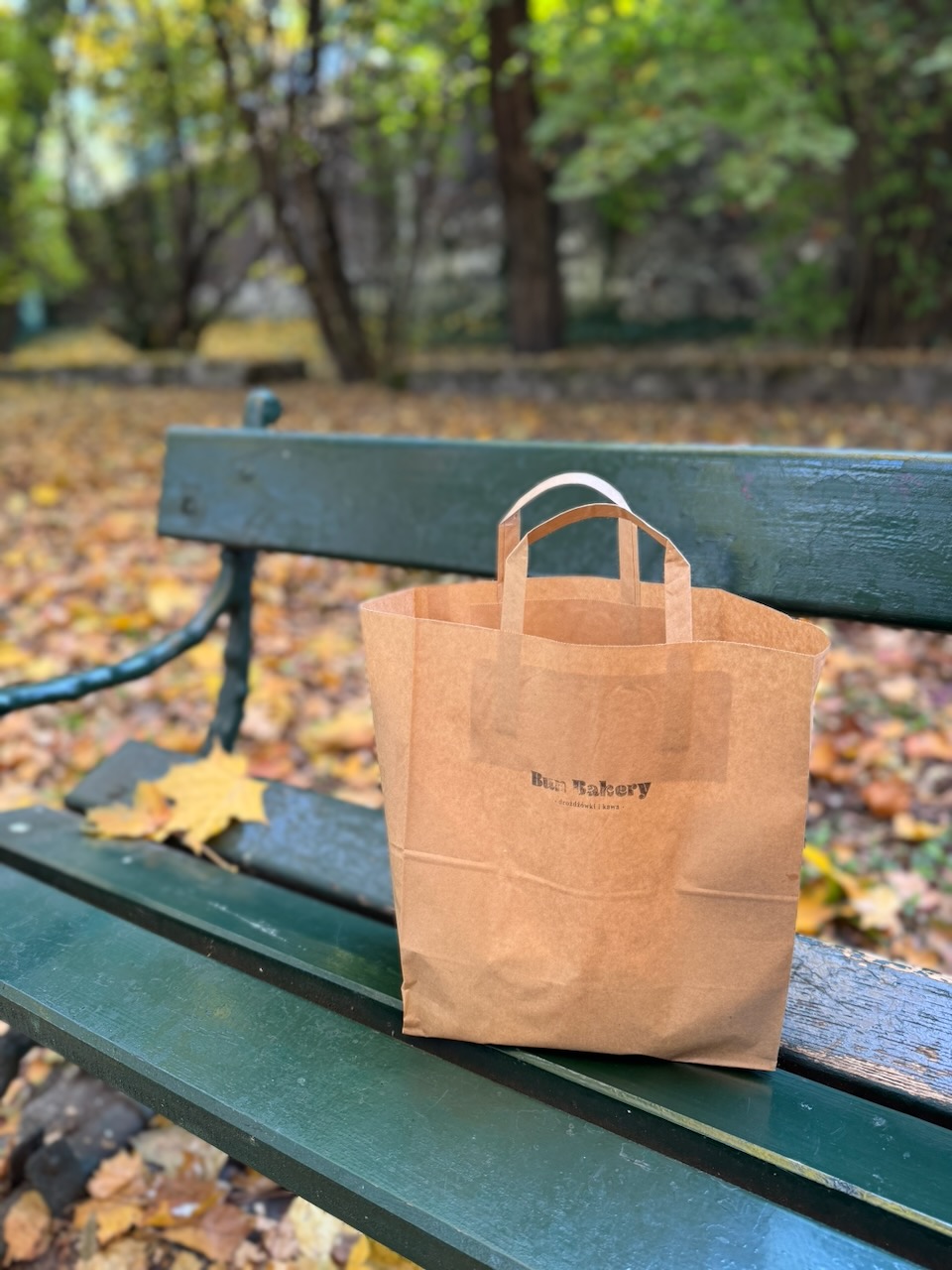
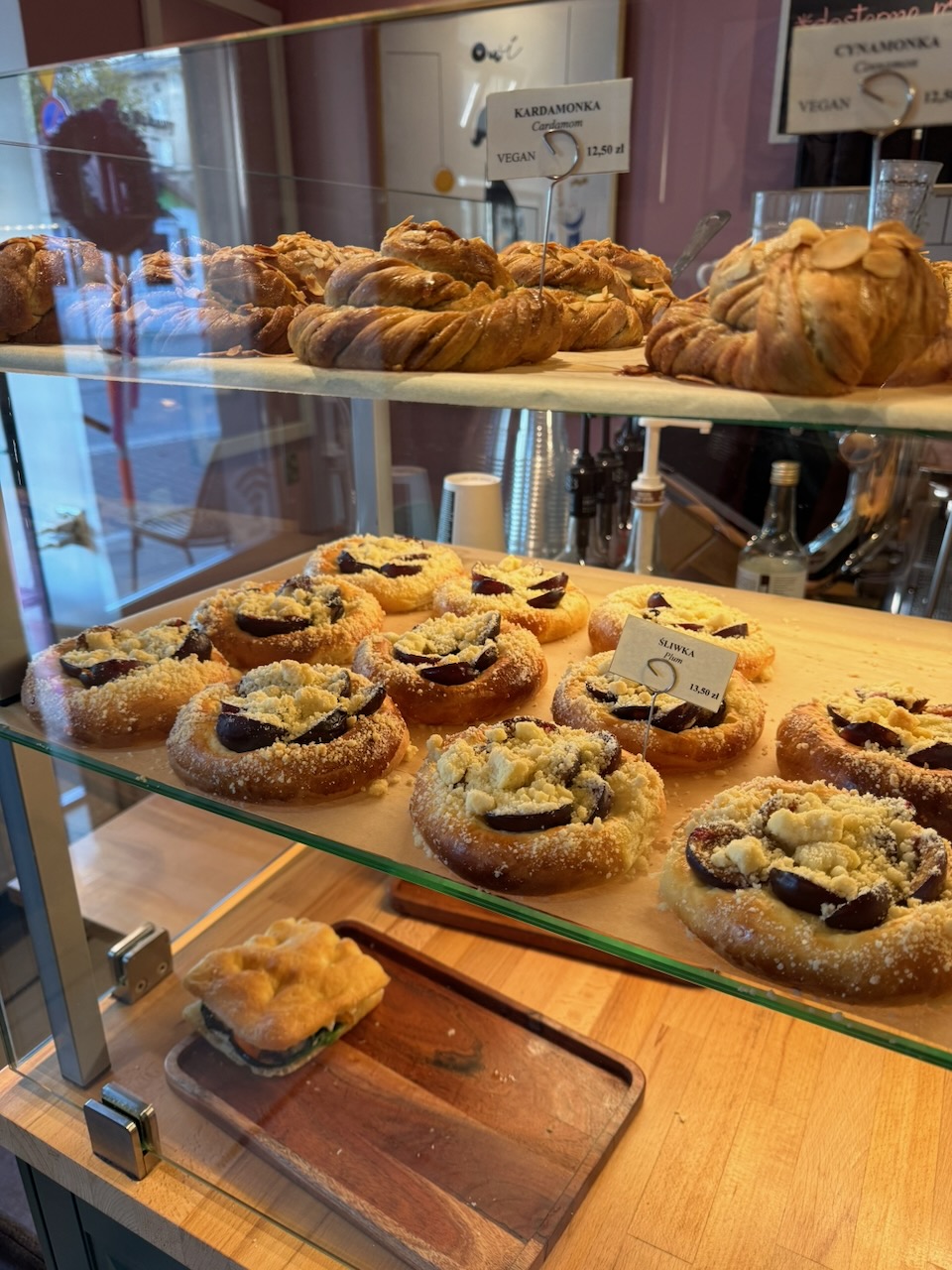
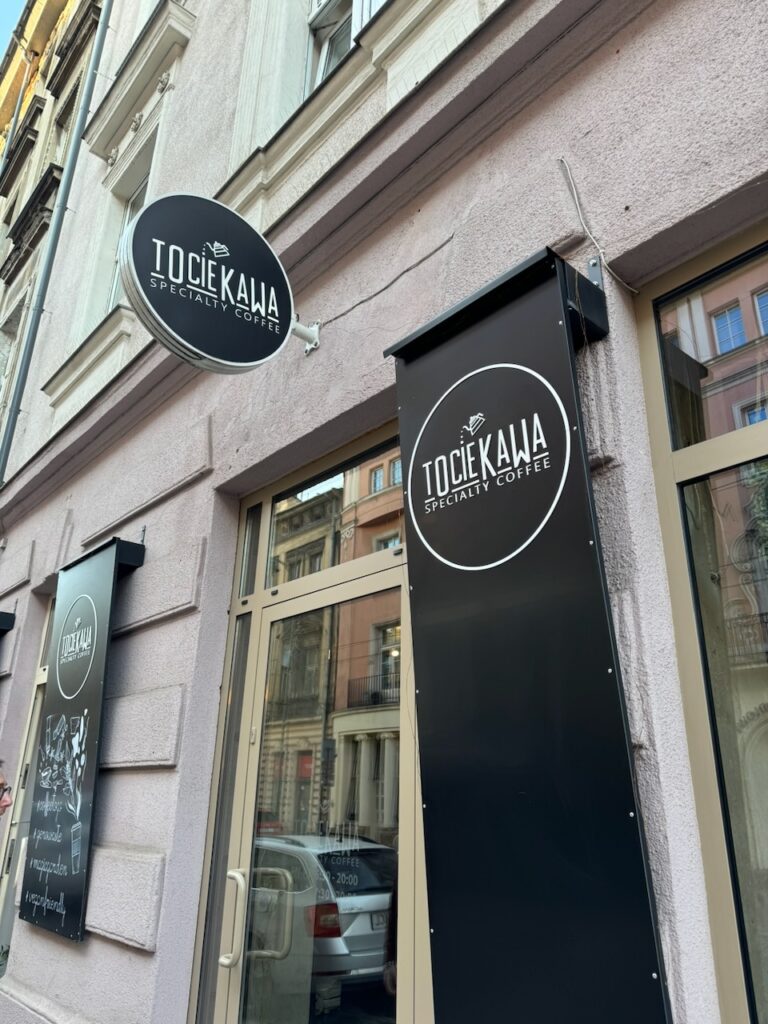
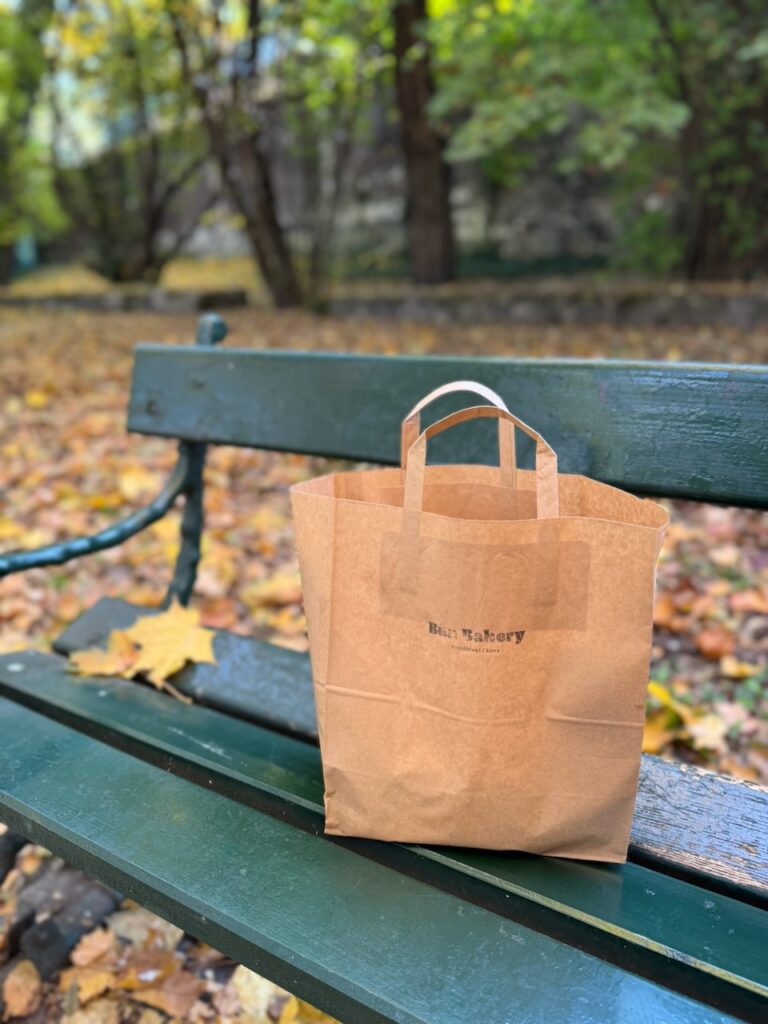
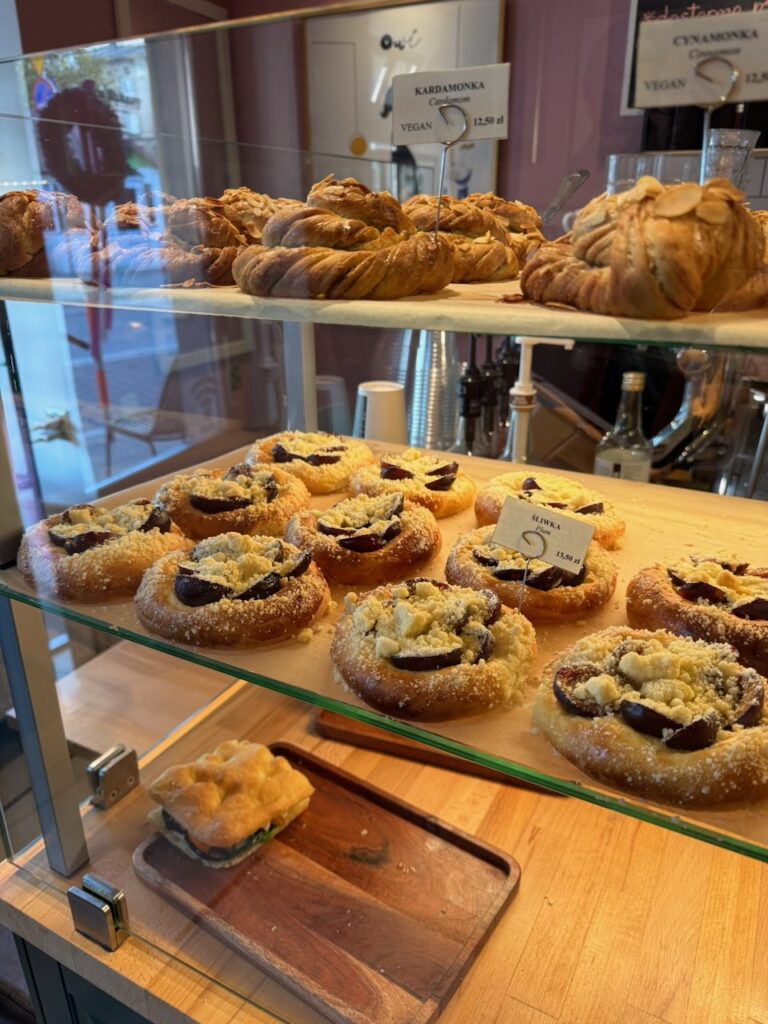
When it comes to bakeries and cafes, Kraków is full of unique spots. We loved hanging out at cafes and soaking in the local vibes. The highlights were Bun Bakery and Tociekawa — a specialty coffee cafe.
In the Kazimierz Jewish Quarter, there are plenty of cafes and bars, with one of the most famous being HEVRE, which was formerly a synagogue transformed into a trendy cafe/bar. I definitely recommend visiting to check out the super cool interior. If you can’t get in, don’t be too disappointed; you’ll easily find many other cafes and bars in the area.
Conclusion: An Underrated Jewel
Poland is truly one of Europe’s most underrated countries, offering a harmonious blend of history, culture, cuisine, and nature. Each city you visit has its own unique charm and attractions, making it an ideal destination for travelers seeking variety.
The warmth of the Polish people, the richness of their traditions, and the delightful flavors of their cuisine will leave you in awe. Whether you’re a history buff, a nature enthusiast, or a foodie, Poland has something to offer everyone.
This itinerary can be perfectly tailored to fit into a week, especially if you choose to skip Zakopane. However, if you have a bit more time, the beauty of the Tatra Mountains is an experience you won’t want to miss.
Poland awaits you, ready to enchant you with its stories, flavors, and breathtaking landscapes.